







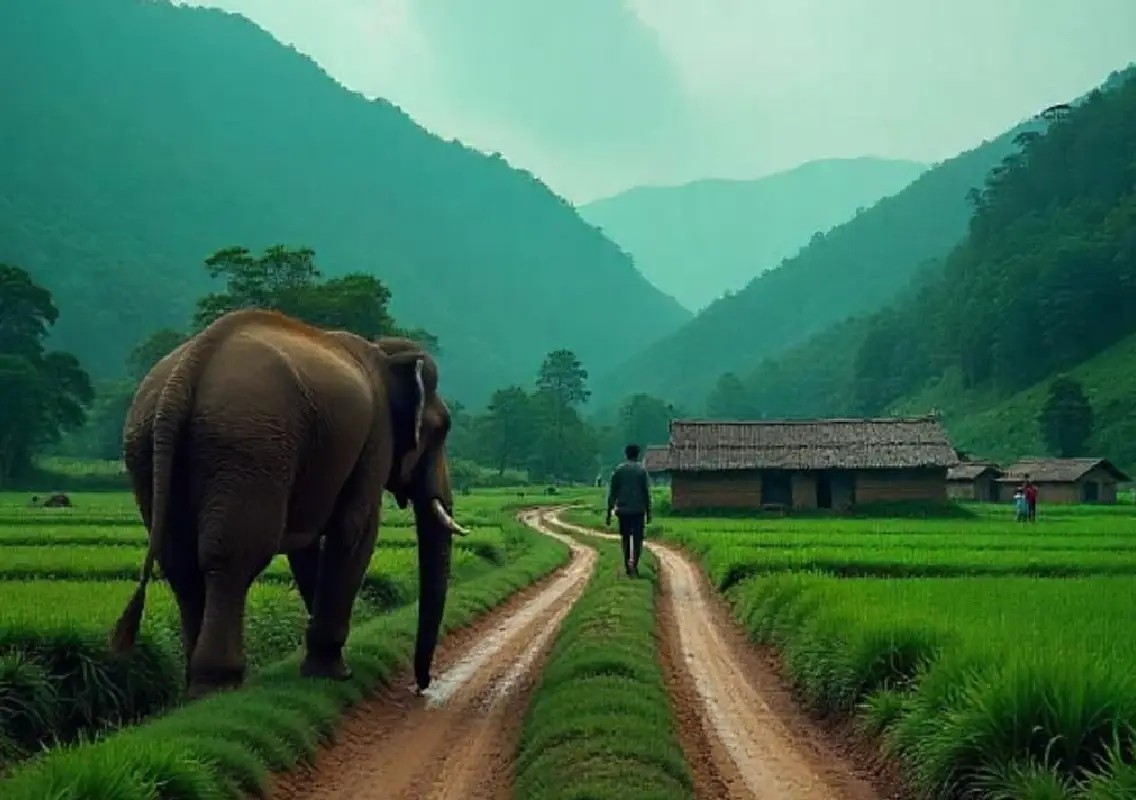


Karnataka is witnessing a growing human–animal conflict crisis as increasing encounters between wildlife and people continue to threaten lives, livelihoods and ecological balance across several districts.
From elephants entering villages to leopard sightings near residential areas, the frequency of wildlife encounters has intensified concerns among rural communities, farmers and forest officials.
Wildlife entering human spaces more often
Experts say shrinking forest habitats, rapid urban expansion and changing land-use patterns are forcing animals to move closer to human settlements in search of food and water.
Districts bordering forest regions have reported repeated incidents involving elephants, leopards, wild boars and other animals damaging crops, attacking livestock and occasionally injuring people.
Farmers say the fear of sudden wildlife encounters has become a daily reality in many villages.
Crop loss and fear affecting rural life
Agricultural communities are among the worst affected, with repeated crop destruction causing financial stress and emotional anxiety.
Residents in vulnerable areas often spend nights guarding farms and homes to prevent animal intrusions, especially during harvest seasons.
Experts note that prolonged fear and uncertainty can deeply affect rural wellbeing and economic stability.
Conservation and safety challenges
Forest officials face the difficult task of protecting wildlife while ensuring human safety. Conservationists warn that aggressive or poorly planned responses could further harm already vulnerable animal populations.
Environmental experts say sustainable solutions require better habitat protection, wildlife corridors and scientific management strategies.
They also stress the importance of community participation and awareness in reducing conflict situations.
Climate and habitat pressures increasing
Changing rainfall patterns, water scarcity and deforestation are believed to be contributing to the movement of wildlife beyond traditional forest zones.
Experts warn that climate-related stress on ecosystems may increase the frequency of human-animal interactions in coming years unless stronger conservation measures are implemented.
Karnataka’s rich biodiversity remains globally important, but balancing development and ecological protection continues to be a major challenge.
Need for long-term solutions
Wildlife experts believe the crisis cannot be solved through short-term relocation drives alone. They recommend improved compensation systems, early-warning technology, rapid-response teams and habitat restoration efforts.
The growing conflict has highlighted the urgent need for policies that protect both human communities and wildlife while ensuring coexistence in environmentally sensitive regions.