









Bengaluru: Even as civic authorities attempted to resume work at the demolition site in Kogilu Layout on Friday, the issue escalated politically with Kerala Chief Minister Pinarayi Vijayan strongly condemning the action and terming it an example of the growing “bulldozer raj” in the country.
The controversy centres around the demolition of more than 150 houses in Faqir Colony and parts of Waseem Layout, located in Kogilu Layout of north Bengaluru, which took place on December 20. The operation, carried out by government agencies, left nearly 500 residents homeless, most of them belonging to economically weaker sections. Since then, the displaced families have been living in makeshift conditions near the razed site, without any formal shelter arrangements.
Attempt to build compound wall halted
On Friday morning, officials from Bengaluru Solid Waste Management Limited (BSWML), accompanied by police personnel, arrived at the site to begin work on erecting a compound wall around the demolished area. According to sources, trenches were being dug to facilitate the construction.
However, the move was met with strong resistance from the affected families. Residents, many of them women, formed a human chain and refused to allow the authorities to proceed. Faced with sustained protest, officials were forced to withdraw without carrying out the work.
An activist present at the site told The Hindu that the residents were determined not to allow any further action until they were provided proper rehabilitation. “The women stood in front of the machines and made it clear that no more work would be allowed unless the government took responsibility for their shelter and livelihood,” the activist said.
Kerala CM condemns demolitions
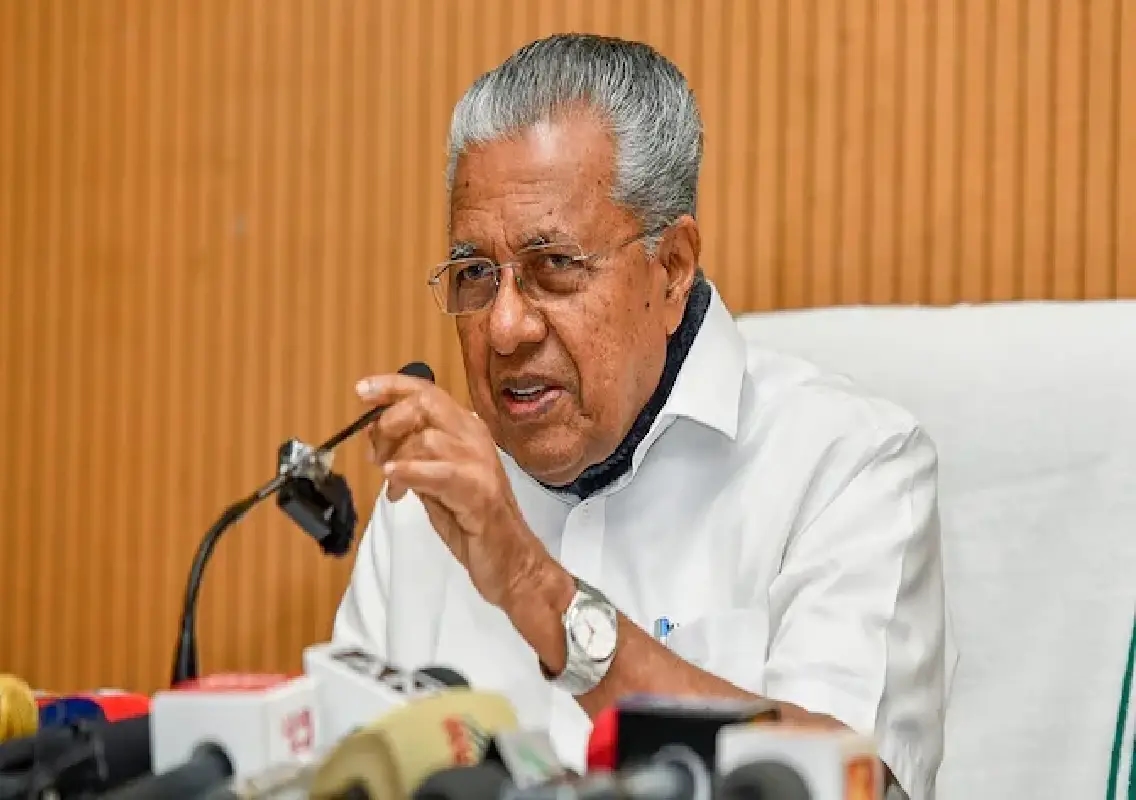
Reacting to the developments, Kerala Chief Minister Pinarayi Vijayan took to social media platform X to criticise the demolitions in strong terms. He said the bulldozing of Faqir Colony and Waseem Layout had uprooted Muslim families who had lived in the area for years and exposed what he described as the “brutal normalisation of bulldozer raj.”
“Sadly, the Sangh Parivar’s anti-minority politics is now being executed under a Congress government in Karnataka,” Mr. Vijayan wrote. He further stated that when governments rule through fear and brute force, constitutional values and human dignity are the first casualties.
Calling for broader resistance, the Kerala Chief Minister urged all secular and democratic forces to unite against what he termed an “insidious trend”.
Disputed claims over rehabilitation
Officials from BSWML did not respond to requests for clarification regarding the compound wall construction or rehabilitation measures. However, a senior source in the Greater Bengaluru Authority (GBA) claimed that civic authorities had offered three temporary locations to the displaced families for shelter, which were allegedly declined.
This claim was strongly contested by activists and residents supporting the families. They insisted that no concrete rehabilitation plan or written assurance had been provided by the authorities. “There has been no formal offer, no visit from officials explaining where people are expected to go. These are just verbal claims being made after public outrage,” an activist said.
Residents said many families included elderly people, women, and children, making relocation without basic facilities extremely difficult. With schools closed for the holidays and livelihoods disrupted, the lack of clarity has added to their distress.
Background of the demolition
According to BSWML officials, the land where the houses stood was once used as a landfill, and the structures were allegedly illegal encroachments. However, residents maintain that they had been living there for several years, some claiming to possess documents such as electricity connections and voter ID cards linked to the address.
The demolition, carried out with heavy machinery, sparked immediate protests and criticism from civil rights groups, who accused the authorities of acting without due process or adequate notice. Legal activists have also questioned whether proper rehabilitation norms under urban housing policies were followed.
Political and social ramifications
The intervention by the Kerala Chief Minister has added a new political dimension to the issue, intensifying scrutiny on the Karnataka government’s handling of urban evictions. Opposition parties and minority organisations have seized upon the remarks to demand accountability and immediate relief for the displaced families.
Urban policy experts warn that such demolitions, if carried out without transparent processes and rehabilitation frameworks, risk deepening social unrest. “Urban development cannot come at the cost of human displacement without safeguards. The state must balance legality with compassion,” said a Bengaluru-based urban planner.
Conclusion
As of Friday evening, the compound wall construction remains stalled, and the displaced families continue to camp near the demolished site. With no official statement forthcoming from BSWML and conflicting claims over rehabilitation, the situation remains tense.
The episode has reignited debate over demolition drives, minority rights, and urban governance in Bengaluru, with calls growing louder for a humane, lawful, and transparent resolution that prioritises the dignity and rights of the affected families.