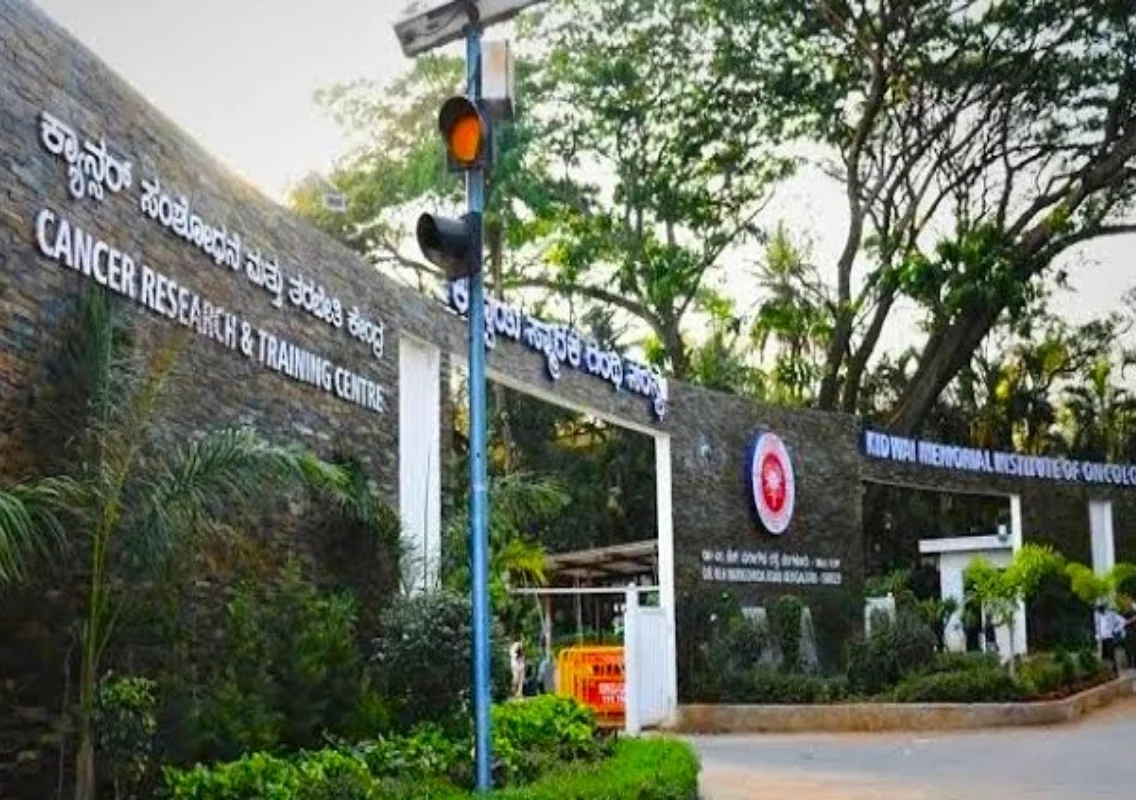


Bengaluru: In a significant stride towards sustainable public healthcare, Kidwai Memorial Institute of Oncology (KMIO) has achieved ISO 14001:2015 Environmental Management System (EMS) Certification for its Solid Waste Management (SWM) Facility, reinforcing its commitment to environmental stewardship alongside cancer care.
A sustainable vision rooted in public healthcare
The initiative took shape in March 2020, when KMIO reimagined waste management within a large tertiary cancer hospital. Recognising the environmental footprint of healthcare institutions, KMIO established a modern SWM facility under a 10-year Build–Own–Operate–Transfer (BOOT) model, ensuring transparency, fiscal prudence, and strict adherence to environmental norms.
KMIO allocated 4,000 sq ft of land within its campus and mandated compliance with the Solid Waste Management Rules, 2016 and BBMP Bylaws, 2020. The infrastructure was completed by December 31, 2020, followed by successful trial operations in January 2021.
Integrated waste-to-energy and composting systems
At the core of the facility is a 1-tonne-per-day biogas plant, converting food and garden waste into clean energy. The system includes biogas purification and a 10 kVA biogas generator, supplying electricity to the SWM facility and charging electric vehicles within the campus.
Organic residues and biogas slurry are processed through aerobic composting, producing high-quality manure that is periodically tested in government laboratories. Dry waste is handled through a 500 sq ft segregation shed, enabling secondary segregation and channelisation to authorised recyclers and NGOs.
Additional green measures include solar-powered lighting, rejuvenation of a defunct borewell, and regular air-quality monitoring to safeguard patients, staff, and visitors.
Capacity building and behavioural change
KMIO placed strong emphasis on the human dimension of sustainability. Repeated awareness programmes were conducted across departments on scientific waste segregation. BBMP line workers trained housekeeping staff in hygiene and segregation practices, embedding sustainability as a shared institutional responsibility.
Measurable environmental impact
Between January 2021 and November 2025, the facility processed:
- 10,89,631 kg of food waste
- 2,80,250 kg of garden waste
- 3,73,848 kg of non-value dry waste
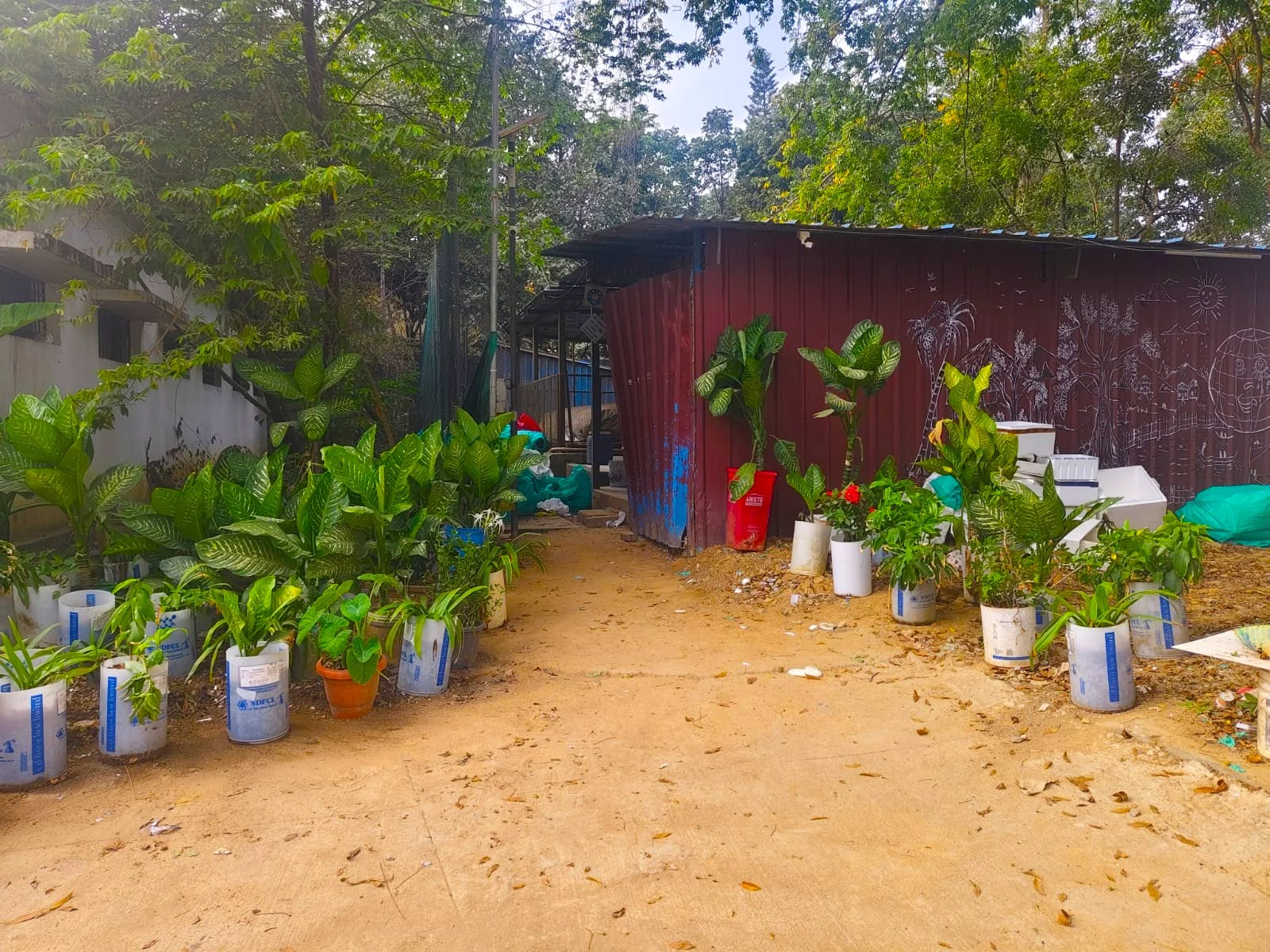
All were diverted from landfills into energy generation, composting, or recycling streams. The compost now nourishes over 8,000 trees and 800 potted plants across the campus, helping KMIO operate with near-zero organic waste to landfill—a rare achievement for a public-sector tertiary hospital.
ISO 14001:2015 recognition and national relevance
In 2025, following an independent audit, KMIO’s SWM Facility was awarded ISO 14001:2015 EMS Certification, formally recognising its sustained environmental compliance and governance maturity. The certification aligns with the institute’s broader Environmental, Social and Governance (ESG) commitments and was further reinforced through contract renewals after the second and fourth years of operation.
A model for sustainable healthcare in India
KMIO leadership described the achievement as a vital step in aligning clinical excellence with ecological responsibility. The ISO-certified SWM facility now stands as a national model, demonstrating how healthcare institutions can transform waste into energy, compost, and long-term environmental value.