







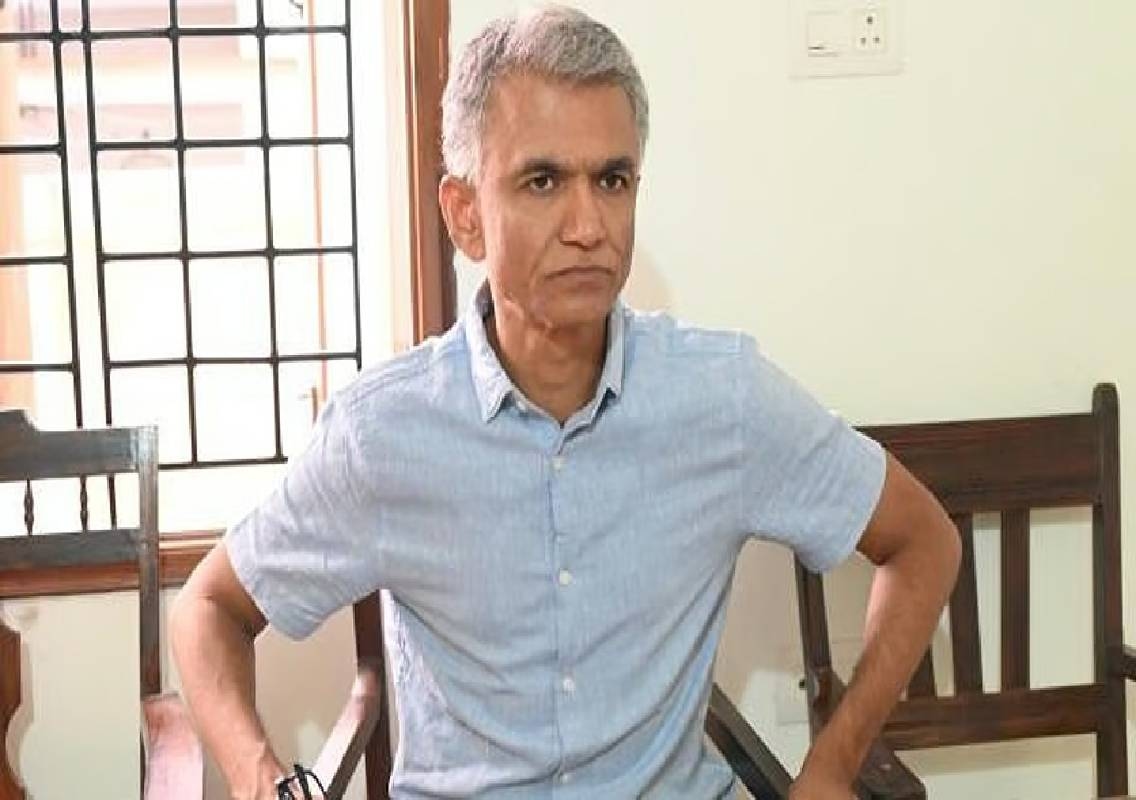


Bengaluru: Greater Bengaluru Development Minister Krishna Byre Gowda is facing criticism after his remarks questioning the regularisation of pourakarmikas triggered a backlash from activists, workers’ organisations and sections of civil society. The controversy followed an early-morning inspection in Bengaluru during which the minister questioned sanitation workers over attendance and the city’s garbage collection system.
The minister’s comments have since sparked a wider debate over the long-pending demand to regularise pourakarmikas, their working conditions and the responsibility of civic authorities to ensure efficient waste management.
Minister questions demand for regularisation
Gowda conducted a surprise inspection on September 5 to review garbage collection and other civic issues in areas including Horamavu, Ramamurthy Nagar, Agara Lake and surrounding parts of Bengaluru.
During his interaction with pourakarmikas, some workers raised the issue of regularising their services. Gowda questioned the demand, pointing to what he described as high absenteeism among sanitation workers.
The minister said around 30% of pourakarmikas were not reporting for duty regularly and questioned how workers who were absent could be considered for permanent employment. He also linked absenteeism to shortcomings in door-to-door garbage collection and the resulting accumulation of waste on city roads.
A video of the interaction subsequently circulated widely on social media, leading to criticism of the minister’s manner of addressing the workers.
The minister’s position has also received support from some sections of the public. Biocon founder Kiran Mazumdar-Shaw backed Gowda’s remarks, arguing that sanitation workers should demonstrate responsible performance before seeking permanent employment.
Activists demand apology
The comments have drawn strong objections from workers’ organisations and activists, who have argued that the discussion should also take into account the difficult conditions under which pourakarmikas work.
The All-India Central Council of Trade Unions (AICCTU) demanded an apology from Gowda, accusing him of publicly humiliating sanitation workers. The organisation said many pourakarmikas are women and belong to marginalised communities and argued that their contribution to public health and cleanliness should not be overlooked.
AICCTU also highlighted concerns involving contract employment, outsourcing, workload, delayed wages, protective equipment and social security. The union called for better working conditions and weekly offs for sanitation workers, besides seeking an end to the contract and outsourcing system.
Other activists similarly criticised the minister’s remarks while acknowledging that attendance and accountability among civic workers are legitimate administrative concerns.
Writer and theatreperson Du Saraswati, who has worked with pourakarmikas, said the minister should have considered the difficult and hazardous nature of sanitation work before making such remarks. She also pointed to the risks faced by sanitation workers, including deaths while carrying out hazardous cleaning work.
Regularisation remains a long-standing issue
The controversy has brought renewed attention to the employment status of Bengaluru’s sanitation workforce.
According to Times of India, Bengaluru has around 16,000 pourakarmikas, of whom approximately 12,800 have already been regularised, while the remaining workers are yet to be absorbed into government service. Auto drivers and helpers involved in sanitation work continue to operate under private contracts.
For workers seeking regularisation, permanent employment is linked not only to job security but also to access to better wages, social security and other employment benefits.
For the civic administration, however, attendance and service delivery remain important concerns, particularly when irregular garbage collection directly affects residents.
This has created a complex debate in which both accountability and worker rights have become central issues.
Bengaluru’s waste management challenge
Bengaluru continues to face significant challenges in managing solid waste, particularly in areas where door-to-door collection is disrupted.
The minister has argued that absenteeism among sanitation workers affects garbage collection and contributes to waste being dumped on roads. The government has also been under pressure from residents over uncollected garbage, sanitation problems and other civic issues.
At the same time, workers’ organisations maintain that improving cleanliness cannot be separated from improving the conditions of the people responsible for collecting the waste.
The controversy therefore goes beyond a single exchange between a minister and sanitation workers. It raises questions about how Bengaluru manages its sanitation workforce, monitors attendance, provides equipment and ensures that workers receive adequate protection while carrying out essential public services.
Accountability and dignity at the centre of debate
The criticism of Gowda does not necessarily mean that concerns about absenteeism should be ignored. If workers are absent without justification, authorities have a responsibility to investigate the reasons and take action according to established rules.
However, activists argue that accountability should apply across the sanitation system, including contractors, supervisors and civic officials responsible for ensuring that workers have the equipment, staffing and support required to perform their duties.
The debate also highlights the importance of maintaining dignity when dealing with workers who perform physically demanding and often hazardous jobs.
For Bengaluru, the immediate challenge is to ensure that residents receive reliable garbage collection while also addressing the legitimate concerns of sanitation workers.
Conclusion
The backlash against Krishna Byre Gowda’s remarks has once again brought Bengaluru’s pourakarmikas and their demand for regularisation into the spotlight. While attendance and accountability are important for effective waste management, activists and workers’ organisations have called for a broader approach that addresses employment security, safety, wages and working conditions.
The controversy could ultimately provide an opportunity for the Bengaluru civic administration to examine both sides of the issue — ensuring that sanitation workers fulfil their responsibilities while guaranteeing that those who keep the city clean receive dignity, safety and fair employment conditions.