







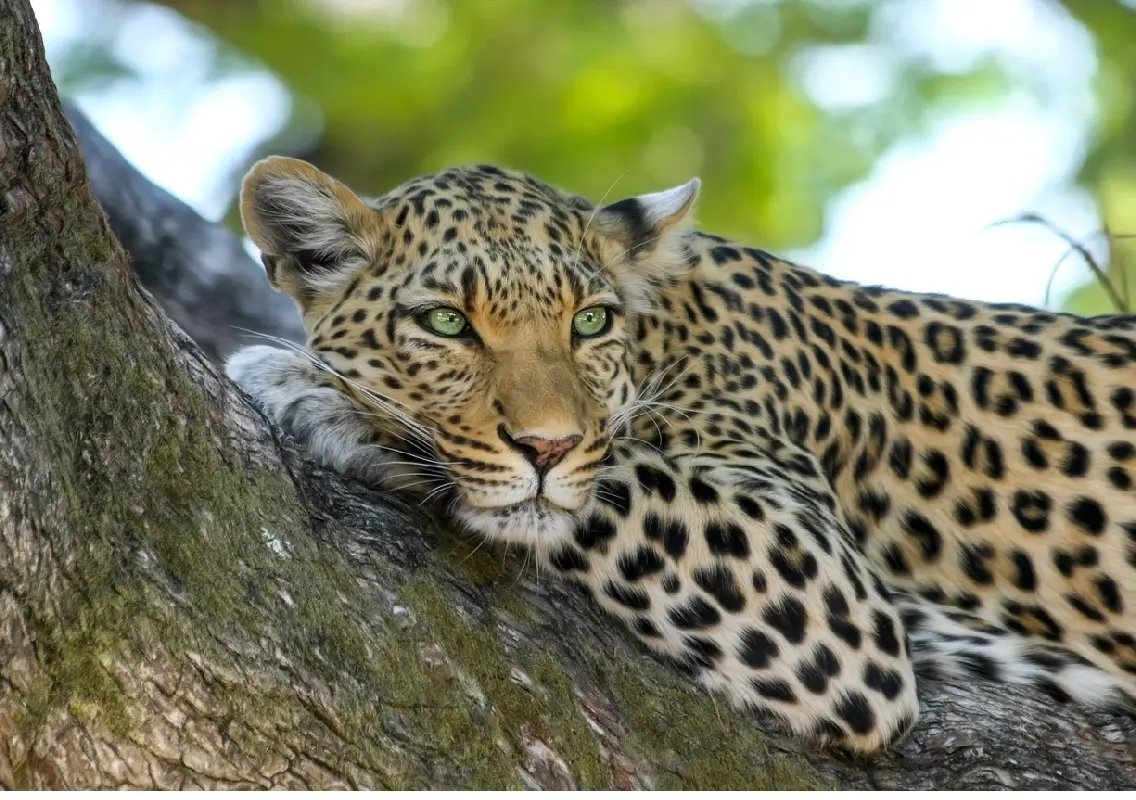


Panic gripped Bannerughatta Biological Park (BBP) on Thursday after a 56-year-old woman from Chennai was injured when a leopard jumped onto a non-AC safari bus during a routine tour inside the leopard enclosure. The incident prompted BBP authorities to indefinitely halt all non-AC bus safaris while a comprehensive safety review is carried out.
According to officials, the incident occurred around 1 pm when a non-air-conditioned safari bus operated by the Karnataka State Tourism Development Corporation entered the designated leopard zone. The enclosure, spread across 20 hectares, houses rescued and rehabilitated leopards from conflict-prone regions across Karnataka.
Woman injured as leopard lunges at safari bus
Park staff said that the injured visitor, identified as Vahitha Banu, was seated by a window when the leopard unexpectedly leapt towards the vehicle. “She tried to move back quickly, but the leopard’s claws caught her hand, causing a bleeding injury,” a staff member said. The driver managed to move the bus forward, preventing further escalation.
Banu was immediately taken to a nearby hospital. Doctors confirmed that her condition is stable, and she is expected to recover without complications.
BBP suspends non-AC bus safaris after incident
In a statement, BBP executive director A.V. Surya Sen termed the incident “unfortunate” and emphasised that all safari drivers had already been cautioned about heightened leopard activity. “Non-AC bus safaris have been suspended indefinitely until a full-fledged safety review is completed,” the statement said.
The park will utilise the downtime to inspect and reinforce all safari vehicles, including ensuring protective barriers such as grills and mesh are secure and undamaged. Officials confirmed that air-conditioned vehicles, which are fitted with sealed windows, will continue to operate as usual.
Second leopard-related bus incident in three months
Thursday’s incident has reignited safety concerns, especially since it marks the second leopard-related incident at BBP in three months. On August 15, a 12-year-old boy suffered scratches when a leopard’s claws brushed through the window grills of another safari bus. Following that incident, Forest Minister Eshwar Khandre had directed the installation of protective mesh over all safari bus windows and designated photography points.
While some buses have been upgraded, officials revealed that older tourist-corporation buses were still in the process of being converted, which may have contributed to the latest incident.
Safety systems at Leopard Safari enclosure
The Leopard Safari enclosure is secured by a 4.5-metre-high chain-link fence strengthened with metal sheets angled at 30 degrees to prevent climbing. It is further surrounded by railway barricades for added protection. The safaris are conducted in specially designed buses that usually prevent direct contact between visitors and animals.
However, Thursday’s incident has prompted scrutiny of whether all safety measures were strictly followed. Authorities are now examining the bus involved, driver protocols, enclosure behaviour patterns and recent animal activity logs.
Visitors shaken as BBP initiates safety audit
The incident left both visitors and staff shaken, raising questions about enclosure monitoring and bus maintenance. Park authorities assured that a detailed audit is underway to identify any operational lapses.
“We are reviewing every aspect—from vehicle condition to enclosure safety—to ensure such an incident does not recur,” a senior official said. Additional safety guidance is expected to be issued to tour drivers and support staff once the review concludes.
Conclusion
The leopard attack has pushed Bannerghatta Biological Park to reevaluate its long-standing safari operations, particularly the non-AC fleet that relies on open ventilation systems. While the injured visitor is recovering, the episode underscores the need for strict adherence to safety protocols in wildlife tourism settings. The park’s forthcoming safety recommendations are expected to shape how future safaris are conducted to ensure visitor confidence and prevent further incidents.