







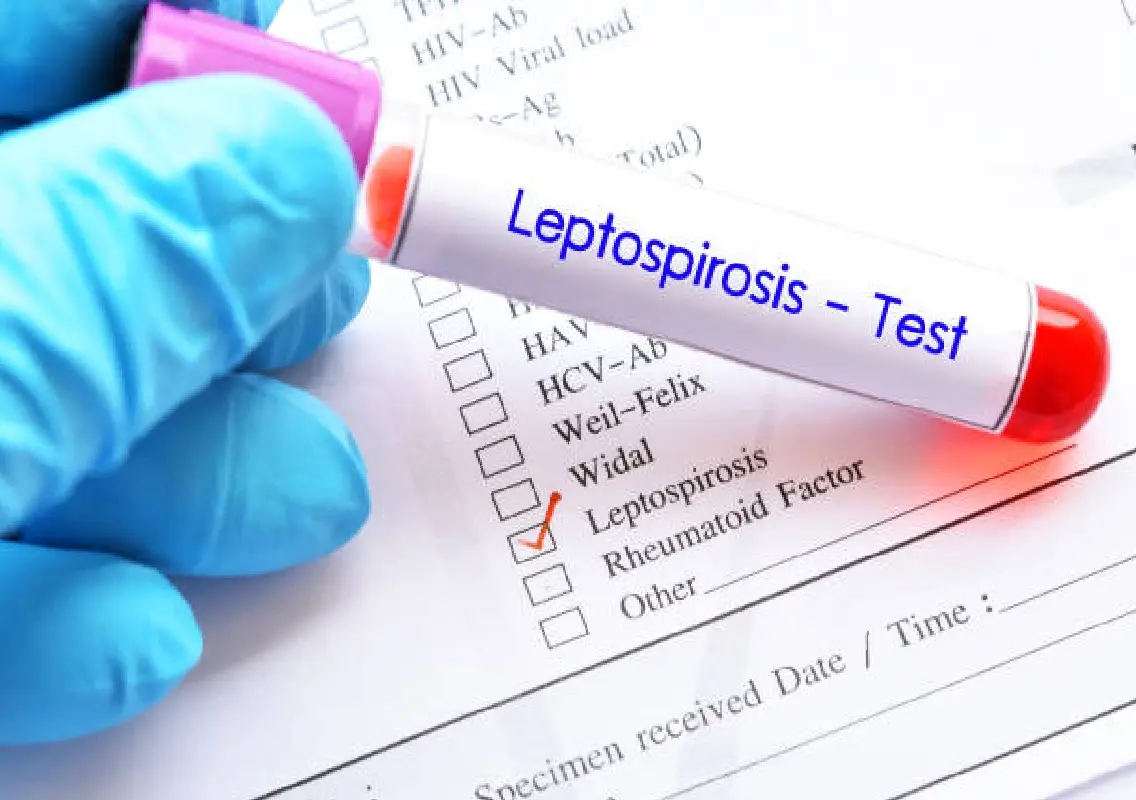


Bengaluru: Karnataka has recorded 2,042 cases of leptospirosis (rat fever) by the second week of November this year, marking a sharp rise compared to previous years, according to data from the Integrated Disease Surveillance Programme (IDSP). The state had reported 1,879 cases in 2024 and 1,340 cases in 2023, indicating a consistent upward trend linked to extended rainy periods and a growing rodent population.
Leptospirosis is a zoonotic bacterial infection transmitted when humans come into contact with water, soil, or food contaminated with the urine of infected animals—primarily rats, but also other rodents and livestock. The disease typically presents with high fever, severe headache, muscle pain, vomiting, diarrhoea, and skin rashes, and can lead to kidney or liver complications if left untreated.
Rising cases in Bengaluru linked to poor waste management
Health department officials said Bengaluru’s poorly managed garbage, food waste accumulation and improper disposal practices at homes and eateries have contributed significantly to the rodent surge in the city.
“With more accessible food sources, rodent populations tend to grow rapidly, which in turn increases the risk of transmission,” a health official said.
In rural districts, the rise has been attributed to agricultural activity during monsoon and harvest seasons. Water stagnation in fields, a common occurrence at this time of year, creates ideal conditions for the bacteria to spread.
Increase due to better surveillance, not outbreak: Health dept
Despite the rise in numbers, authorities clarified that the increase does not indicate an outbreak. Instead, it reflects improved detection, expanded surveillance and wider fever screening.
“These cases reflect improved detection and broader testing coverage due to expanded fever screening, better reporting, and more clinicians testing,” Harsh Gupta, principal secretary, told TOI.
Testing for leptospirosis rose by 40% in 2025—from 10,068 tests in 2024 to 14,034 tests this year. As a result, the number of confirmed cases naturally increased. Notably, test positivity declined from 18% in 2024 to 13.8% in 2025, and even during peak monsoon months, positivity remained lower than last year, indicating a reduced infection intensity.
Prevention: Urban and rural guidance
Doctors emphasise that early detection and prompt treatment with specific antibiotics can effectively cure leptospirosis. Delays, however, can lead to complications affecting the kidneys and liver, and may even turn fatal in severe cases.
Health experts have recommended the following preventive measures:
For urban residents:
- Avoid contact with stagnant or contaminated water.
- Maintain proper hand hygiene.
- Ensure garbage is disposed of in sealed bags and bins to reduce rodent access.
For rural communities and farmers:
- Wear boots, gloves and protective clothing when working in waterlogged fields.
- Cover wounds or cuts and clean them immediately after exposure.
- Seek medical attention promptly if fever or other symptoms develop.
District-wise case distribution
According to IDSP, the highest number of cases have been recorded in coastal districts:
- Udupi – 452 cases
- Dakshina Kannada – 372 cases
- Shivamogga – 288 cases
- Uttara Kannada – 250 cases
- Bengaluru – 198 cases
The total statewide caseload stands at 2,042 as of mid-November.
With winter rains persisting in parts of Karnataka and rodent activity showing no immediate decline, health authorities have urged both urban and rural populations to follow preventive measures and seek medical help at the earliest signs of infection.