









Bengaluru: In a significant development in a terror-related case, a special court has sentenced an operative linked to Lashkar-e-Taiba (LeT) to seven years of rigorous imprisonment in connection with the 2023 Bengaluru prison radicalisation case, the National Investigation Agency (NIA) said.
The convict, Vikram Kumar alias Chota Usman, is the eighth accused to be found guilty in the case by a special NIA court in Bengaluru.
Radicalisation inside prison
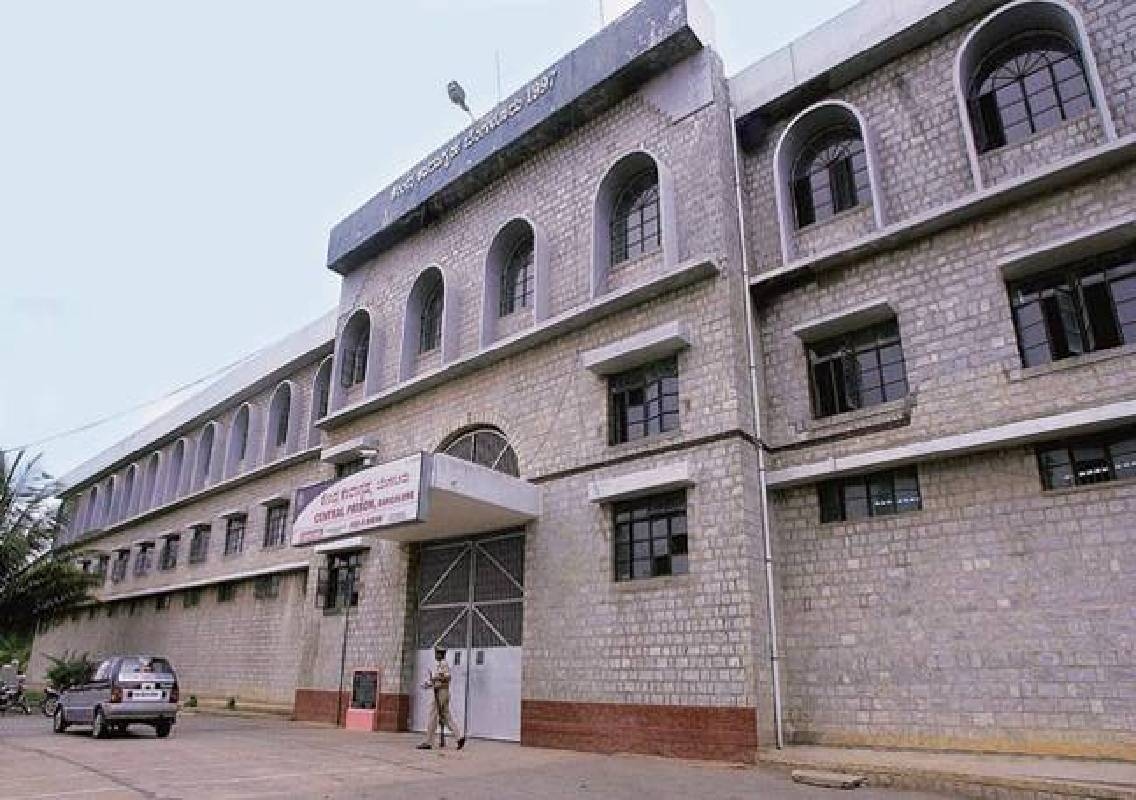
According to the NIA, Vikram Kumar was radicalised while lodged in the Parappana Agrahara Central Prison, where he came into contact with key conspirators.
The investigation revealed that he was recruited by LeT member T Naseer and co-accused Junaid Ahmed, who allegedly orchestrated the radicalisation network from within the prison.
Even after his release, Vikram reportedly maintained contact with Naseer and Junaid, continuing his involvement in the conspiracy.
Arms transfer and terror plot
The probe agency stated that in May 2023, Vikram Kumar travelled to Ambala in Haryana, where he collected a “dead drop” of hand grenades and walkie-talkies. He later transported and handed over the materials to a co-accused in Bengaluru.
Investigators also found that Vikram was financially supported by Junaid Ahmed and played a role in a broader conspiracy aimed at facilitating the escape of T Naseer during a court transit.
The alleged plan was part of LeT’s agenda to promote terror activities in India and threaten national security and sovereignty.
Earlier convictions in the case
Last month, the special court had already sentenced seven other accused in the same case, including the alleged mastermind T Naseer. The radicalisation plot was reportedly hatched while Naseer was an undertrial prisoner in connection with the 2008 Bengaluru serial blasts case.
With Vikram Kumar’s conviction, the number of convicted individuals in the case has risen to eight.
Case origin and investigation
The case was initially registered by the Bengaluru Central Crime Branch in July 2023 after authorities seized arms, ammunition, and digital devices from individuals suspected of planning terrorist attacks in the city.
The investigation was later handed over to the NIA, which uncovered a wider conspiracy involving prison radicalisation, arms procurement, and coordinated plans to carry out attacks in Bengaluru.
The agency subsequently filed a chargesheet against 12 accused persons, detailing their roles in the conspiracy.
Absconding accused still at large
Among the accused, Junaid Ahmed remains absconding. The NIA has stated that efforts are ongoing to track and apprehend him.
Officials have reiterated that the investigation remains active, with agencies continuing to pursue all leads to dismantle the network and prevent potential threats.
Conclusion: Strong action against terror networks
The sentencing of Vikram Kumar marks another step in the crackdown on terror networks operating within and outside prison systems. The case highlights the risks of radicalisation among inmates and the need for stringent monitoring.
Authorities have emphasised that coordinated efforts between investigative agencies and law enforcement are crucial to safeguarding national security and preventing such conspiracies from taking shape.