







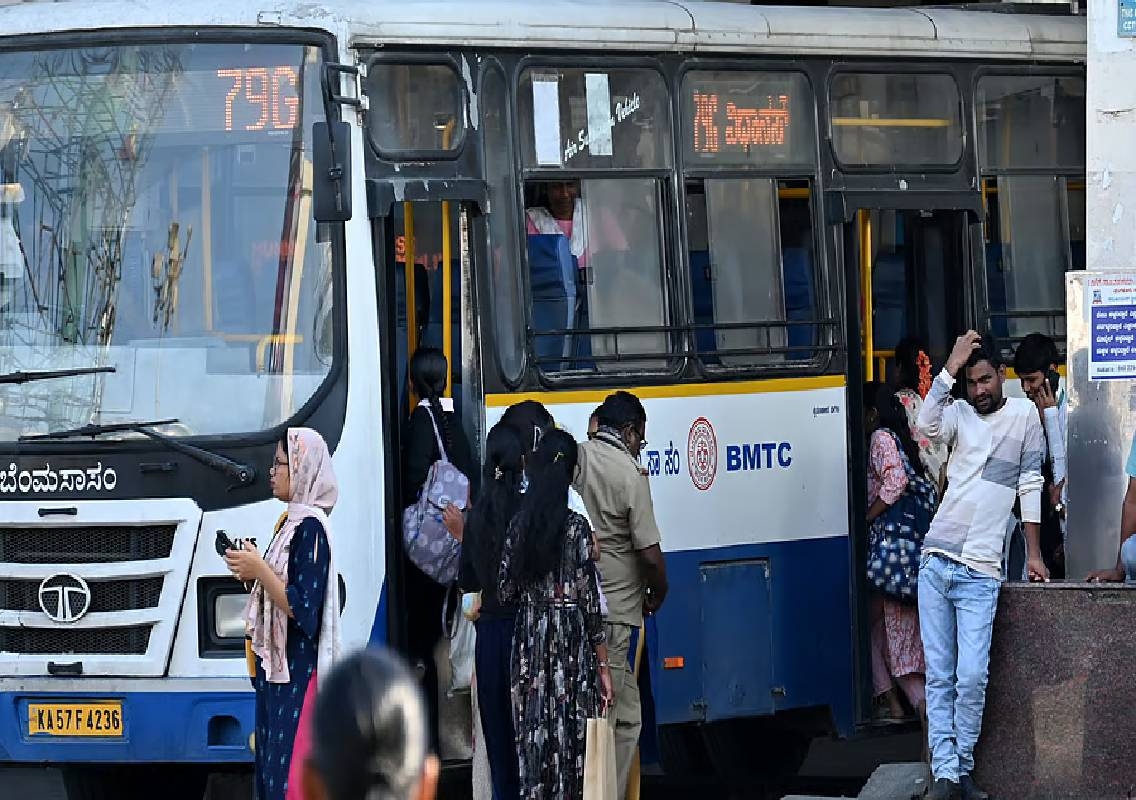


Bengaluru: The Karnataka Lokayukta has taken suo motu cognisance of the reported lack of medical facilities at the Shivajinagar bus stand in Bengaluru, following concerns over the absence of immediate medical assistance for passengers during emergencies. The action was initiated by Upalokayukta Justice K.N. Phaneendra.
The development comes after an incident in which a senior citizen reportedly suffered seizures at the Shivajinagar bus station, highlighting concerns over the preparedness of the Bengaluru Metropolitan Transport Corporation (BMTC) to respond to medical emergencies involving passengers.
Senior citizen’s medical emergency raises concerns
The issue came to light after a senior citizen reportedly suffered seizures while travelling on a BMTC bus that reached Shivajinagar bus station.
According to a report on the incident, the passenger had boarded the bus at Ramamurthy Nagar and travelled towards Shivajinagar. After other passengers got off, the elderly man remained inside the bus and was reportedly found unresponsive after suffering a medical emergency.
The bus conductor and driver reportedly struggled to assist the passenger for more than 30 minutes. The situation raised questions over the availability of immediate medical assistance at one of Bengaluru’s major bus terminals.
The incident was particularly concerning because Commercial Street Police Station is located a short distance from the bus stand, while Bowring and Lady Curzon Hospital is also nearby. However, immediate transport and medical assistance were reportedly not readily available at the time of the incident.
No dedicated medical facility reported
The incident has brought attention to the reported absence of a dedicated medical facility at the Shivajinagar bus stand.
A BMTC employee cited in the report said medical facilities were not available at BMTC bus stations across the city, except at Shantinagar Bus Station. The absence of such facilities could pose difficulties when passengers suffer sudden health emergencies while waiting for or travelling on buses.
In the case involving the elderly passenger, there was reportedly neither a Hoysala police vehicle nor an ambulance immediately available near the bus station. An emergency call was made to 112 seeking assistance.
The incident eventually ended with the bus driver and conductor helping the passenger out of the vehicle, following which police personnel arrived and took charge of the situation.
Lokayukta takes suo motu action
Following the concerns over medical aid at the bus stand, the Karnataka Lokayukta has registered a suo motu case.
The action was initiated by Upalokayukta Justice K.N. Phaneendra, according to reports published on September 5.
A suo motu case allows the Lokayukta to take up an issue on its own initiative rather than waiting for a formal complaint from an affected individual.
The latest action places the availability of emergency medical assistance at public transport facilities under official scrutiny.
Shivajinagar is a major transport hub
Shivajinagar bus stand is an important public transport facility in Bengaluru, serving large numbers of commuters travelling to different parts of the city.
The bus stand is also located close to major healthcare infrastructure, including Bowring and Lady Curzon Hospital. Despite the proximity of medical services, the reported incident has raised questions about how quickly passengers experiencing emergencies can be moved from the bus stand to appropriate medical care.
For elderly passengers and those with existing health concerns, timely intervention can be particularly important during incidents such as seizures, fainting, cardiac problems or injuries.
The concern is therefore not limited to the availability of a doctor at the bus stand but also involves the preparedness of transport staff, access to emergency vehicles and coordination with nearby hospitals and police.
BMTC staff preparedness under scrutiny
The reported incident has also raised questions about the level of emergency preparedness among BMTC personnel.
Bus drivers and conductors are generally the first transport staff to encounter a passenger facing a medical emergency inside a bus. In situations where a passenger becomes unconscious or suffers seizures, staff need to know how to respond while ensuring that professional medical assistance is called quickly.
The Shivajinagar incident reportedly showed the difficulties faced by the driver and conductor while trying to assist the elderly passenger. The bus was also delayed while efforts were made to help him.
A BMTC Assistant Traffic Manager at Shivajinagar reportedly said staff should have taken the passenger to Bowring and Lady Curzon Hospital. However, the incident also highlighted the practical challenges of moving a medical emergency patient when the available transport options are limited.
Lokayukta scrutiny could push for corrective measures
The suo motu action by the Lokayukta could lead to greater scrutiny of medical preparedness at major bus stations.
Public transport facilities handle large numbers of passengers every day, making basic emergency response arrangements an important part of passenger safety. A first-aid centre, trained personnel, emergency contact systems and quick access to ambulances could potentially reduce delays when passengers require urgent assistance.
The case also raises broader questions about whether similar arrangements are available at other major BMTC bus stations across Bengaluru.
The availability of medical assistance is especially significant at busy terminals where elderly passengers, children and people with health conditions regularly travel.
Need for stronger emergency response
The Shivajinagar incident has highlighted a gap between the availability of hospitals in the vicinity and the ability to provide immediate assistance at the transport facility itself.
While Bowring and Lady Curzon Hospital is located close to the bus stand, passengers experiencing a medical emergency may still need immediate first aid and safe transportation before reaching a hospital.
The Lokayukta’s intervention could therefore bring attention to the need for a coordinated emergency response system at major bus terminals.
For Bengaluru, the issue goes beyond one incident. Ensuring that public transport facilities have adequate emergency medical arrangements could help improve passenger safety and prevent delays in accessing treatment.
The suo motu proceedings will now bring greater focus on the responsibilities of BMTC and other concerned authorities and on whether corrective measures are required at Shivajinagar and other major bus stations.