







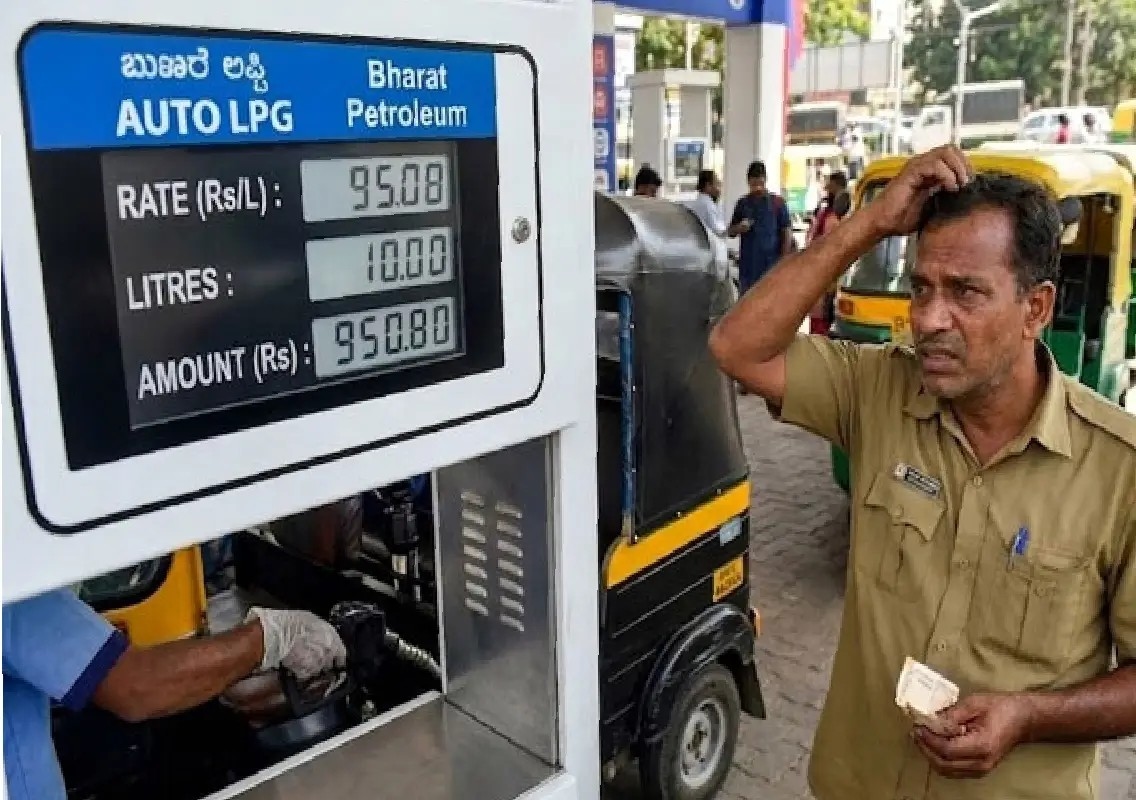


Auto-rickshaw drivers in Bengaluru have expressed concern after a ₹6 per litre hike in LPG prices for vehicles, stating that the increase is directly impacting their daily earnings.
Drivers feel the pinch
Many drivers say fuel costs form a major portion of their daily expenses, and even a small hike significantly reduces take-home income. With fixed or regulated fares, they find it difficult to pass on the additional cost to passengers.
Drivers reported that their margins have been shrinking over time due to repeated fuel price revisions and rising maintenance costs.
Balancing costs and fares
Auto drivers face a dilemma—either absorb the cost or risk losing customers by demanding higher fares. In a competitive urban environment, many choose to keep fares unchanged, further affecting their earnings.
Some drivers have called for a revision of fare structures to reflect rising operational costs.
Impact on urban commuters
While passengers may not immediately see fare hikes, sustained fuel price increases could eventually lead to higher travel costs. This could affect daily commuters who rely heavily on autos for last-mile connectivity.
Broader livelihood concerns
Driver unions and associations have highlighted the need for government support or policy interventions to cushion the impact of fuel price volatility. They stress that many drivers operate on thin margins and are vulnerable to such increases.
A growing cost-of-living issue
The LPG price hike adds to broader concerns around rising living costs in Bengaluru, affecting not just households but also small service providers and daily wage earners.