







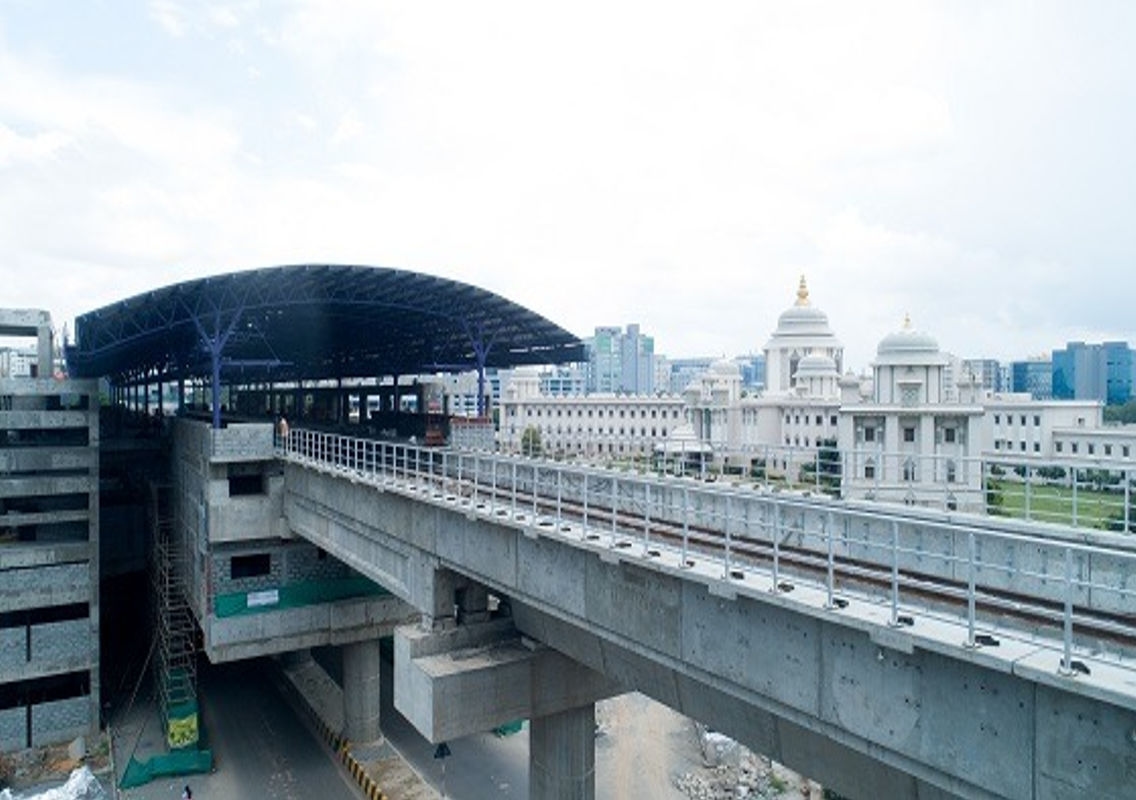


Bengaluru Metro, operated by the Bangalore Metro Rail Corporation Limited (BMRCL), is poised for a fare revision after a seven-year hiatus. Since 2017, metro fares in the city have remained unchanged, despite increasing operational costs and growing financial pressures on the metro system. This upcoming fare increase, which has been proposed by the Fare Fixation Committee formed by the Central Government, aims to balance the growing costs of metro operations and ensure the long-term sustainability of the system.
The Fare Fixation Committee, which operates under the Metro Railways (Operation and Maintenance) Act, 2002, has been closely studying the metro fare structure. This body has been tasked with reviewing the operational costs, inflation, and the financial health of the metro system to recommend an appropriate fare revision. According to the recommendations, the new fare structure will increase the minimum fare from Rs 10 to Rs 15 and the maximum fare from Rs 60 to Rs 75.
BMRCL Managing Director Mahesh Rao has indicated that this fare revision is essential for the continued efficient operation of the metro services. While the fare revision was anticipated due to rising operational, maintenance, and personnel costs, the last revision was implemented in 2017, making it necessary now. Rao further clarified that while the committee’s report has not been finalised, they are looking into multiple aspects such as inflationary pressures and service cost adjustments before confirming the hike.
The increase in fares has been driven by the growing financial pressures faced by the metro system. BMRCL, despite the rising costs in operations and maintenance, had refrained from increasing fares to prevent burdening commuters. However, maintaining a stable fare policy without adjustments for seven years has proven to be unsustainable, and without fare revisions, the metro’s financial viability could be compromised.
BMRCL sources explain that the fare adjustment is necessary to continue providing safe, efficient, and high-quality services to the public. The metro system has been experiencing an increase in expenses across various fronts, including staff salaries, energy costs, and infrastructure maintenance. Meanwhile, the fare increase is expected to provide the necessary revenue boost to cover these rising costs and ensure the long-term financial health of the system.
As part of the fare revision process, the Fare Fixation Committee has invited public feedback on the proposed fare changes. Citizens were given the opportunity to submit suggestions and objections until October 28, providing a platform for commuters to express their views on the fare revision. The committee has been committed to gathering diverse perspectives, ensuring that the final decision reflects both the financial realities of BMRCL and the concerns of the city’s commuters.
In his comments, Mahesh Rao assured that BMRCL would carefully consider the final recommendations of the Fare Fixation Committee before implementing any changes. While the fare hike is seen as necessary for financial sustainability, the authority is committed to improving the service for commuters as well. Additionally, BMRCL plans to continue encouraging the use of smart cards and QR codes, which will offer a 5% discount on fares, promoting a seamless, cashless experience for passengers.
While the fare revision is set to take place, BMRCL is simultaneously expanding its network to cater to the growing demand for metro services in the city. The upcoming extension of the Green Line from Nagasandra to Madavara is a much-awaited development that is expected to improve connectivity and ease congestion in the northwest region of Bengaluru. This new extension will connect the Green Line to Tumakuru Road, helping to distribute commuter traffic more evenly across the network.
The extension of the Green Line is expected to alleviate crowding at the Nagasandra Metro Station, as it will provide an alternative route for commuters in the surrounding areas. Members of Parliament, including Tejasvi Surya, have been pushing for the swift completion of this project, urging BMRCL to expedite the technical and safety tests required for the launch.
Despite the fare revision, BMRCL remains committed to offering a high-quality, reliable metro service to its passengers. The new fare structure will support the system’s financial needs while also ensuring that the metro remains an attractive and efficient transport option for Bengaluru’s residents. Moreover, the 5% discount for passengers using smart cards and QR code tickets will encourage digital transactions, making the boarding process smoother and more efficient.
With these combined efforts—an essential fare revision, the expansion of the metro network, and an emphasis on digital solutions—BMRCL aims to provide an improved, financially sustainable service while addressing the growing transportation needs of the city.
As Bengaluru’s metro network continues to expand and evolve, commuters can expect a more extensive, efficient, and sustainable metro system. However, the cost of travel will marginally increase, a necessary adjustment for the continued growth of the city’s metro system.
Update from Bangalore Metro Rail Corporation Limited:
It may be noted that the 1st Fare Fixation Committee (FFC) of BMRCL for review of Metro Fares has been constituted by the Central Government. The FFC is in the process of gathering various financial and other data / information from BMRCL and feedback from commuters about the existing Fares and the impact of Fare revision on both BMRCL and the metro commuters. Therefore, at this juncture, no increase in Metro Fares has been recommended by the FFC.