







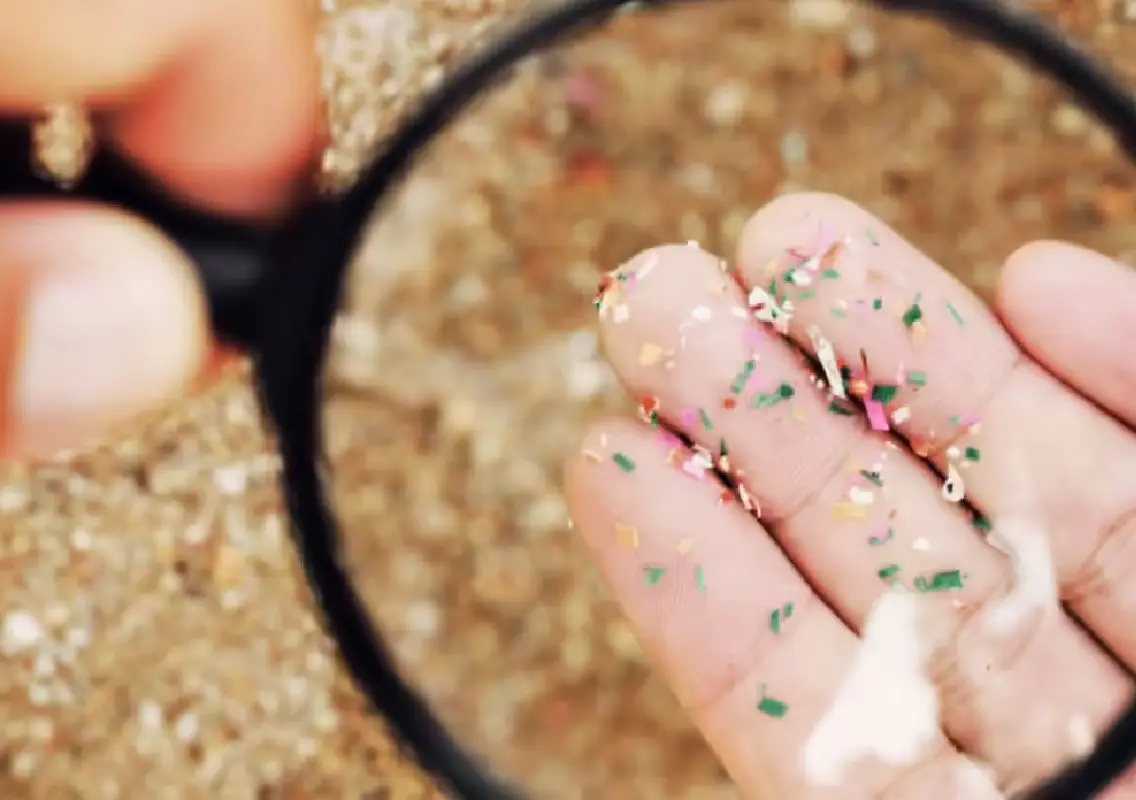


A recent study by the Indian Institute of Science (IISc) and Vellore Institute of Technology has revealed the presence of microplastics in groundwater sources across eastern Karnataka, highlighting an emerging environmental concern.
Published in the journal Current Science, the research found microplastic particles at depths ranging from 60 to 100 metres in hard rock aquifers.
Contamination detected across multiple districts
The study analysed borewell water samples from rural areas in Tumakuru, Ballari, Raichur, Chikkaballapur, Koppal, and Kolar. In November 2024, microplastics were detected in 10 out of 11 sampled locations. A follow-up round in February 2025 showed lower detection levels in some areas, indicating that contamination may fluctuate over time.
Researchers noted that larger sample sizes revealed higher levels of contamination. At locations such as Ganjigunte and Mudimadugu, 20-litre samples contained significantly more particles compared to smaller one-litre samples.
How microplastics enter groundwater
The study found that microplastics travel through fractures in geological formations like granites and gneisses. Their small size—often less than 1,000 micrometres—and linear shapes enable them to move through narrow rock pathways and reach underground water reserves.
Particles were identified in various forms, including fragments, filaments, and prisms, with concentrations of up to three particles per litre.
Common plastic sources identified
Analysis revealed the presence of widely used polymers such as polyethylene (PE), polypropylene (PP), polystyrene (PS), and polyethylene terephthalate (PET). These materials are commonly found in plastic carry bags, packaging, agricultural mulch films, pipes, and fishing equipment.
Researchers attributed the contamination largely to domestic waste, agricultural activities, and freshwater fishing practices.
Health impact and exposure levels
The study estimates that residents in affected villages may ingest around 1,100 microplastic particles annually through drinking water—approximately three particles per day. However, experts clarified that drinking water alone is not currently the primary source of exposure.
Many rural households rely on reverse osmosis (RO) systems, which can effectively filter out microplastics if properly maintained.
Call for better waste management
The findings underscore the urgent need for improved plastic waste management in rural areas. Experts emphasise the importance of controlling agricultural plastic use and preventing waste from entering inland water bodies.
As awareness grows, the study serves as a reminder of the far-reaching impact of plastic pollution—even in deep groundwater sources once considered relatively protected.