







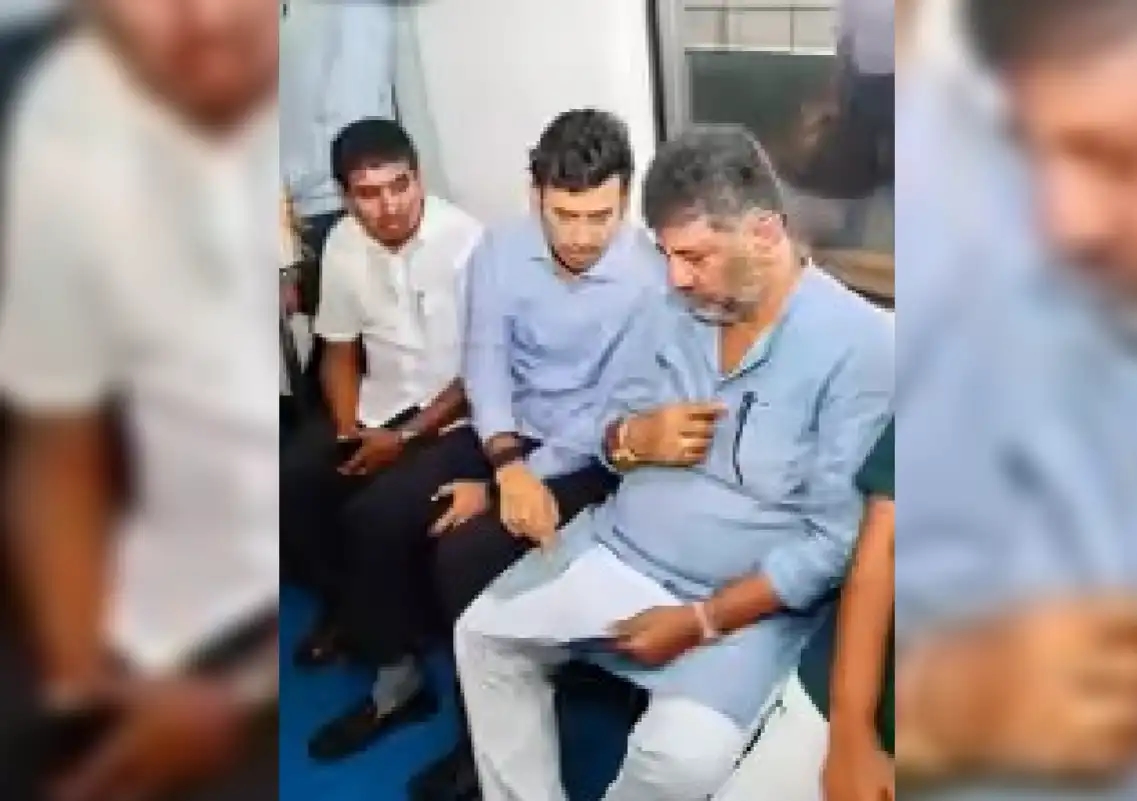


Bengaluru — Bengaluru South MP Tejasvi Surya has sought a meeting with Deputy Chief Minister D.K. Shivakumar to present an alternative plan to the state government’s proposed tunnel road project. Surya described the current plan as “wasteful, unscientific and ineffective” in addressing the city’s persistent traffic congestion.
MP’s objections and proposed alternatives
In his letter to Shivakumar, Surya said that the proposed tunnel would not reduce private vehicle usage nor strengthen public transport systems. He added that experts and the general public share concerns over the project’s feasibility, cost, and potential environmental impact.
The MP said his intent was not political but civic, urging for a detailed discussion to identify “better, sustainable and people-first solutions”. He requested a 30-minute meeting to present a mobility plan that focuses on suburban rail, ring roads, and bus rapid transit systems rather than large-scale tunnelling.
Government’s stance
Deputy Chief Minister Shivakumar responded by reiterating that the tunnel road project would move forward, stressing that it would not harm heritage zones such as Lalbagh Botanical Garden. He, however, welcomed Surya’s suggestions and said constructive feedback would be considered if backed by viable technical data.
Officials maintained that the project was aimed at addressing Bengaluru’s growing congestion and that environmental and structural safeguards were being prioritised.
Broader concerns
The exchange has reignited debate about Bengaluru’s long-term mobility strategy. Urban planners and activists argue that investments should favour public transport infrastructure rather than car-centric projects. Several environmental groups have also raised concerns about the felling of trees and the project’s impact on the city’s green spaces.
Legal petitions related to the tunnel road are currently pending before the Karnataka High Court, which has sought clarity on permissions and environmental clearances.
The road ahead
If approved, Surya’s meeting with Shivakumar could pave the way for discussions on alternate solutions such as accelerating suburban rail projects and improving last-mile connectivity. The outcome may shape the city’s transport development strategy for the coming decade, balancing infrastructure growth with sustainability.