







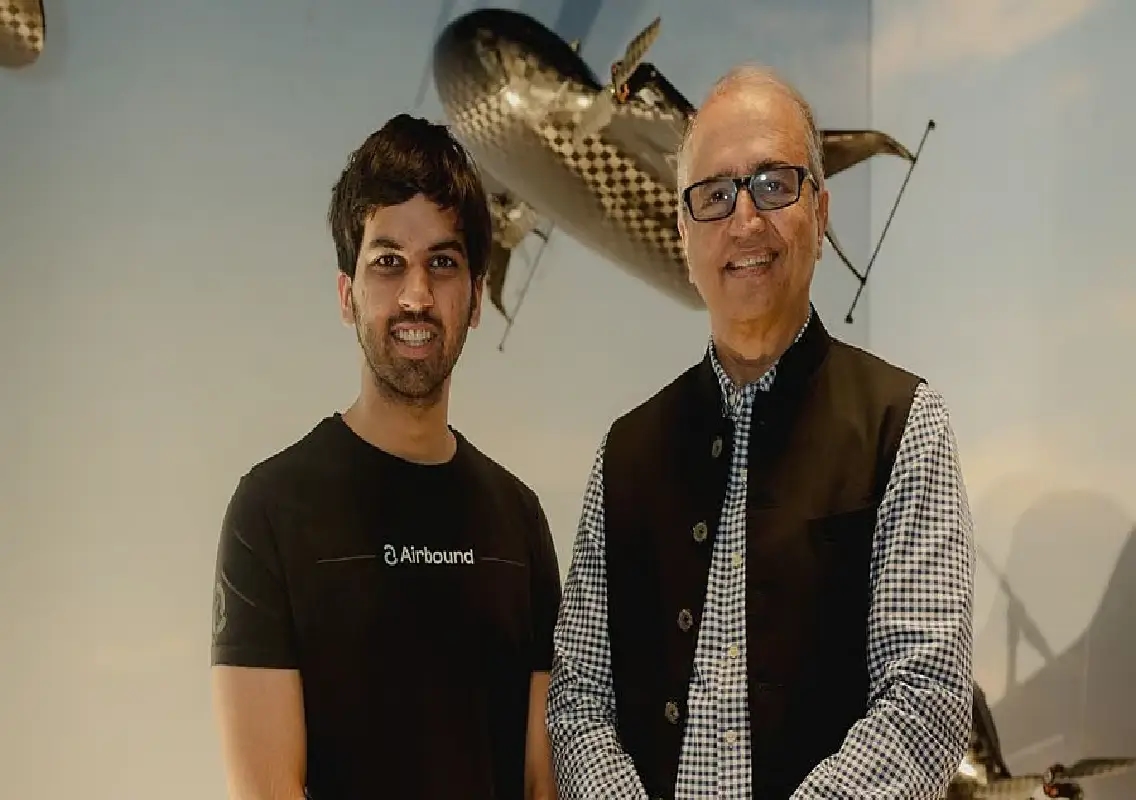


Bengaluru: Healthcare provider Narayana Health and Bengaluru-based aerial logistics company Airbound have successfully completed a medical logistics pilot project using drones to transport diagnostic samples between healthcare facilities in the city. The initiative marks a significant step towards faster and more efficient medical sample transport using aerial routes.
The pilot project connected Narayana Health’s Chandapura Clinic to its central laboratory at Narayana Health City in Electronic City. According to the organisations, the aerial logistics route significantly reduced transportation time compared to traditional road travel.
Officials said the project, which began in January 2026, demonstrated the potential of drone-based medical logistics to improve healthcare efficiency in urban environments.
Drone route connects two healthcare facilities
The aerial route covered a distance of approximately 4 kilometres between the Chandapura Clinic and Narayana Health City.
Using drone technology, the journey took around 10 minutes to complete. In comparison, road transport often takes significantly longer due to heavy traffic conditions in Bengaluru.
Healthcare administrators noted that reducing the time taken to transport diagnostic samples can help laboratories begin testing sooner, leading to faster results for patients.
Officials said the pilot project was designed to evaluate the reliability, safety and efficiency of aerial logistics for routine healthcare operations.
More than 700 flights completed
Over the course of the pilot programme, the drone route successfully completed more than 700 flights.
The operations were carried out over 54 consecutive days, demonstrating consistent performance during the testing phase.
Each flight was capable of carrying up to 40 diagnostic samples from the clinic to the central laboratory. According to Narayana Health and Airbound, the pilot recorded zero failed deliveries during the entire testing period.
This high success rate highlighted the reliability of the drone-based transport system in handling sensitive medical samples.
Potential to transform medical logistics
Dr Devi Prasad Shetty, Founder and Chairman of Narayana Health, said the organisation has invested heavily in digital healthcare infrastructure over the past 25 years.
He noted that centralising essential services such as clinical laboratories and blood banks can significantly reduce the cost of diagnostics and transfusions.
However, he explained that transportation time and logistical expenses have historically been major barriers to such centralisation.
By introducing drone-based logistics, hospitals can potentially overcome these obstacles and streamline operations.
According to Dr Shetty, improving transportation efficiency can play a crucial role in delivering affordable and accessible healthcare services to a larger population.
Benefits for healthcare delivery
Medical experts say faster sample transport can improve the efficiency of diagnostic services and hospital operations.
When samples reach laboratories quickly, testing can begin earlier, which in turn allows doctors to receive results sooner and start treatment faster.
Drone-based delivery systems may also reduce dependency on road transport, which is often unpredictable in densely populated cities like Bengaluru.
In addition to speed, such systems can lower operational costs associated with fuel, vehicle maintenance and logistics management.
Healthcare institutions believe these advantages could significantly enhance the delivery of medical services in the future.
Plans to expand drone corridors
Following the successful completion of the pilot programme, Narayana Health is preparing to expand the use of aerial medical logistics.
The healthcare provider plans to introduce similar services at its upcoming hospital in Banashankari.
Pending regulatory approvals and government permissions, Narayana Health and Airbound intend to launch a new pilot corridor connecting the new Banashankari Hospital with the flagship hospital in Electronic City.
Officials said the expansion will help evaluate how drone logistics can be integrated into routine healthcare operations across multiple locations.
Importance of regulatory approvals
The expansion of drone-based logistics in healthcare will depend on approvals from aviation regulators and government authorities.
Drone operations in urban areas require strict safety guidelines to ensure that flights do not interfere with other air traffic or pose risks to people on the ground.
Both Narayana Health and Airbound said they will work closely with authorities to ensure compliance with all regulatory requirements before scaling the project further.
Industry experts believe that successful pilots like this could encourage broader adoption of drone technology in healthcare logistics across India.
Conclusion
The completion of the drone logistics pilot between Chandapura Clinic and Narayana Health City represents an important milestone in the use of aerial technology for healthcare services.
With more than 700 successful flights and zero failed deliveries, the project has demonstrated that drones can play a valuable role in transporting medical samples quickly and safely.
If expanded across more hospitals and cities, drone-based logistics could significantly improve the speed, efficiency and accessibility of healthcare delivery in India.