







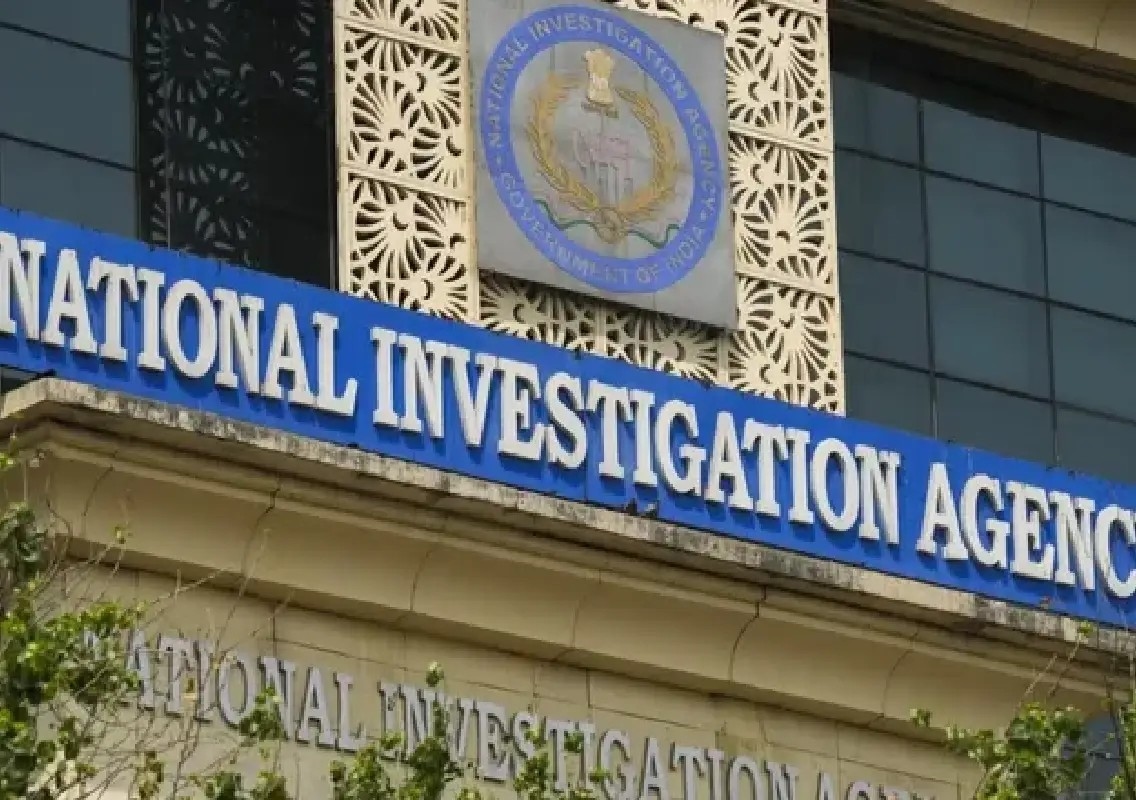


A special court of the National Investigation Agency in Bengaluru has convicted Vikram Kumar, alias Chota Usman, in a prison radicalisation case linked to the banned terror outfit Lashkar-e-Taiba.
Court delivers verdict in radicalisation case
The NIA special court sentenced Chota Usman to seven years of rigorous imprisonment after finding him guilty of involvement in activities related to radicalisation within prison premises. Another accused in the case was also convicted.
Officials stated that the case involved attempts to influence and recruit individuals while in custody, raising concerns over security and monitoring within correctional facilities.
Investigation uncovered organised network
According to the prosecution, investigations revealed links between the accused and operatives associated with Lashkar-e-Taiba. The case highlighted how extremist elements allegedly attempted to use prisons as spaces for indoctrination and recruitment.
The agency had earlier filed a detailed chargesheet outlining the role of the accused and the nature of the activities carried out.
Focus on prison security and monitoring
The case has brought renewed focus on the need for stricter surveillance and de-radicalisation measures within prisons. Authorities have stressed the importance of intelligence coordination and preventive systems to curb such activities.
Legal process and national security concerns
Officials reiterated that cases involving terror-linked activities are handled with stringent legal scrutiny. The conviction is seen as part of broader efforts to counter organised networks and ensure internal security.