







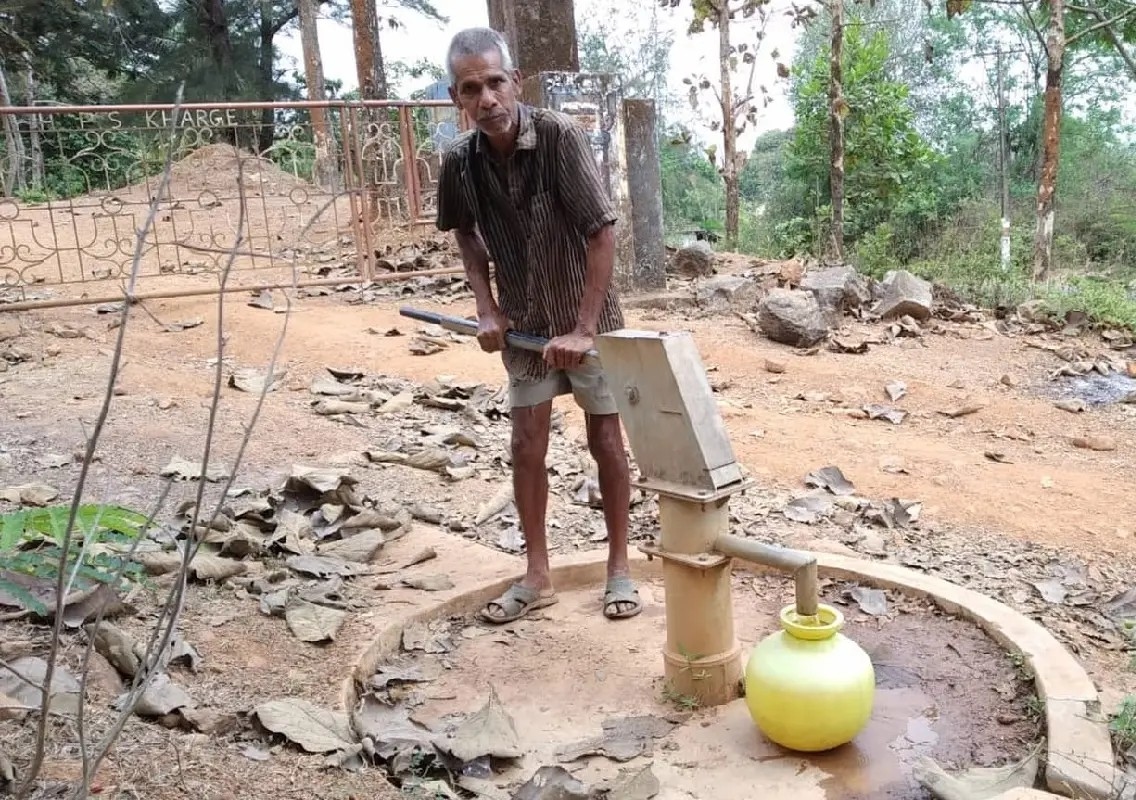


Karnataka is facing a deepening water crisis, with more than 1,000 borewells reported dry and at least 652 villages grappling with acute water shortages.
Widespread water scarcity
According to a report by Deccan Herald, the shortage has affected multiple districts, leaving residents struggling for access to drinking water.
Authorities have been deploying tankers and taking emergency measures to supply water in the worst-affected regions.
Rural communities hit hardest
Villages are bearing the brunt of the crisis, with many depending entirely on groundwater sources. As borewells dry up, residents are forced to travel long distances or rely on irregular tanker supplies.
The situation has disrupted daily life, agriculture, and livestock care.
Reasons behind the crisis
Experts attribute the shortage to a combination of factors, including deficient rainfall, depleting groundwater levels, and increasing demand for water.
Rapid urbanisation and changing climate patterns have further strained existing water resources.
Government response
Officials have initiated relief measures, including water supply through tankers and monitoring of affected areas. Efforts are also being made to identify alternative water sources and ensure equitable distribution.
Need for long-term solutions
The crisis has renewed calls for sustainable water management practices, including rainwater harvesting, groundwater recharge, and conservation measures.
As summer intensifies, authorities and citizens alike face the challenge of addressing both immediate needs and long-term water security