







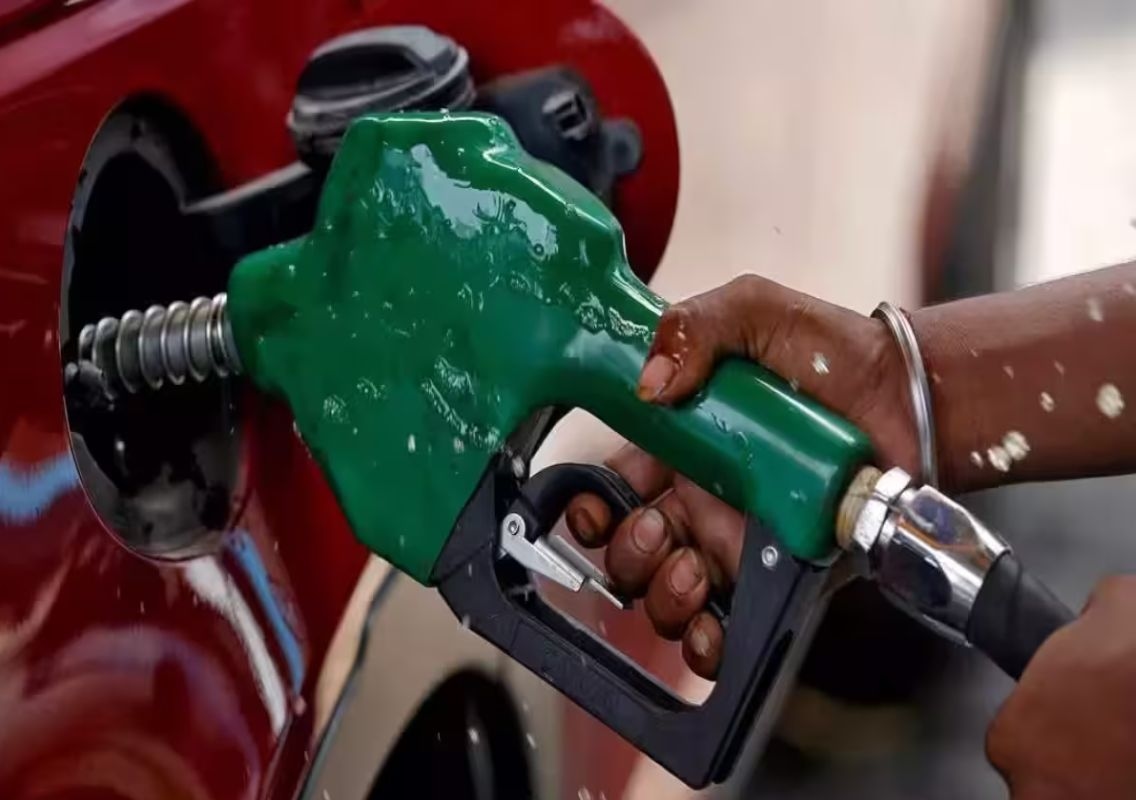


Bengaluru: Petrol and diesel prices remained largely stable across major Indian cities on Sunday, August 30, even as global crude oil prices recorded their first weekly decline in three weeks. Domestic fuel rates have remained relatively steady in recent months despite considerable volatility in international energy markets.
According to the latest fuel price data reported by LiveMint, petrol is priced at ₹111.68 per litre in Bengaluru, while diesel costs ₹99.56 per litre. In New Delhi, petrol is available at ₹102.12 per litre and diesel at ₹95.20 per litre. Mumbai residents are paying ₹111.21 per litre for petrol and ₹97.83 per litre for diesel.
The stability in retail fuel prices comes despite fluctuations in global crude markets linked to geopolitical developments, including the ongoing US-Iran conflict and uncertainty surrounding the Strait of Hormuz.
Petrol and diesel prices in major cities
Fuel rates continue to differ significantly between cities because of variations in state taxes, local levies and other components of the retail price.
| City | Petrol price | Diesel price |
|---|---|---|
| New Delhi | ₹102.12 | ₹95.20 |
| Mumbai | ₹111.21 | ₹97.83 |
| Kolkata | ₹113.51 | ₹99.82 |
| Chennai | ₹107.76 | ₹99.55 |
| Bengaluru | ₹111.68 | ₹99.56 |
| Hyderabad | ₹115.72 | ₹103.83 |
| Jaipur | ₹113.19 | ₹98.25 |
| Lucknow | ₹102.31 | ₹95.79 |
| Patna | ₹113.37 | ₹99.36 |
| Thiruvananthapuram | ₹115.49 | ₹104.40 |
The figures show that fuel prices in Bengaluru remain considerably higher than those in New Delhi. Hyderabad and Thiruvananthapuram continue to record some of the highest petrol and diesel prices among the major cities listed.
Why are fuel prices stable despite crude volatility?
India follows a dynamic fuel pricing system under which state-owned Oil Marketing Companies revise petrol and diesel prices daily, with the latest rates generally coming into effect from 6 am.
However, retail prices have not moved in line with every change in international crude prices. The latest major revision came on May 25, when petrol and diesel prices were increased by around ₹2.70 to ₹2.80 per litre, respectively.
Since then, domestic fuel prices have largely remained stable even as international oil markets experienced sharp movements.
The stability has provided some relief to consumers and businesses that depend heavily on petrol and diesel. Transport operators, logistics companies, commercial vehicle owners and households are particularly sensitive to fuel price changes because higher fuel costs can eventually feed into the prices of goods and services.
Crude oil records first weekly decline in three weeks
International crude prices moved lower during the week, breaking a two-week run of weekly gains.
Brent crude, the global benchmark, fell 0.43%, or 39 cents, to settle at $89.31 a barrel on August 28, according to Reuters data cited by LiveMint.
West Texas Intermediate crude futures also declined, falling 0.16%, or 13 cents, to settle at $83.40 a barrel.
The decline came as traders assessed developments around global monetary policy and the possibility of an agreement relating to shipping through the Strait of Hormuz.
The movement in crude prices is closely watched in India because the country imports a substantial portion of its crude oil requirements. A sustained decline in international crude prices can potentially reduce pressure on the country’s import bill and inflation, although retail fuel prices also depend on taxes, refining costs, exchange rates and the pricing decisions of oil marketing companies.
Strait of Hormuz remains a key concern
The Strait of Hormuz has emerged as one of the most important factors affecting global energy markets amid the ongoing conflict in West Asia.
The strategic waterway is a crucial route for global oil and energy shipments. Uncertainty over shipping through the strait has contributed to volatility in international crude and gas prices.
According to the report, Iranian officials said the strait remained closed, with vessels passing through it in coordination with Iran. Tehran also indicated that it was prepared for different scenarios while maintaining its position in the ongoing geopolitical situation.
Any prolonged disruption to energy shipments through the region could put upward pressure on international oil prices.
For India, such a development could increase the cost of crude imports and create additional pressure on the domestic economy.
US-Iran developments influence oil markets
Oil traders have also been monitoring developments between the United States and Iran.
Attempts to revive diplomatic discussions have remained uncertain, while the US has continued its economic pressure campaign against Tehran.
Iranian officials have indicated that discussions involving Oman and the Strait of Hormuz are continuing, although the implementation of any understanding remains dependent on wider developments.
Such uncertainty makes it difficult for global oil markets to settle into a predictable trend.
For consumers in India, the impact is not necessarily immediate. Even when international crude prices rise or fall sharply, domestic petrol and diesel prices may remain unchanged for a period depending on the decisions of oil marketing companies.
Bengaluru fuel prices remain above Delhi
For motorists in Bengaluru, the latest figures show petrol at ₹111.68 per litre and diesel at ₹99.56 per litre.
The difference compared with New Delhi is significant. Petrol in Bengaluru costs ₹9.56 more per litre than in Delhi, while diesel is ₹4.36 more expensive.
For a motorist filling a 40-litre petrol tank, the difference between Bengaluru and Delhi works out to approximately ₹382 for a full tank, based on the reported rates.
The higher retail price in Bengaluru reflects the impact of state-level taxation and other components incorporated into the final pump price.
For residents who use private vehicles regularly, even a stable fuel price can represent a substantial monthly expense.
CNG prices also under pressure
While petrol and diesel prices remained broadly stable, compressed natural gas prices moved higher in Delhi and neighbouring areas.
Indraprastha Gas Ltd increased the price of CNG in Delhi by ₹3.89 per kg on August 29, taking the price to ₹86.98 per kg.
The company attributed the revision to a sharp rise in international liquefied natural gas prices amid disruptions to gas cargo movements through the Strait of Hormuz.
The latest increase has taken the cumulative rise in Delhi CNG prices this year to nearly ₹10 per kg, according to PTI data cited in the report.
The development highlights how disruptions in international energy markets can affect different fuels in different ways.
What could happen to petrol and diesel prices?
The immediate outlook for petrol and diesel prices remains closely linked to international crude prices and geopolitical developments.
If crude prices continue to decline over an extended period, there could be greater room for domestic fuel prices to soften. However, a short-term fall in crude prices does not automatically translate into a reduction at petrol pumps.
Conversely, a renewed surge in crude prices caused by disruptions in the Strait of Hormuz or worsening geopolitical tensions could increase pressure on domestic fuel prices.
The exchange rate of the Indian rupee against the US dollar is another important factor. Since crude oil is traded internationally in US dollars, a weaker rupee can increase the cost of imports even when the dollar-denominated crude price remains unchanged.
Impact on inflation and household budgets
Petrol and diesel prices have a wider impact on the Indian economy because fuel is closely connected to transportation and logistics.
Higher diesel prices can increase the cost of transporting agricultural produce, industrial goods and consumer products. This can eventually affect wholesale and retail prices.
Petrol prices directly influence the household budgets of millions of two-wheeler and car owners.
A prolonged period of stable prices can therefore provide some predictability to consumers and businesses, even when global markets remain uncertain.
At present, the stability in domestic fuel rates contrasts with the volatility witnessed in international energy markets.
Fuel rates to remain under watch
The latest petrol and diesel prices are likely to remain a key point of interest for motorists as international crude markets respond to geopolitical developments.
For Bengaluru consumers, petrol remains priced at ₹111.68 per litre and diesel at ₹99.56 per litre as of August 30. In Delhi, the corresponding prices are ₹102.12 and ₹95.20, while Mumbai’s rates stand at ₹111.21 and ₹97.83 per litre.
Meanwhile, Brent crude has recorded its first weekly decline in three weeks, settling at $89.31 per barrel.
The next major movement in crude prices could depend on developments surrounding the Strait of Hormuz, US-Iran relations, global supply conditions and broader financial-market expectations.
Conclusion
Petrol and diesel prices across major Indian cities remained largely stable on August 30, even as international crude oil recorded its first weekly decline in three weeks.
Bengaluru motorists are currently paying ₹111.68 per litre for petrol and ₹99.56 per litre for diesel. The corresponding rates in Delhi are ₹102.12 and ₹95.20, while Mumbai has petrol at ₹111.21 and diesel at ₹97.83 per litre.
Brent crude fell 0.43% during the latest session to settle at $89.31 per barrel, while WTI crude settled at $83.40. The decline followed two weeks of gains and came amid continued uncertainty surrounding global energy supplies and the Strait of Hormuz.
Although domestic fuel prices have remained relatively stable, consumers will continue to watch global crude prices closely. Any prolonged change in international oil prices, geopolitical tensions or shipping disruptions could eventually influence India’s fuel market.
For now, however, motorists in Bengaluru and other major cities can expect broadly stable petrol and diesel rates, even as the global energy market remains closely tied to developments in West Asia.