







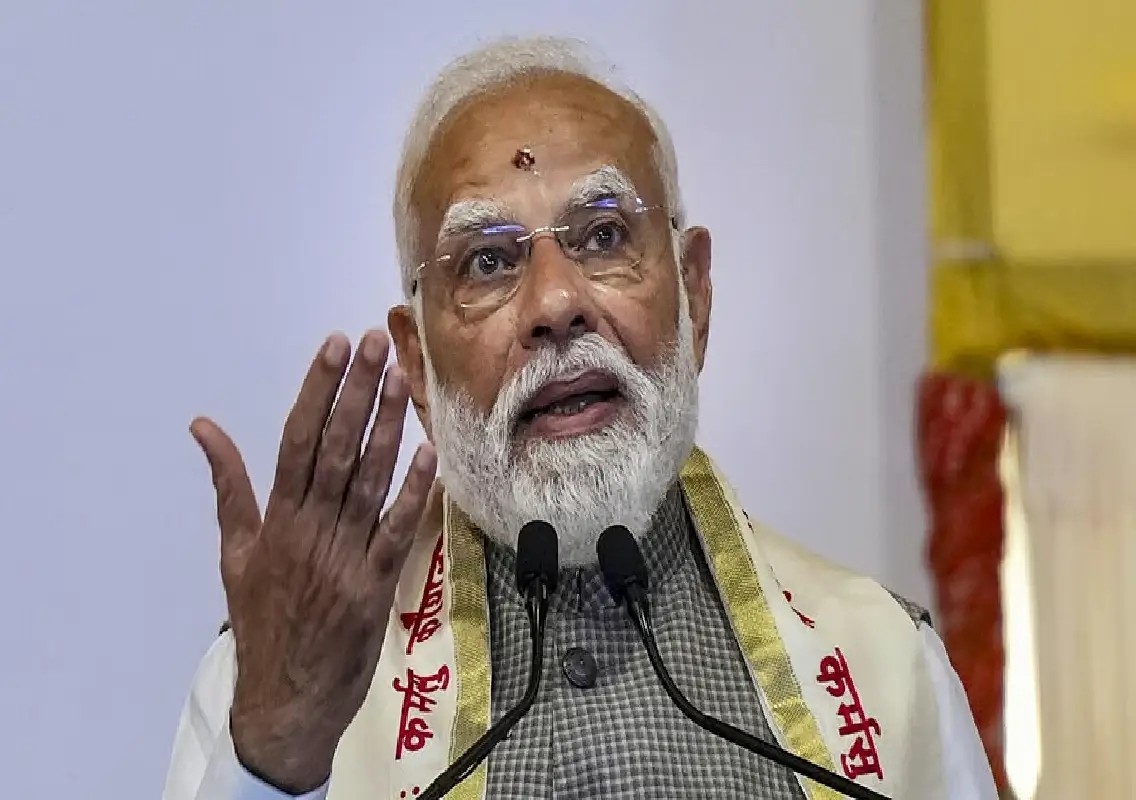


Bengaluru: Prime Minister Narendra Modi’s recent appeal encouraging citizens to save fuel by using public transport and carpooling has once again drawn attention to Bengaluru’s struggling carpooling ecosystem.
Industry players and commuters say the sector has failed to recover fully after the Karnataka Transport Department briefly proposed a ban on carpooling services in 2023, creating uncertainty that continues to affect both users and operators.
Although the proposed ban was later withdrawn, the lack of clear government guidelines has reportedly left the industry functioning in a grey area, impacting adoption and business growth.
Confusion over legality affects carpooling platforms
The Transport Department had initially considered banning app-based carpooling operations, citing safety concerns and the use of unverified whiteboard vehicles for commercial activity.
However, following criticism and discussions with stakeholders, the department announced that instead of imposing a ban, it would frame guidelines regulating carpooling operations in Karnataka.
More than two years later, the proposed guidelines are yet to be released.
Industry representatives say the prolonged delay has created confusion among commuters and corporate organisations regarding the legality of carpooling services.
KNM Rao, founder and chief executive officer of Quick Ride, said the absence of official guidelines has severely affected the sector.
According to him, there is now a widespread perception among the public that carpooling itself is illegal, even though no formal ban exists.
Rao stated that many large companies, including major IT firms that earlier encouraged employees to carpool, have withdrawn support due to uncertainty surrounding regulations.
He said companies frequently ask for official government documentation and approvals regarding carpooling operations, but service providers themselves do not receive any formal framework from authorities.
Industry yet to recover from pandemic and policy setback
Quick Ride currently records around 20,000 bookings per day during peak weekdays such as Tuesdays and Thursdays, when office attendance is highest among Bengaluru’s corporate workforce.
However, Rao noted that the present figures are only about one-third of pre-Covid booking levels.
He claimed that although many commuters remain interested in carpooling due to rising fuel prices and worsening traffic congestion, uncertainty surrounding regulations has made users apprehensive about adopting the service.
Rao urged large-scale IT companies and technology parks to actively promote carpooling once again, especially in traffic-heavy corridors such as the Outer Ring Road (ORR).
According to him, widespread adoption of organised carpooling could potentially remove nearly one lakh private vehicles from Bengaluru roads every day, significantly easing congestion and reducing fuel consumption.
Commuters report shrinking carpooling options
The uncertain policy environment has also affected smaller carpooling platforms and commuter choices.
Abhishek Menon, a 28-year-old IT professional, said he earlier used the app Go Pool for airport travel because it allowed passengers travelling at similar times to share rides and split costs.
However, he noted that the app now appears inactive and non-functional.
Attempts to access the platform reportedly resulted in multiple technical errors, indicating that the service may have shut down or reduced operations.
Commuters say the decline in app-based ride-sharing options has reduced affordable alternatives for airport and office commuting in the city.
Rapido tests shared mobility feature
In an effort to revive shared mobility culture, Rapido has introduced an ‘Auto Seat Share’ feature on select routes in Bengaluru on a pilot basis.
According to a company spokesperson, the feature is currently being tested with a refined pricing model aimed at providing better savings for users while ensuring stable earnings for auto drivers.
The pilot initiative is also intended to encourage ride-sharing behaviour during periods of unpredictable demand and supply fluctuations in the city.
Industry observers believe shared mobility options such as carpooling and seat-sharing could play an important role in reducing traffic congestion and improving urban transport efficiency if backed by clear regulations.
State seeks central guidelines
Karnataka Transport Minister Ramalinga Reddy said the state government has neither banned nor interfered with carpooling platform operations.
He clarified that the government has not disrupted the functioning of such services and maintained that the issue of formal guidelines should ideally be addressed at the national level.
According to the minister, the Centre should take the initiative in framing uniform norms and regulatory guidelines for carpooling operations, noting that no state currently has a comprehensive regulatory framework for the sector.
The continuing uncertainty has left Bengaluru’s carpooling industry in limbo at a time when concerns over traffic congestion, fuel costs, and environmental sustainability are becoming increasingly urgent.
Industry stakeholders believe that clear policies, corporate participation, and public awareness could help revive carpooling as a practical urban mobility solution for Bengaluru.