







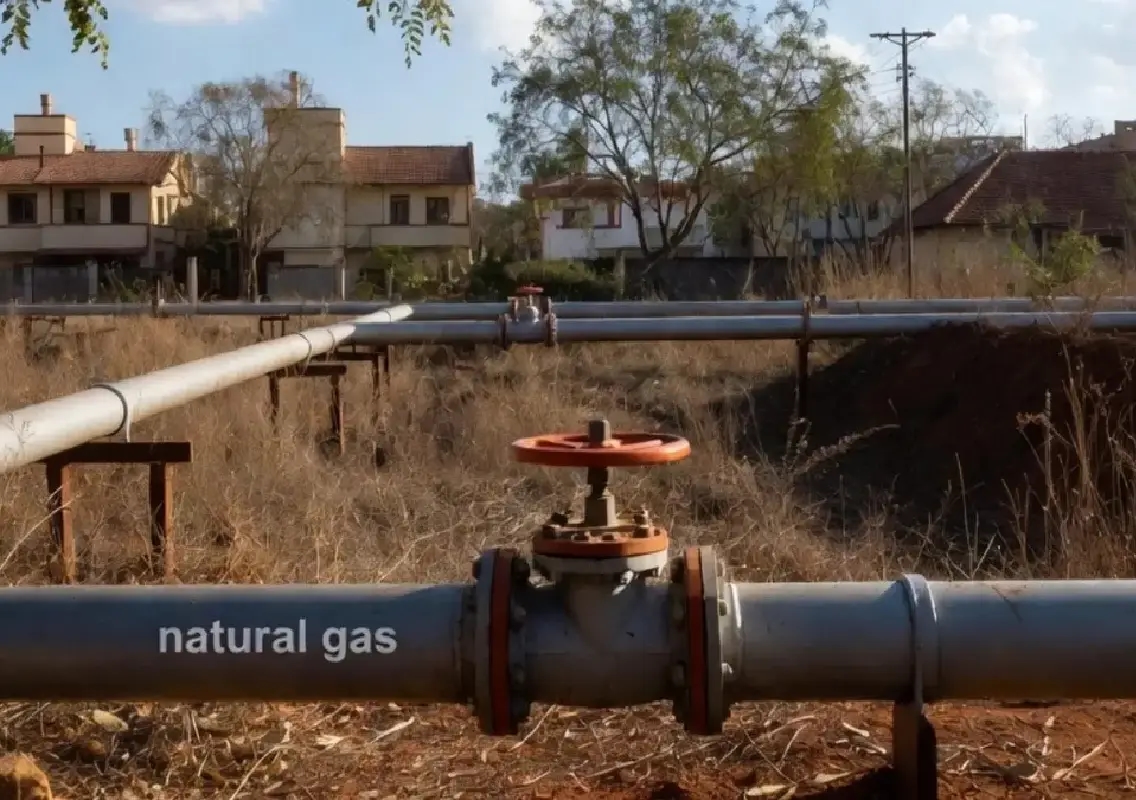


Amid rising concerns over LPG supply due to the ongoing West Asia crisis, the Karnataka government has approved the expansion of piped natural gas (PNG) connections to over 25,000 households and 69 commercial establishments in Bengaluru.
Push for PNG amid fuel uncertainty
The move is aimed at reducing dependence on LPG and ensuring a stable energy supply for both residential and commercial users. Areas with high demand, especially in the city’s outskirts, have been prioritised for the rollout.
Commercial establishments identified for PNG supply include restaurants, hotels, and cafés, with a combined LPG consumption of over 6,500 kg per day.
Road cutting likely to disrupt traffic
However, the project is expected to cause significant inconvenience to commuters, as laying gas pipelines will require extensive road cutting across several parts of the city.
Key areas identified for the expansion include Sarjapur Main Road, HSR Layout, JP Nagar, Malleshwaram, and Yelahanka—many of which are already prone to heavy traffic congestion.
Government seeks urgent approvals
In a letter dated March 17, Chief Secretary Shalini Rajneesh directed the Greater Bengaluru Authority (GBA) and four city corporations—South, North, East, and West—to grant road-cutting permissions on a “priority and emergency basis.”
Authorities have also been advised to secure a ₹50 lakh bank guarantee from the implementing agency to ensure proper restoration of roads after pipeline installation.
Resistance and policy challenges
The directive comes despite a previous freeze on road-cutting permissions over the past year, due to concerns raised by local representatives and traffic police over worsening road conditions and congestion.
Notably, areas under the Bengaluru Central City corporation have not been included in the current phase of the rollout.
Balancing infrastructure and commuter impact
The expansion follows last year’s city gas distribution policy, which significantly reduced pipeline installation charges from ₹1,957 per metre to just ₹1. While this has accelerated PNG adoption, it has also raised concerns about the financial burden on civic bodies responsible for road maintenance.
A step towards long-term energy security
Despite the immediate inconvenience, experts say the shift towards PNG could provide long-term benefits, including cost savings, uninterrupted supply, and reduced reliance on LPG cylinders.
As Bengaluru continues to expand, the challenge lies in balancing infrastructure development with minimal disruption to daily life.