









Bengaluru: Ride-hailing aggregators Rapido and Namma Yatri have raised strong concerns over the new arrivals pick-up system introduced at Kempegowda International Airport (KIA), warning that the changes could increase fares, inconvenience passengers, and create an uneven playing field that favours select operators.
Aggregators warn of impact on passenger convenience
Reacting to the revised pick-up access norms, a Rapido spokesperson said the new system risks affecting passenger choice and ease of travel, especially for those arriving at the airport after long journeys. According to the company, forcing commuters to walk longer distances, navigate unclear pick-up points, or depend on limited mobility options could add unnecessary friction to the arrival experience.
Rapido cautioned that such restrictions, when sustained over time, could contribute to higher fares across the airport mobility ecosystem. Airport trips, which are already priced higher than regular city rides, may become even more expensive as access becomes restricted to fewer service providers.
Namma Yatri calls system impractical and exclusionary
Namma Yatri echoed similar concerns, stating that the new rules make airport arrivals particularly difficult for passengers travelling with luggage, children, senior citizens, or those with mobility challenges. The aggregator said that while it supports the airport’s objective of maintaining safe and orderly traffic movement, the current model is neither practical nor equitable.
The company argued that all passengers should have access to clear and nearby pick-up points, irrespective of the cab app or service they choose. According to Namma Yatri, the present framework effectively privileges a few authorised operators while disadvantaging others, limiting genuine consumer choice.
New pick-up system and overstay charges explained
Bangalore International Airport Limited (BIAL), which operates KIA, recently implemented changes to the arrivals pick-up process. As part of this, BIAL began levying an ‘overstay charge’ on private and commercial vehicles from December 11 at Terminal 2 and from December 13 at Terminal 1.
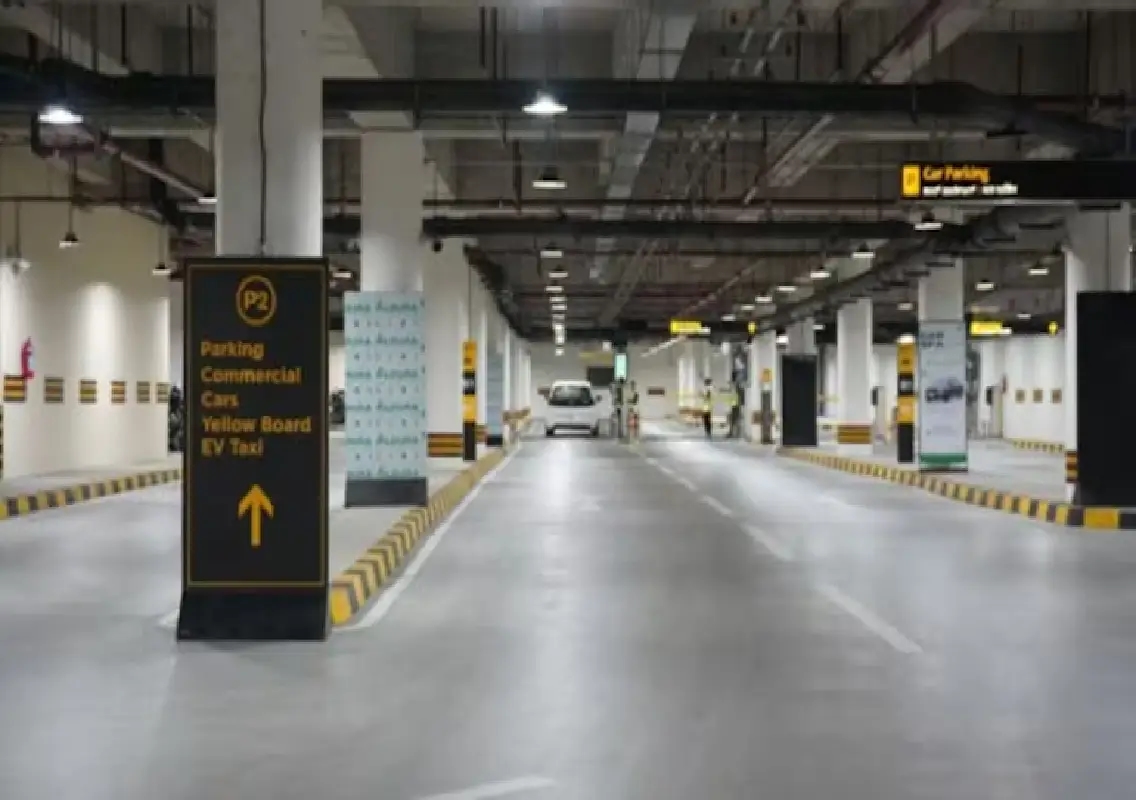
Under the revised system, only BIAL-authorised taxi operators are allowed kerbside access at the terminals. These include services such as KSTDC, Mega, Uber, Ola, Quick Ride, OHM Electric Cabs and WTI. Other mobility platforms and operators are required to wait in designated parking areas away from the terminal frontage.
Higher costs passed on to passengers
Authorised cab operators pay annual access fees to BIAL for the use of dedicated airport parking bays and kerbside zones. These costs are typically passed on to passengers in the form of airport access charges. For example, Uber levies an airport surcharge of around ₹250 per trip, in addition to a toll charge of approximately ₹120, both of which are billed to customers.
Rapido and Namma Yatri argue that limiting kerbside access to fee-paying operators indirectly pushes passengers towards higher-priced options, reducing affordability for regular travellers, airport staff, and frequent flyers.
Driver livelihoods also affected
Beyond passenger inconvenience, the aggregators highlighted the impact on drivers, often referred to as captains, who rely on airport trips for steady and predictable income. Rapido said unequal access reduces ride opportunities, increases idle waiting time, and directly affects daily earnings, particularly for drivers who plan their working hours around airport demand.
Namma Yatri added that thousands of drivers and small fleet owners could see their livelihoods affected if access continues to remain restricted. The company stressed that a level playing field is essential not only for passenger convenience but also for protecting driver incomes in an already competitive mobility market.
Impact on independent drivers and travel agents
The new rules have also affected independent drivers who operate through informal networks such as Telegram and WhatsApp groups, commonly known as ‘duty groups’. These groups offer direct airport rides without surge pricing, commissions, or aggregator service charges, making them a popular option for cost-conscious travellers.
In addition, travel agents and hotels that arrange airport pick-ups for VIPs and guests have reportedly faced disruptions, as their vehicles no longer enjoy direct terminal access unless authorised by BIAL.
Call for consultation and balanced solutions
Both Rapido and Namma Yatri have called for meaningful stakeholder consultation to arrive at a fair and practical solution. Rapido emphasised that airports are high-demand public infrastructure and that commuter convenience, particularly for elderly passengers, families, airport staff and frequent flyers, must remain central to any traffic management policy.
Namma Yatri said Bengaluru can balance security and traffic flow without compromising affordability and accessibility, provided all operators are treated equally and passenger needs are prioritised.
Conclusion
The controversy over Bengaluru airport’s new pick-up rules highlights the tension between traffic management, commercial arrangements, and commuter convenience. While BIAL aims to streamline vehicle movement at the terminals, aggregators warn that restricted access could lead to higher fares, reduced choice, and financial strain on drivers. As the debate continues, stakeholders are urging authorities to adopt a more inclusive framework that ensures safe, smooth, and affordable airport travel for all.