







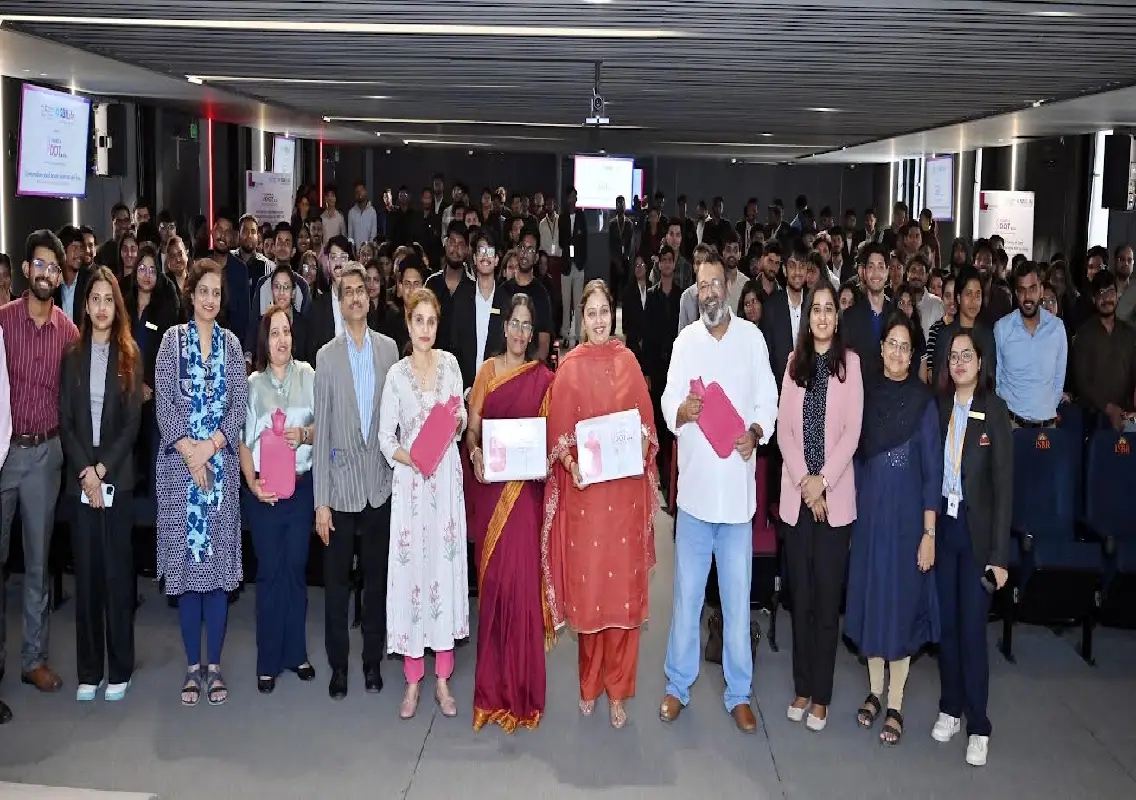


Bengaluru: Marking 25 years of operations as one of India’s leading private life insurers, SBI Life Insurance has taken forward its flagship breast cancer awareness initiative, ‘Thanks A Dot’, with an interactive session at ISBR Business School in Bengaluru.
The initiative aims to normalise conversations around breast health, particularly among young adults, and encourage proactive discussions on preventive care. As part of its outreach, SBI Life plans to engage students across colleges pan India through similar sessions.
Interactive session with medical experts
The company recently organised an awareness session for over 100 postgraduate management students at ISBR Business School. The session was led by Mr. Ravindra Sharma, Chief – Brand, Corporate Communication & CSR, SBI Life, along with Dr. Poovamma C U, Head of Department for Breast Oncology & Oncoplasty at Aster CMI Hospital.
The discussion focused on identifying early warning signs of breast cancer, breaking social taboos and taking proactive steps towards health and early detection. Students were encouraged to understand the importance of self-examination and timely medical consultation.
Dr. Veena Shenoy, Head SDG’s Impact and Associate Professor at ISBR Business School, supported the initiative by urging students to prioritise their well-being and long-term security. She highlighted the role of educational institutions in promoting health literacy and preventive practices.
Organisers said the session left participants better informed, more confident and motivated to adopt a proactive approach towards personal health and preparedness.
Breaking stigma through symbolism
‘Thanks A Dot’, SBI Life’s flagship breast cancer awareness initiative, uses a simple hot water bag as a symbolic reminder to spark conversations about breast health. The campaign seeks to reduce hesitation and stigma associated with discussing breast cancer by introducing the topic in an approachable and non-threatening manner.
By equipping young people with awareness and practical knowledge about self-examination, the initiative aims to instil a life-saving skill at an early stage. The programme also encourages students to carry forward these conversations within their families and communities, helping normalise breast health as a “living room conversation”.
Speaking about the initiative, Mr. Ravindra Sharma said, “College students, especially young women, are at a stage where developing healthy habits can have a lasting impact. Through SBI Life’s ‘Thanks A Dot’ initiative, we aim to raise awareness about breast cancer, the importance of self-examination and early detection, while highlighting how small behavioural changes can make a significant difference in preventive care.”
He added that campuses provide a vital platform to foster early awareness, encourage responsible health practices and instil habits that positively influence both health and financial decisions.
“With this initiative, we hope to create an environment where conversations around breast health are open, accessible and stigma-free, empowering women to take charge of their well-being from an early age,” he said.
Aligning with sustainable development goals
Dr. Veena Shenoy emphasised that awareness initiatives such as these contribute to larger public health objectives.
“True impact lies in empowering people with knowledge that can save lives. Through this breast cancer awareness initiative, we strengthen our commitment to SDG 3 – Good Health & Well-being. Together with SBI Life, we stand for prevention, courage and hope,” she said.
Breast cancer remains one of the most common cancers affecting women globally. Health experts consistently stress that early detection through regular self-examination and medical screening significantly improves treatment outcomes.
Expanding outreach nationwide
Through its college outreach programme, SBI Life aims to expand the reach of the ‘Thanks A Dot’ initiative to educational institutions across the country. The focus remains on fostering behavioural change, encouraging preventive health practices and building long-term awareness among India’s youth.
By targeting young adults at formative stages of their lives, the company seeks to embed health-conscious habits that can reduce risks in the future.
As Bengaluru continues to be a hub for higher education and youth engagement, initiatives such as this reflect a growing collaboration between corporates, healthcare professionals and academic institutions in advancing public health awareness.