







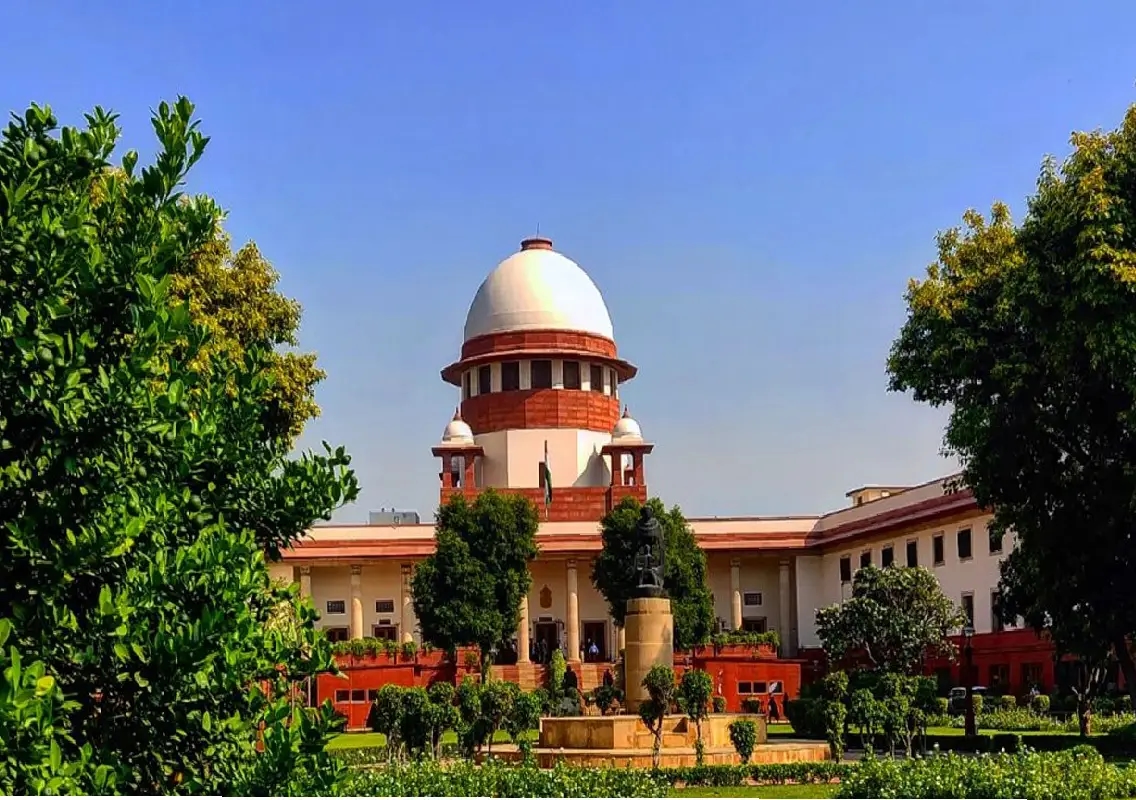


Bengaluru: The Supreme Court’s dismissal of Tamil Nadu’s plea against the Mekedatu balancing reservoir has strengthened Karnataka’s procedural standing, but experts warn that the state’s real challenges begin now. While the verdict has removed a key hurdle, Karnataka must prepare a fresh and fully defensible detailed project report (DPR) before any construction-related approvals can be pursued.
Fresh DPR to be Karnataka’s biggest task
Officials say that Karnataka cannot reuse the 2018–19 DPR, as the Supreme Court’s observations and current environmental standards require a wholly updated document. The revised DPR will have to incorporate contemporary hydrological data, new ecological assessments, forest-land calculations and updated socio-environmental surveys.
Experts note that this process alone may take months. Comprehensive field surveys must be carried out again, including river-flow analyses, sedimentation studies, wildlife impact assessments and detailed mapping of the area proposed for submergence. Only after the Central Water Commission (CWC) accepts the DPR can Karnataka approach other agencies for mandatory clearances.
SC stresses technical evaluation
Calling Tamil Nadu’s plea “premature”, the Supreme Court bench reiterated that Cauvery water-sharing disputes must be guided by technical bodies such as the Cauvery Water Management Authority (CWMA) and the Cauvery Water Regulation Committee (CWRC).
For Karnataka, this means the verdict merely removes an initial procedural roadblock but does not amount to construction approval. Tamil Nadu has emphasised this point, with its water resources minister Duraimurugan stating that the state will continue to raise objections before CWMA and CWC. Political leaders in Tamil Nadu, including former MP Anbumani Ramadoss, have urged the state government to explore a review petition.
Forest land submergence a major hurdle
One of the most difficult components of the new DPR will be determining the extent of forest land likely to be submerged. Officials estimate that the proposed reservoir spans sections of the Cauvery Wildlife Sanctuary, an ecologically sensitive zone. Conservation groups have already warned that more than 5,000 hectares of forest land could be affected, disrupting wildlife movement corridors and threatening fragile ecosystems.
Under existing forest and wildlife protection laws, any diversion of forest land for non-forest use demands rigorous scrutiny, multi-level approvals and compensatory afforestation. Karnataka has identified alternative land parcels in Ramanagara, Mandya and Chamarajanagar districts to compensate for potential loss, but securing central approval for these parcels will be a lengthy and complex process.
Political weight and groundwork
Deputy Chief Minister and water resources minister D K Shivakumar, who led a high-profile padayatra from Mekedatu to Bengaluru in 2021, is determined to push the project forward. The Congress government considers Mekedatu politically significant, particularly after consolidating its position in the 2023 assembly polls.
Project offices have already been set up in Harobele and Ramanagara to streamline groundwork. However, clearances from the CWC, Central Electricity Authority and the Union Ministry of Environment, Forest and Climate Change remain pending. Each agency requires multi-stage appraisals, inspections and consultations with affected local communities.
Experts urge caution and collaboration
Water-policy specialists advise Karnataka to adopt a measured approach. K Vignesh Kumar, a hydrology expert, argues that the state must work to build confidence with Tamil Nadu. “The court order gives Karnataka space to submit updated data, but the project cannot progress unless downstream concerns are fully addressed,” he said.
Former chief minister Basavaraj Bommai also urged the government to avoid projecting Mekedatu as a political victory. He emphasised the need for a collaborative approach with the Centre, technical bodies and neighbouring Tamil Nadu to prevent fresh tensions.
Conclusion
While the Supreme Court’s ruling has cleared an initial procedural obstacle, Karnataka faces a long road ahead. From preparing an exhaustive and defensible DPR to navigating environmental clearances and inter-state negotiations, the Mekedatu project is far from ready for execution. The next phases will determine whether the state can balance developmental aspirations with environmental compliance and regional cooperation.