







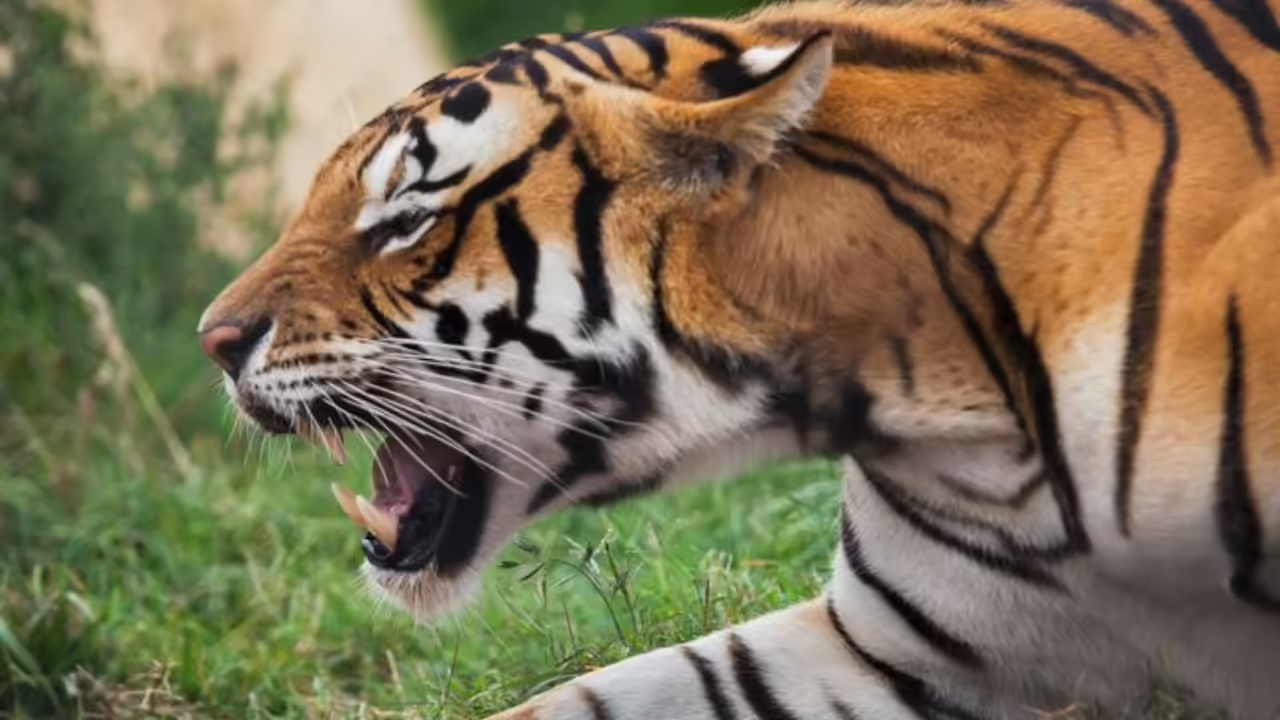


Nearly 70 per cent of human deaths caused by wild animal attacks in Karnataka have been reported from just seven districts in the old Mysuru and Malnad regions since 2022–23, underlining the severity of human–wildlife conflict in these forest-adjacent areas.
According to data from the Karnataka Forest Department, a total of 203 people lost their lives in wild animal attacks across the state between 2022–23 and November 2025. Of these, 142 deaths occurred in Mysuru, Mandya, Hassan, Chamarajanagar, Kodagu, Shivamogga and Chikkamagaluru, accounting for almost 70 per cent of the fatalities.
Chamarajanagar tops fatality list
Replying to a question raised by Belthangady MLA Harish Poonja in the Assembly, Forest Minister Eshwar B Khandre said Chamarajanagar district recorded the highest number of human deaths, with 40 fatalities caused by wild animal attacks during the period.
Other districts with high death tolls include:
- Kodagu – 32 deaths
- Mysuru – 25 deaths
- Hassan – 19 deaths
- Chikkamagaluru – 18 deaths
- Shivamogga – 6 deaths
- Mandya – 2 deaths
These districts are largely located along forest fringes, wildlife corridors, and protected areas, making them particularly vulnerable to animal incursions.
2023–24 saw highest number of deaths
The data shows that 2023–24 was the most deadly year in recent times, with 65 human deaths reported due to wild animal attacks. In the current 2025–26 period, 35 deaths have already been recorded up to November, indicating that the issue remains persistent despite mitigation efforts.
Forest officials attribute many of the incidents to encounters involving elephants, leopards, tigers, and wild boars, particularly during early morning and late evening hours when people are active in farmlands and forest fringes.
Farmers call for permanent solutions
Reacting to the data, Honnur Prakash, a farmers’ leader from Chamarajanagar, said that while there has been a slight reduction in wild animal intrusion following restrictions on forest safaris, the problem is far from resolved.
“We need a permanent solution to this problem,” he said.
Prakash pointed out that civil works inside forests, including lake rejuvenation and borewell projects, are disturbing wildlife habitats and forcing animals to venture outside forest boundaries in search of water and food.
Need for training and proactive measures
Farmers’ groups have also highlighted the lack of preparedness at the grassroots level. According to Prakash, many farmers and rural residents are not trained to respond safely when they encounter wild animals.
“The forest department must become more proactive,” he said, calling for regular awareness programmes, early-warning systems, rapid response teams, and better coordination with local communities.
A growing challenge for Karnataka
Human–wildlife conflict has emerged as one of the most pressing challenges in Karnataka’s forest belt, particularly in Malnad and old Mysuru regions, where agricultural lands, villages, and wildlife habitats often overlap.
Experts warn that unless habitat management, community training, and long-term ecological planning are strengthened, fatalities may continue despite compensation schemes and reactive measures.
As the state balances conservation goals with human safety, the concentration of deaths in a few districts serves as a stark reminder that targeted, region-specific interventions are urgently needed.