







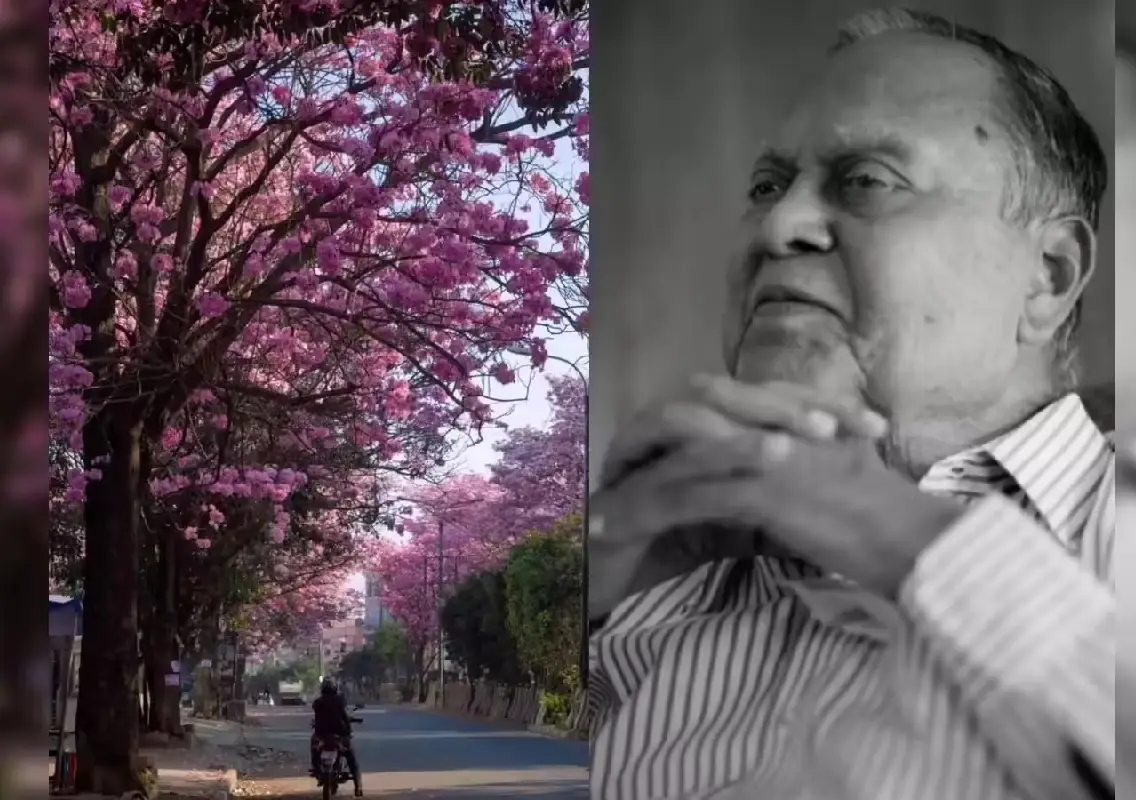


Every summer, Bengaluru’s streets burst into breathtaking shades of pink as thousands of trees bloom across the city. Behind this vibrant transformation stands the remarkable work of an Indian Forest Service (IFS) officer whose vision and dedication reshaped the city’s urban landscape.
The man behind Bengaluru’s pink summers
The spectacular pink blossoms seen across Bengaluru come largely from Tabebuia rosea, a flowering tree species known for its stunning seasonal bloom. The widespread planting of these trees across the city is widely credited to former IFS officer S G Neginhal, who led an ambitious tree plantation movement during his tenure in Karnataka.
Through persistent efforts and large-scale plantation drives, Neginhal is believed to have helped plant around 15 lakh trees across Bengaluru and surrounding regions.
Today, many of those trees line major roads, parks and residential areas, creating the beautiful “pink summer” phenomenon that residents eagerly wait for every year.
A vision for greener cities
During his career in the Karnataka Forest Department, Neginhal strongly advocated urban greening and ecological restoration. At a time when rapid urbanisation threatened Bengaluru’s green cover, he pushed for large-scale planting initiatives to protect the city’s environmental balance.
The choice of Tabebuia trees proved particularly successful because they adapt well to urban conditions and require relatively low maintenance.
When the flowering season arrives, entire stretches of roads and neighbourhoods are covered with pink blossoms, often drawing comparisons to famous cherry blossom displays around the world.
A lasting environmental legacy
Urban planners and environmentalists say the plantations not only beautified the city but also improved urban biodiversity, air quality and shade cover.
Over the years, Bengaluru’s pink blossom season has become a much-loved annual spectacle for residents and photographers alike, turning streets and parks into vibrant floral corridors.
The transformation serves as a reminder of how thoughtful environmental leadership can leave a lasting impact on a city.
For many Bengalureans, the pink blooms are more than just seasonal beauty — they are a symbol of one officer’s enduring commitment to building a greener and healthier urban future.