







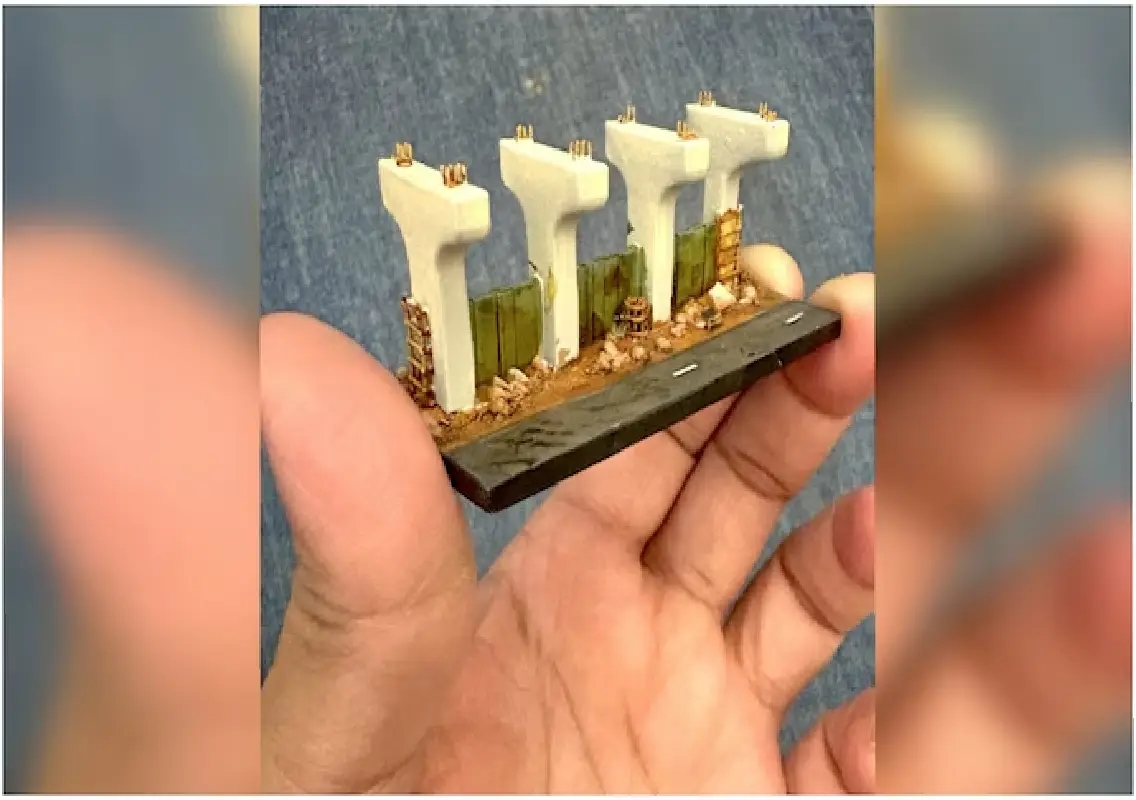


Bengaluru: A tongue-in-cheek tribute by a city-based woman to the long-delayed Ejipura flyover has struck a chord with social media users, after her customised fridge magnet featuring the incomplete structure went viral on X, triggering humour, sarcasm and renewed discussion around civic delays.
Everyday humour meets civic frustration
In her post, the woman shared two photographs — one of a commonly available Basavanagudi fridge magnet celebrating the heritage locality, and another of a customised magnet depicting the perpetually incomplete Ejipura flyover. She wrote that her “long association” with the flyover made it impossible to exclude it, jokingly turning the stalled infrastructure project into refrigerator art.
The light-hearted post quickly gained traction, with users appreciating the humour while also pointing to the flyover’s status as a symbol of administrative inertia. Many saw the magnet as a creative way of capturing a shared urban experience — living alongside a project that seems frozen in time.
Ejipura flyover as a civic symbol
The Ejipura flyover has been under construction for close to eight years and has repeatedly featured in public discourse around delays, cost escalations and safety concerns. Initially planned to ease congestion between key neighbourhoods, the project has instead become a visual reminder of stalled development, with concrete pillars standing incomplete for years.
For many residents, the flyover is no longer just an infrastructure project but a metaphor for unfulfilled promises. The viral magnet tapped into this sentiment, transforming frustration into humour and giving citizens a way to laugh at a problem that has otherwise caused daily inconvenience.
Social media reactions pour in
The comments section of the post reflected a mix of wit, sarcasm and exasperation. One user joked, “You forgot to add the cracks that have recently been observed in the pillars. Maybe try banging the magnet on the fridge door before sticking it.” Another quipped, “Ejipura flyover 2036 is so good!”, mocking the uncertainty around its completion timeline.
Several users admired the contrast highlighted in the post. “The Basavanagudi sign is so cute! Ejipura flyover is just genius,” one comment read, pointing to the juxtaposition of cultural heritage and urban dysfunction. Others added their own satirical touches, with one remarking, “Mounds of trash under Ejipura flyover seems missing in your figurine.”
From inconvenience to unlikely legacy
Some users reflected on how the flyover might be remembered in the city’s history. “Ouch, is this how Ejipura is to go down in history?” one asked, while another tongue-in-cheek comment declared, “Ejipura’s incomplete flyover need to be protected. That is Bangalore’s treasure.”
These reactions underscored how prolonged delays can turn public works into cultural references. What was meant to be a functional piece of infrastructure has instead become part of Bengaluru’s collective memory — often cited in conversations about governance, planning and accountability.
Creativity as commentary
Urban observers say such viral moments highlight how citizens increasingly use creativity and humour to comment on civic issues. Fridge magnets, memes and social media posts have become tools for public commentary, allowing residents to express dissent or fatigue without overt confrontation.
The customised magnet also reflects a growing trend of hyper-local souvenirs that capture not just the pride but also the peculiar frustrations of city life. By placing the flyover alongside a beloved heritage symbol, the creator subtly pointed to the contrasts that define Bengaluru — tradition and technology, charm and chaos, aspiration and delay.
A reminder beyond the joke
While the post entertained thousands online, it also reignited conversations about the need for timely completion of public infrastructure projects. Civic activists noted that humour should not distract from the real issues of commuter safety, financial accountability and urban planning.
The Ejipura flyover continues to draw criticism over its prolonged construction period, rising costs and concerns about the condition of partially built structures. For residents living nearby, the daily realities include traffic bottlenecks, dust and safety risks.
Conclusion
The viral fridge magnet may have started as a personal joke, but it resonated widely because it captured a shared civic experience. By turning the incomplete Ejipura flyover into a piece of refrigerator art, a Bengaluru resident managed to blend humour with subtle protest, reminding the city that even stalled concrete structures can leave a lasting imprint — not just on roads, but on popular culture.