







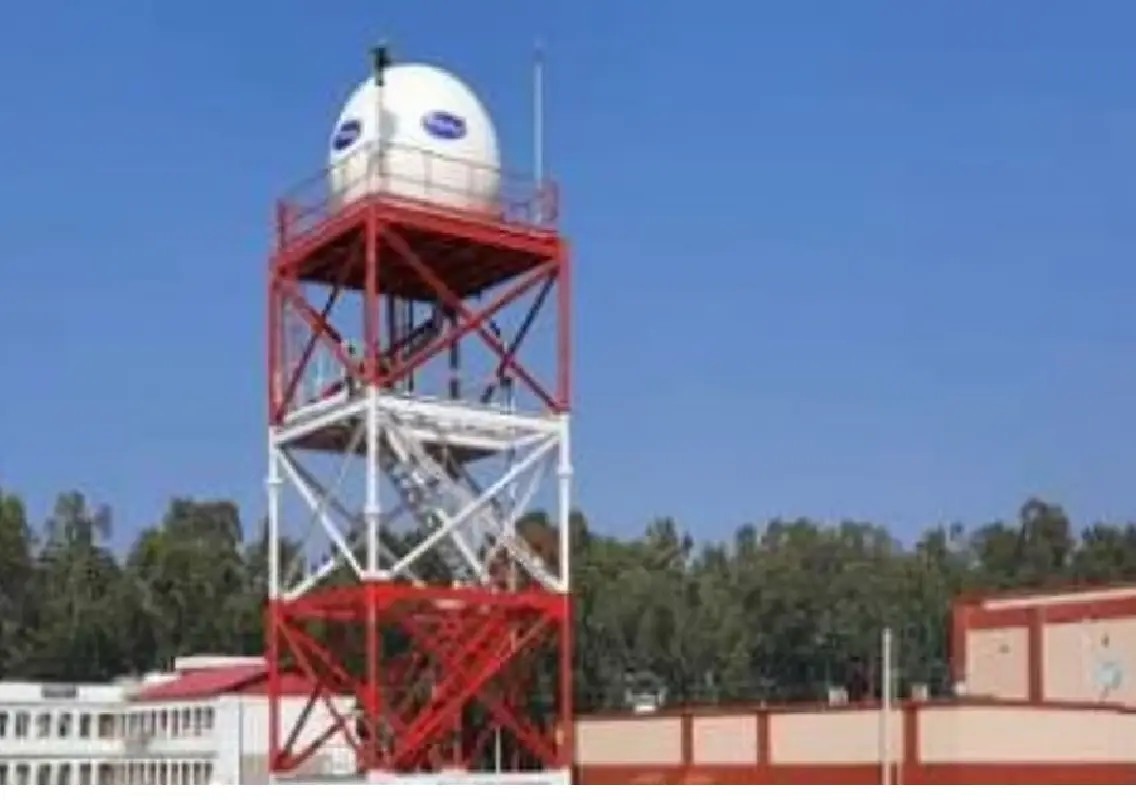


Repeated spells of heavy rain and strong winds in Bengaluru have once again highlighted a critical gap in the city’s weather preparedness — the absence of a dedicated Doppler weather radar.
Missing radar exposes forecasting gap
Despite being one of India’s fastest-growing urban centres, Bengaluru still lacks a fully operational Doppler radar system. Experts say this has limited the accuracy of short-term weather predictions, especially during sudden pre-monsoon showers and thunderstorms.
A Doppler radar plays a crucial role in tracking rainfall intensity, wind movement, and storm development in real time, enabling timely alerts for citizens and authorities.
Logistics delay installation plans
Plans to install a radar by the India Meteorological Department have reportedly faced delays due to logistical and site-related challenges. Identifying suitable land, ensuring clear line-of-sight, and meeting technical requirements have slowed progress.
Officials indicate that while the need for such infrastructure has been recognised, execution has not kept pace with the city’s rapid growth.
Impact during extreme weather
The absence of a Doppler radar has become particularly evident during intense rain events, where localised flooding and sudden weather shifts catch authorities off guard. Accurate and hyperlocal forecasts could help civic agencies respond faster and manage traffic, drainage, and emergency services more effectively.
Residents too face inconvenience due to unpredictable weather patterns, especially during peak commuting hours.
Urgent need for upgrade
Weather experts stress that with climate variability increasing, Bengaluru requires stronger forecasting tools to enhance preparedness. Installing a Doppler radar is seen as essential for improving early warning systems and minimising damage during extreme conditions.
Looking ahead
Authorities are expected to revisit the installation process and resolve pending challenges. As the city braces for the upcoming monsoon, the need for advanced weather monitoring infrastructure remains more pressing than ever