







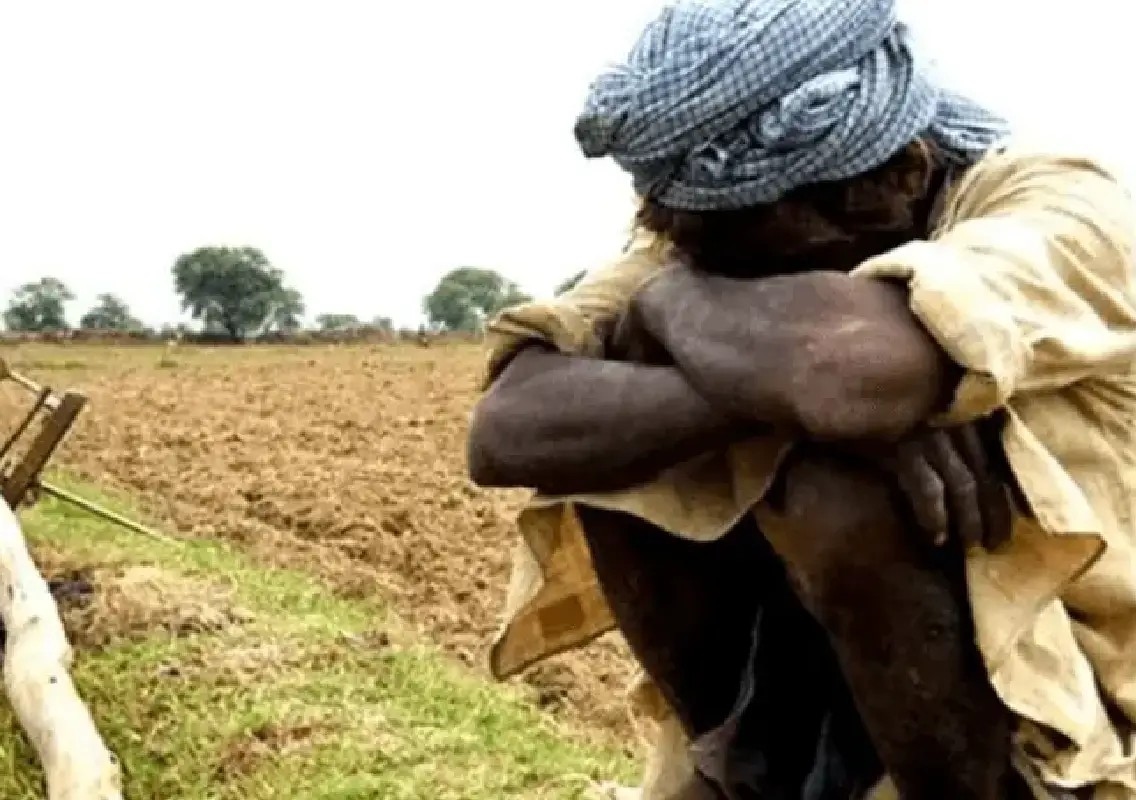


A series of tragic wildlife attacks in Karnataka’s Saragur taluk has reignited concerns over the increasing conflict between humans and wild animals, leaving farming communities fearful and demanding stronger protection measures.
The issue came into sharp focus after Madhava Gowda, a farmer from Badagalapura village, lost both eyes in a tiger attack while working in his field in October 2025. Days later, two more lives were lost in separate tiger attacks, deepening anxiety across villages bordering forest areas.
Fear replaces routine in rural communities
Residents say daily life has changed dramatically. Farmers are reluctant to enter fields alone, labourers avoid working during dawn and dusk, and families constantly worry about the safety of loved ones.
For many, the threat extends beyond tigers. Elephants, deer, monkeys, gaur and other wild animals frequently damage crops and livelihoods, adding financial stress to emotional trauma.
According to Forest Department records, Karnataka reported more than 35,500 wildlife conflict incidents during 2024-25, with elephant-related cases accounting for over 22,000 incidents.
Conservation success brings new challenges
Experts note that wildlife populations have recovered in several regions, a major conservation achievement. However, shrinking habitats, fragmented wildlife corridors, expanding infrastructure and pressure on forest resources are pushing animals closer to human settlements.
Environmentalists argue that compensation after attacks alone cannot solve the problem. They stress the need for habitat restoration, protection of wildlife corridors and better management of forest ecosystems.
Need for long-term solutions
Farmers and community leaders are calling for stronger monitoring systems, real-time wildlife alerts, improved emergency response mechanisms and increased patrolling in conflict-prone areas.
Many residents say the greatest frustration is not only the presence of dangerous animals but delays in official responses during emergencies.
Experts believe coexistence between people and wildlife remains possible, but only if conservation efforts are accompanied by measures that ensure the safety, dignity and livelihoods of local communities.
As Karnataka continues to balance ecological protection with rural welfare, the experiences of families in Saragur serve as a reminder that conservation must protect both wildlife and the people living alongside it.