









Bengaluru: The luxury automobile market in India is undergoing a noticeable transformation, with younger professionals emerging as key drivers of demand, particularly in Bengaluru. The city’s growing wealth base, powered by its thriving technology and startup ecosystem, is reshaping the traditional profile of luxury car buyers, according to Mercedes-Benz India.
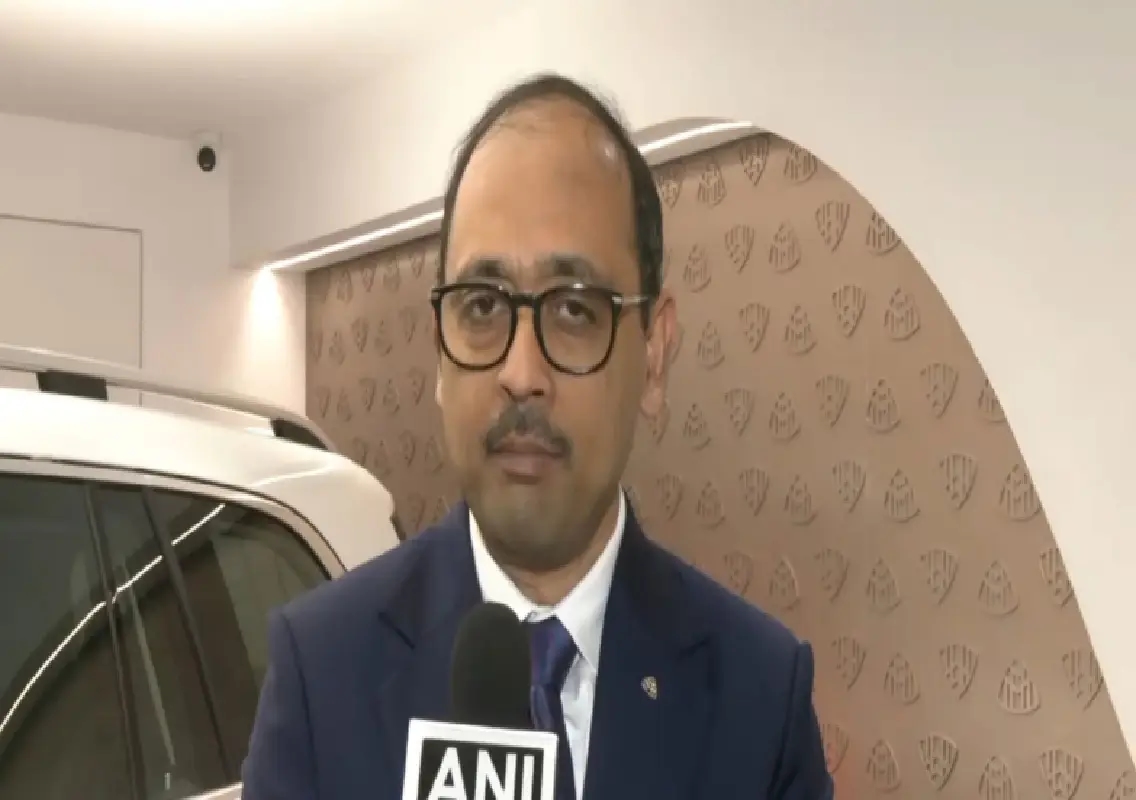
Speaking at the launch of a new Mercedes-Benz facility in the city, Santosh Iyer, Managing Director and CEO of Mercedes-Benz India, said Bengaluru has become a strategically important market for the German luxury carmaker, going well beyond its historical role as a manufacturing and technology hub.
Bengaluru emerges as a key growth pillar
Iyer said that while Mercedes-Benz continues to operate its primary manufacturing plant at Chakan near Pune, Bengaluru has evolved into a critical pillar for the brand due to its rapid economic expansion and concentration of high-income professionals.
He highlighted that the city is also home to one of Mercedes-Benz’s largest research and development centres globally, reinforcing its importance in the company’s long-term India strategy. “Bengaluru is growing rapidly in terms of state GDP and wealth, and many Mercedes-Benz cars are sold here,” Iyer said.
The company’s decision to expand its footprint in the city reflects confidence in Bengaluru’s sustained economic growth and its ability to generate demand for premium and luxury products.
Buyer demographics show sharp shift
One of the most striking changes, according to Iyer, is the shift in the age profile of luxury car buyers. Across India, the average age of a Mercedes-Benz customer has dropped from 42 years to 38 years, indicating a broader trend of younger consumers entering the luxury segment.
However, Bengaluru stands out even within this national shift. “About 38 per cent of our customers in Bengaluru are under 38 years old,” Iyer said, underlining the city’s leadership in attracting millennial and Gen-Z buyers.
This trend suggests that wealth creation in Bengaluru is no longer confined to senior corporate executives or business owners, but is increasingly spread across younger professionals, startup founders and tech entrepreneurs.
Wealth creation among young professionals
Industry experts attribute this change to Bengaluru’s strong employment base in information technology, artificial intelligence, fintech and deep-tech startups. Competitive salaries, stock options, and successful exits have enabled younger individuals to accumulate wealth earlier in their careers.
Iyer noted that this marks a departure from the traditional perception of luxury car ownership being dominated by older buyers. “Bengaluru is not only buying luxury cars, but young customers in Bengaluru are buying luxury cars,” he said, emphasising the city’s distinct consumer behaviour.
The trend also reflects changing aspirations, where younger buyers view luxury vehicles as both a lifestyle statement and a reward for professional success.
Expansion aimed at premium customer experience
Mercedes-Benz’s investment in new facilities in Bengaluru is aimed at catering to this evolving customer base. The company plans to offer more personalised and immersive experiences tailored to younger buyers who value innovation, technology and brand prestige.
Iyer said that luxury customers today expect more than just a vehicle, seeking advanced digital features, sustainability, and seamless ownership experiences. The new facility is designed to address these expectations while strengthening the brand’s presence in one of its fastest-growing markets.
Bengaluru’s role in national luxury market
The rise of Bengaluru as a luxury car hotspot mirrors its increasing contribution to Karnataka’s and India’s overall GDP. With continued infrastructure development, expanding metro connectivity and sustained inflow of global investments, the city is expected to remain a strong driver of premium automobile sales.
Automobile analysts believe that trends seen in Bengaluru could soon be replicated in other urban centres with strong startup ecosystems, but for now, the city remains ahead of the curve.
Conclusion
The growing dominance of younger buyers in Bengaluru’s luxury car market signals a structural shift in India’s premium automotive landscape. As wealth creation accelerates among millennials and Gen-Z professionals, manufacturers like Mercedes-Benz are recalibrating their strategies to meet changing aspirations.
With Bengaluru leading this transformation, the city is set to play an increasingly influential role in shaping the future of luxury mobility in India.