







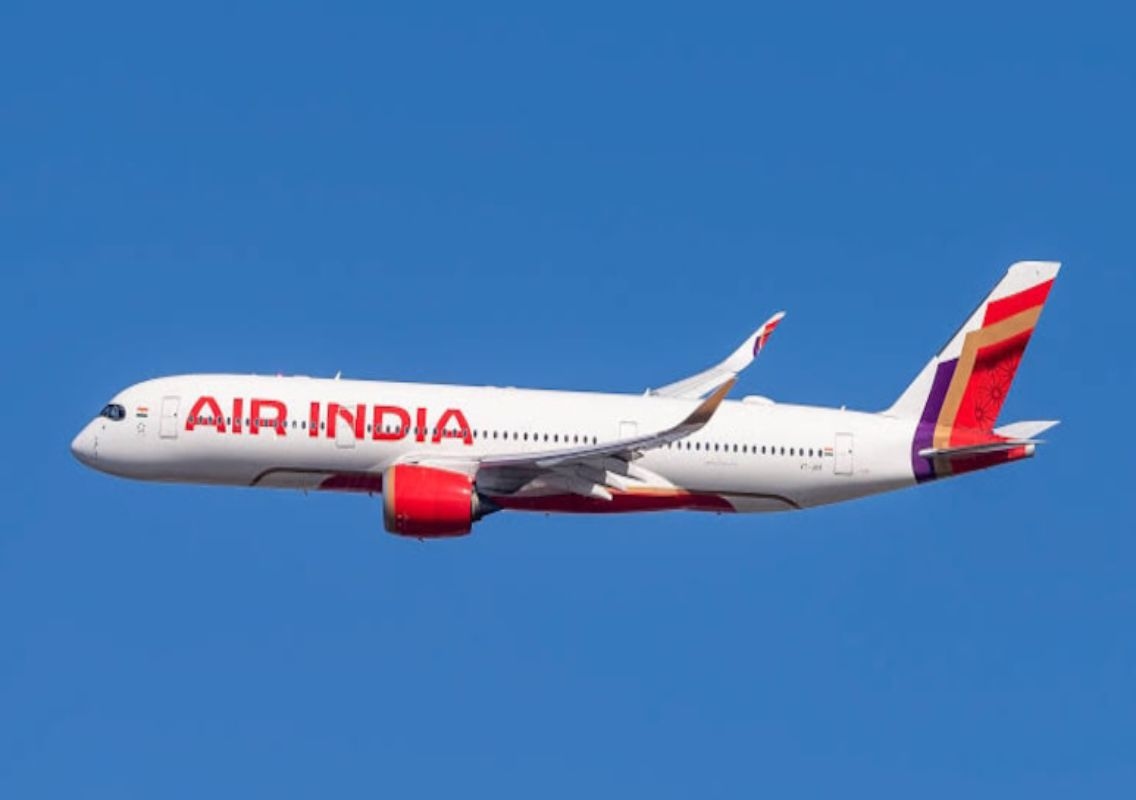


New Delhi: Air India and its low-cost subsidiary Air India Express reported a combined net loss of Rs 22,238 crore in the financial year 2025-26, more than double the previous year’s loss of Rs 10,859 crore. The airline group’s financial performance highlighted the challenges involved in rebuilding the carrier after its privatisation, with Tata Group chairman N. Chandrasekaran stating that the transformation process could take five to 10 years.
The combined revenue of Air India and Air India Express stood at Rs 71,870 crore in FY26, marking a decline of nearly 9% compared with the previous year. While the airlines continue to invest heavily in fleet expansion, operational improvements and system upgrades, rising costs and structural challenges have impacted profitability.
Air India and Air India Express report heavy losses
Air India recorded revenue of Rs 51,452 crore during FY26 but reported a net loss of Rs 15,368 crore. Meanwhile, Air India Express generated revenue of Rs 19,088 crore and posted a loss of Rs 6,767 crore.
The losses reflect the significant financial pressure faced by the airline group as it works towards modernising operations and competing with global carriers. The process involves upgrading technology systems, improving customer experience, strengthening engineering capabilities and expanding the fleet.
The airline sector globally operates on thin margins, and factors such as aircraft availability, fuel costs, supply chain disruptions and operational efficiency play a major role in determining profitability.
N. Chandrasekaran outlines long-term transformation journey
Air India chairman N. Chandrasekaran told shareholders that rebuilding the airline would require patience and a long-term approach. He said that successful global airlines have been built over decades rather than through short-term improvements.
Chandrasekaran highlighted that Air India’s transformation must be viewed as a five- to 10-year journey due to the scale of changes required. He pointed towards challenges including years of supply chain disruptions affecting critical aircraft components, outdated systems, organisational culture changes and the need to develop a larger workforce of skilled aviation professionals.
According to Chandrasekaran, the airline’s revival is not simply about financial recovery but about creating a globally competitive aviation company capable of serving passengers across international markets.
Tata Group continues efforts to rebuild Air India
Air India was privatised in 2022, when ownership was transferred from the Indian government to Tata Group. The airline is currently owned 73.82% by Tata Sons, 25.1% by Singapore Airlines and 1.08% by employees through a share benefit scheme introduced during the privatisation process.
Since taking control, Tata Group has focused on restructuring Air India’s operations, improving service standards and investing in aircraft upgrades.
The airline has announced major fleet expansion plans and is working towards creating a more modern aviation network. However, integrating legacy systems and improving operational performance remain major challenges.
Challenges affecting airline turnaround
Air India’s financial losses come at a time when the global aviation industry continues to face several difficulties. Supply chain constraints have affected aircraft maintenance and deliveries, while shortages of spare parts have created operational challenges for airlines worldwide.
For Air India, the situation has been more complex due to years of underinvestment before privatisation. The airline needs significant improvements across multiple areas, including technology infrastructure, employee training, fleet efficiency and customer service.
Building a strong international airline also requires time to establish reliable networks, improve brand perception and compete effectively with established global carriers.
Future outlook for Air India
Despite the losses, Tata Group remains focused on Air India’s long-term growth strategy. The management believes that sustained investment and operational improvements will eventually help the airline achieve financial stability.
The five- to 10-year timeline outlined by Chandrasekaran indicates that the company is prioritising sustainable growth rather than quick financial results. The airline’s ability to successfully execute its transformation plans will determine its position in the increasingly competitive Indian aviation market.
Conclusion
Air India’s FY26 losses underline the complexity of rebuilding one of India’s most recognised aviation brands. While the Rs 22,238 crore combined loss presents a major challenge, the management believes the turnaround requires a long-term approach. With continued investment, operational reforms and strategic improvements, Air India aims to emerge as a stronger global airline over the next decade.