







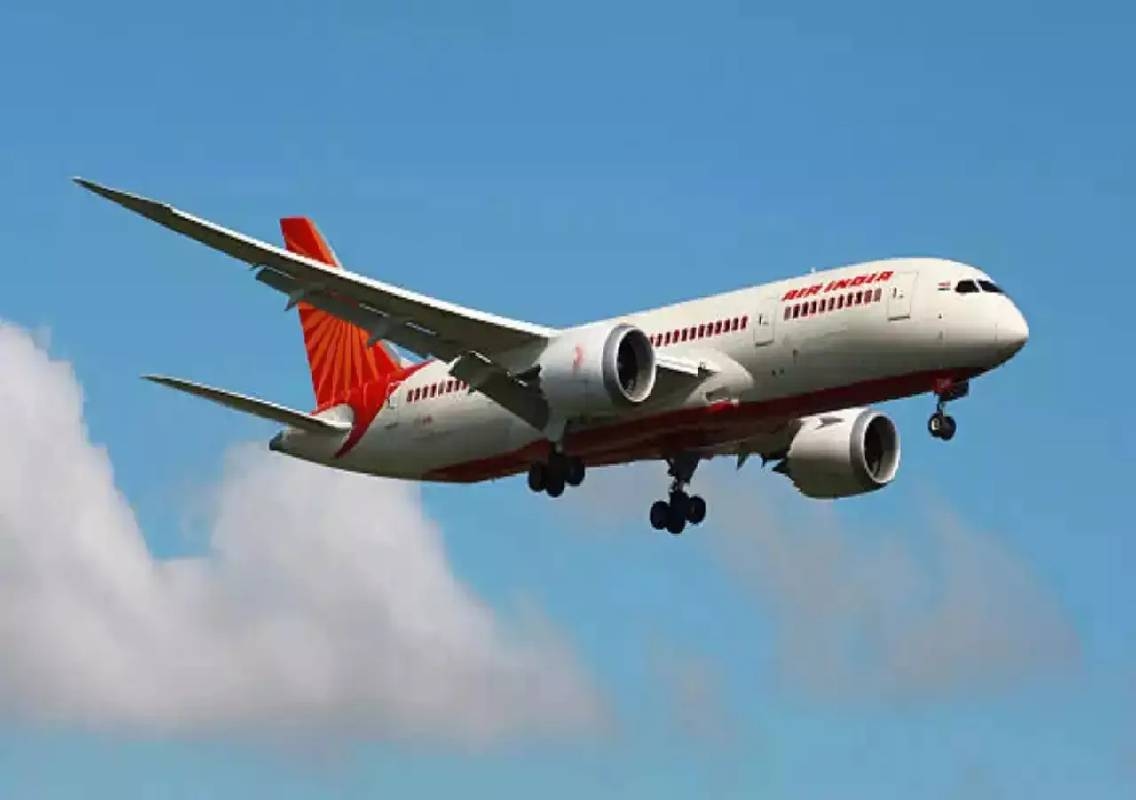


New Delhi: Air India has reported its largest annual loss since returning to the Tata Group, posting a deficit of nearly $2.8 billion for the financial year 2025-26 amid rising fuel costs and continuing global operational challenges.
The financial details emerged through the latest annual report released by Singapore Airlines on Thursday, highlighting the mounting pressure on the airline as it attempts a large-scale transformation under Tata ownership.
Losses touch nearly Rs 24,000 crore
According to Singapore Airlines’ financial disclosures, Air India recorded losses of 3.56 billion Singapore dollars during FY26.
Based on current exchange rates, the loss amounts to nearly $2.8 billion or approximately Rs 24,000 crore in Indian currency.
This marks the steepest reported annual loss for the airline since the Tata Group reacquired Air India from the Government of India in 2022.
The latest financial setback underlines the difficulties involved in reviving the carrier while simultaneously investing in fleet modernisation, service upgrades and international expansion.
Rising fuel costs hit airline operations
Air India has been facing increasing pressure from elevated aviation turbine fuel prices and prolonged airspace restrictions affecting international operations.
The airline stated that the commercial viability of several long-haul international routes has been impacted due to rising operating costs and disruptions caused by restricted air corridors.
Industry experts say global geopolitical tensions, particularly in the Middle East, have increased fuel expenses and lengthened flight durations on several routes.
These developments have significantly affected airline profitability worldwide.
International routes temporarily suspended
As part of efforts to stabilise operations, Air India has announced temporary reductions and suspensions on select international routes until August 2026.
The airline recently confirmed that certain overseas services would either operate at reduced frequency or remain temporarily suspended because of operational constraints.
Although the airline has not indicated any permanent withdrawal from international destinations, the temporary cuts are expected to impact passengers travelling on some long-haul sectors.
Air India aims to improve operational stability
The airline said the temporary route changes are intended to improve schedule reliability and reduce last-minute disruptions for passengers.
According to Air India, streamlining operations during this period will help improve overall network efficiency and minimise inconvenience caused by cancellations or delays.
Despite the route rationalisation, the airline stated that it will continue operating more than 1,200 international flights every month across five continents.
Tata Group continues airline transformation
Since taking over Air India in 2022, the Tata Group has undertaken an aggressive overhaul of the airline’s operations.
The company has announced major aircraft orders, cabin upgrades, digital transformation initiatives and efforts to integrate Air India with other Tata aviation businesses.
However, aviation analysts note that the turnaround of a legacy airline of Air India’s scale requires sustained investment and may continue to face profitability challenges in the near term.
Global aviation industry under pressure
Air India’s financial losses also reflect broader challenges within the global aviation industry, including volatile fuel prices, supply-chain disruptions, aircraft delivery delays and geopolitical instability.
Airlines worldwide have been struggling to balance operational expansion with rising costs and changing travel demand patterns.
Experts believe Air India’s long-term recovery will depend on improving operational efficiency, expanding premium services and stabilising international market conditions.