







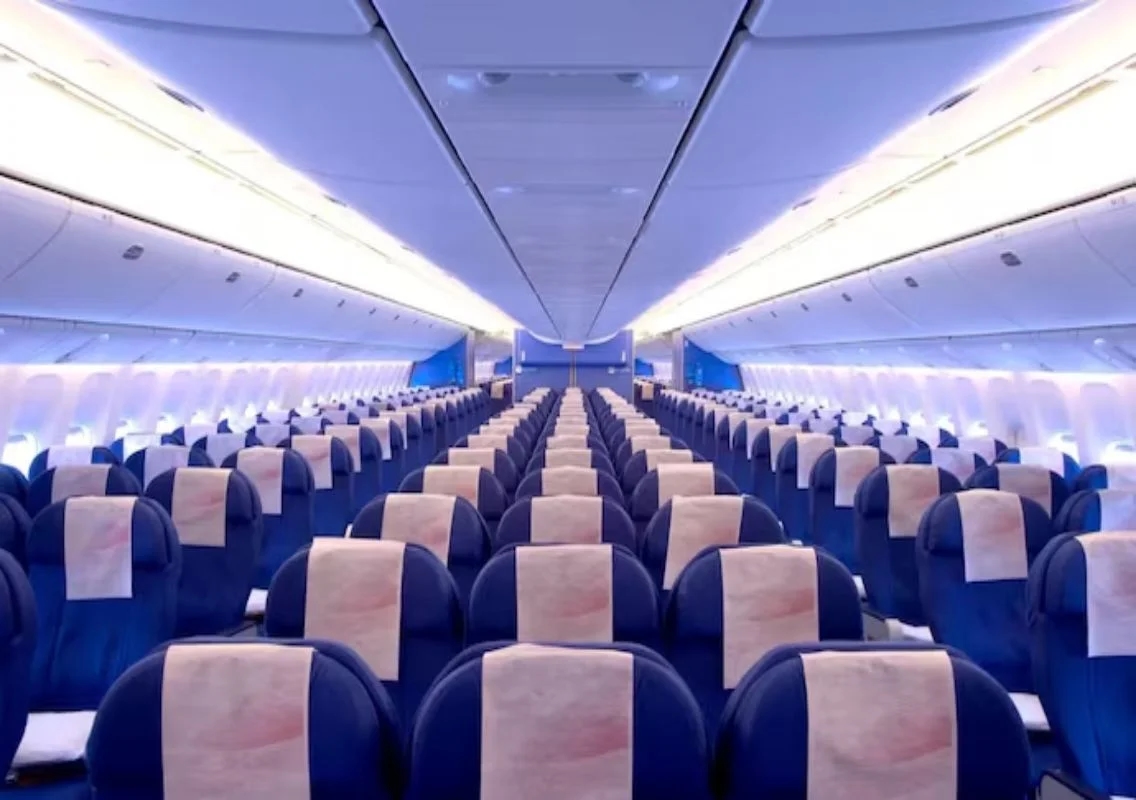


New Delhi: A new government directive mandating 60 per cent free seat allocation on flights has drawn sharp opposition from Indian airlines, who warn that the move could lead to a spike in airfares and disrupt pricing structures across the aviation sector.
The Federation of Indian Airlines (FIA), which represents major carriers such as IndiGo, Air India and SpiceJet, has written to Civil Aviation Secretary Sameer Sinha, raising concerns over the financial and operational implications of the directive.
Airlines argue that the rule, though aimed at benefiting passengers, could ultimately have the opposite effect by increasing ticket prices.
Airlines warn of higher fares
In its communication, the FIA stated that the directive would significantly impact airline revenues by removing a key ancillary income stream—paid seat selection.
“The financial impact of this directive on airlines will be significant, compelling airlines to recover the lost revenues through increases in fares,” the industry body said.
Airlines currently rely on additional services such as preferred seat selection, baggage, and meals to maintain competitive base fares. By mandating free allocation for a majority of seats, carriers fear they will have limited options but to raise base ticket prices.
Industry experts note that such a shift could particularly affect budget travellers, who typically opt for lower base fares and pay only for services they use.
Concerns over regulatory overreach
The FIA has also raised objections over what it termed as “regulatory overreach” into commercial decision-making.
According to the airlines, pricing strategies and seat allocation policies are core business functions that should remain within the purview of the carriers. The body questioned the authority of the Directorate General of Civil Aviation (DGCA) to regulate components such as unbundled services.
Referring to previous legal precedents, the FIA argued that regulators do not have the mandate to fix or cap charges related to optional services offered by airlines.
This, it said, could set a precedent for further intervention in airline pricing, creating uncertainty within the sector.
Impact on passengers and competition
While the directive is intended to improve passenger convenience, airlines caution that it may reduce affordability and limit consumer choice in the long run.
“Higher fares will reduce consumer choice and affordability, particularly for frequent flyers, families, and budget travellers,” the FIA said.
Additionally, the standardisation of seat allocation policies across airlines could diminish service differentiation. Carriers often use seat selection options as a way to offer varied pricing tiers and customised experiences to passengers.
Experts suggest that limiting these options could make it harder for travellers to choose airlines based on personal preferences, including comfort and flexibility.
Lack of stakeholder consultation
Another major concern flagged by the airlines is the absence of prior consultation before the directive was issued.
The FIA stated that the mandate was not clearly communicated to member airlines before the official announcement on March 18, 2026. It added that no structured stakeholder discussions were held, which is typically expected for policy changes with wide-ranging implications.
Industry stakeholders have stressed the importance of collaborative decision-making, especially in a sector as complex and competitive as aviation.
Call for withdrawal of directive
Airlines have urged the Ministry of Civil Aviation to reconsider and withdraw the directive under the current framework.
The FIA warned that implementing the rule could create long-term uncertainty regarding regulatory boundaries and discourage operational flexibility.
“If applied, this measure will create uncertainty for airlines regarding future regulatory constraints,” the body noted, urging the government to review the policy “in the overall interest of the sector”.
Conclusion
The proposed 60 per cent free seat allocation rule has sparked a broader debate over the balance between consumer protection and market-driven pricing in India’s aviation industry. While the intent may be to enhance passenger benefits, airlines argue that unintended consequences—particularly higher fares—could outweigh the gains.
As discussions continue, the final decision will likely play a crucial role in shaping pricing models, competition, and passenger experience in the country’s fast-growing aviation market.