


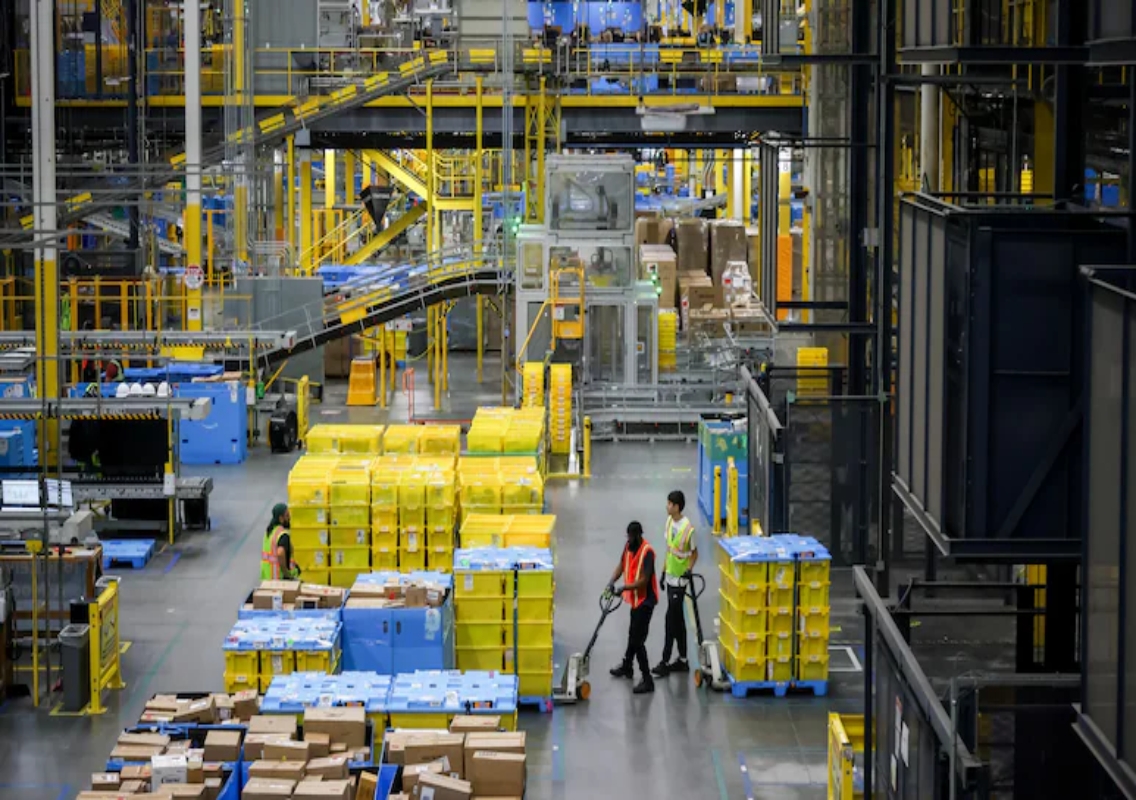


SEATTLE: Amazon plans to hire more than 3 lakh workers across the United States for the 2026 holiday shopping season, increasing its recruitment target by 20% from last year. The hiring drive will include full-time, part-time and seasonal positions across the e-commerce giant’s fulfilment centres, warehouses and delivery operations.
The announcement makes Amazon a notable exception in a holiday employment market where several retailers are taking a more cautious approach. The company expects additional workers to help manage higher order volumes as consumers prepare for the year-end shopping period.
According to Amazon, seasonal employees will earn an average of US$20 per hour. The company is also introducing expanded healthcare benefits for eligible seasonal workers who continue working into January, as it looks to retain employees beyond the peak shopping period.
Amazon Raises Holiday Hiring Target
Amazon’s plan to recruit more than 300,000 workers represents a significant increase from the 250,000 seasonal positions it targeted annually from 2023 through 2025.
The new recruitment drive covers a combination of temporary, part-time and full-time jobs throughout its US operations network. These roles will support the movement of goods from fulfilment centres to sorting facilities and ultimately to customers’ homes.
The holiday period is one of the busiest times of the year for e-commerce companies. Events such as Black Friday and Cyber Monday, followed by Christmas shopping, typically lead to higher order volumes and increased pressure on delivery networks.
Amazon’s expanded hiring target also reflects the continued development of its operations infrastructure, including new facilities opening across the country. A larger network requires workers to handle inventory, package orders, coordinate transportation and maintain delivery schedules.
The company plans to publish new vacancies each week from October through December, giving job seekers opportunities to apply as recruitment progresses.
Seasonal Workers to Earn an Average of $20 an Hour
Pay is a major part of Amazon’s effort to attract workers during the busy shopping season. The company said seasonal employees will earn an average of US$20 per hour, while full-time operations employees will start at a minimum of US$20 per hour.
Average hourly pay for full-time operations employees is nearly US$24, with benefits increasing total compensation further.
The positions may appeal to people looking for short-term employment, additional income or an opportunity to enter the logistics and e-commerce industries. Some seasonal employees may also have the opportunity to transition into permanent positions, depending on business requirements and available vacancies.
Amazon’s recruitment drive comes as workers weigh pay, scheduling flexibility, healthcare coverage and the possibility of longer-term employment when considering seasonal jobs.
Healthcare Benefits to Expand in January 2027
Amazon has also announced changes intended to encourage seasonal employees to remain with the company after the holiday rush.
Starting January 1, 2027, eligible seasonal employees working at least 30 hours a week will be able to access healthcare coverage from their first day of employment. The company said health plans will start at US$5 per week, with US$5 copayments.
Workers hired before the change takes effect will become eligible from January 1, subject to the applicable conditions.
The expansion is significant because seasonal employment is traditionally associated with temporary contracts and limited benefits. Extending healthcare access to eligible workers who remain beyond the holiday period could help Amazon retain experienced staff and reduce the need for repeated recruitment and training.
The move also reflects the competition among employers to attract and retain workers in a changing labour market.
Holiday Hiring Remains Weak Across Retail
Amazon’s hiring expansion contrasts with the broader outlook for seasonal employment in the United States.
Outplacement firm Challenger, Gray & Christmas estimated that seasonal retail hiring could fall below 450,000 jobs this year, potentially marking the weakest holiday recruitment period since 2008.
The firm also estimated that seasonal hiring across logistics and warehouse companies would remain broadly flat compared with the previous year.
Retailers are becoming more selective about temporary recruitment as they manage costs, uncertainty surrounding consumer spending and the growing use of automation. Rather than increasing staffing across the board, some companies are concentrating recruitment on positions considered essential to their operations.
Amazon’s decision to raise its target therefore stands out in an environment where employers are balancing expectations of holiday sales growth against economic uncertainty.
Online Shopping Expected to Support Demand
Despite concerns about inflation and household budgets, online shopping is expected to remain an important driver of holiday retail sales.
Adobe Analytics forecasts that US consumers will spend US$275.1 billion online during November and December, representing an increase of 6.7% from 2025.
Amazon accounts for a substantial share of US online retail spending, making its ability to handle higher order volumes important during the holiday season. Additional warehouse and delivery staff can help the company process orders, manage peak demand and maintain service levels.
However, stronger online sales do not necessarily translate into equal growth across every retail category. Consumer spending can shift towards lower-priced goods as households respond to higher living costs, while retailers continue to face pressure to offer competitive prices and faster delivery.
The final hiring outcome will depend on demand, the availability of workers and the operational needs of individual facilities.
UPS Also Plans Seasonal Recruitment
Amazon is not the only major logistics company preparing for the holiday rush. United Parcel Service has announced plans to hire more than 100,000 seasonal workers, broadly in line with previous years.
UPS has also been adjusting its business strategy, including efforts to focus on more profitable shipments. Its hiring plans highlight the continuing need for additional labour to manage seasonal parcel volumes even as logistics companies improve efficiency.
The different recruitment strategies across the retail and delivery sectors reflect a changing industry. Companies are trying to match staffing levels with expected demand while controlling costs and investing in technology.
What the Hiring Drive Means for Amazon
Amazon’s decision to target more than 300,000 holiday workers highlights the scale of its logistics operations and its expectations for the coming shopping season.
The increase could support fulfilment and delivery performance during the busiest weeks of the year. Expanded benefits may also help the company retain seasonal employees who want to continue working after the holidays.
Nevertheless, recruitment numbers alone do not guarantee stronger sales or higher profits. Amazon will still need to manage labour costs, inventory, transportation capacity and customer demand throughout the season.
For the wider US labour market, the contrast between Amazon’s expansion and the weaker seasonal hiring outlook elsewhere illustrates how employment opportunities are increasingly concentrated in specific industries and operational roles.
The coming months will show whether Amazon’s larger workforce target helps it navigate the holiday rush while maintaining delivery efficiency and meeting customer expectations.