







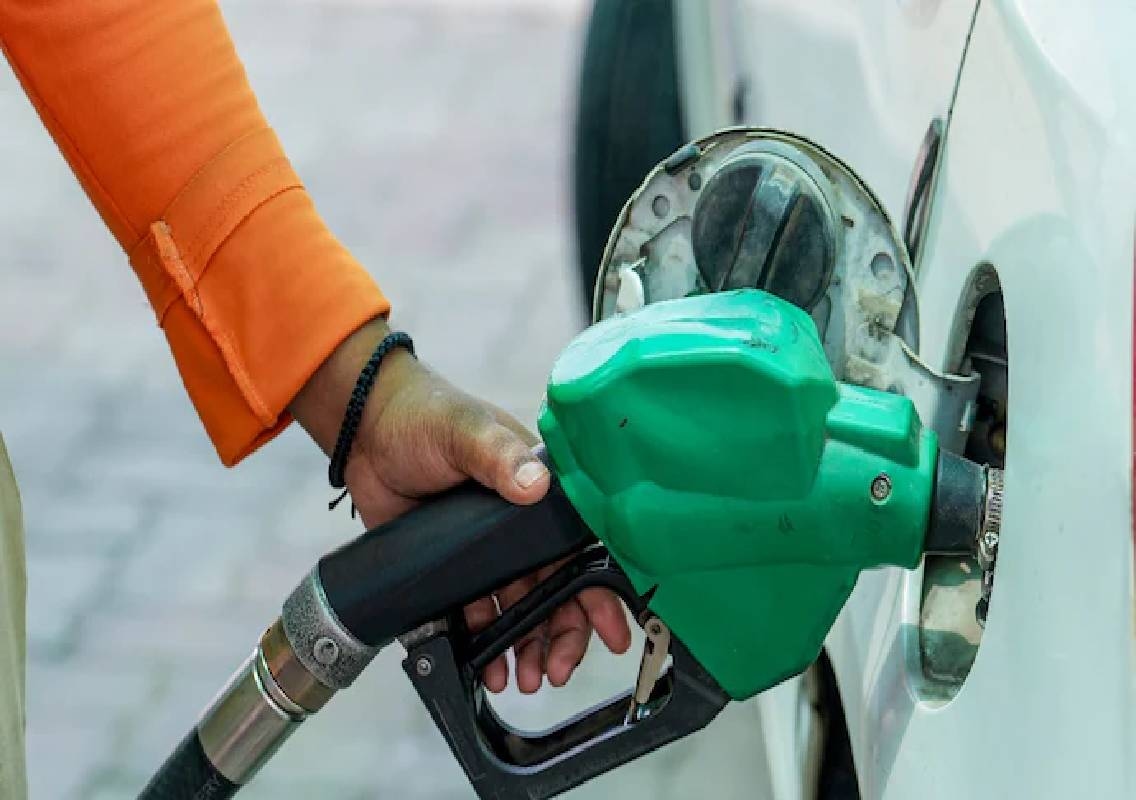


New Delhi: A panel of automobile and energy experts has defended India’s E20 ethanol blending programme, saying extensive testing has found no evidence of concerns in E20-compatible vehicles. The experts also highlighted that ethanol is used in high-performance motorsport fuels, including Formula 1, and said the government’s ethanol blending push is supported by scientific evaluation, regulatory standards and energy security goals.
The remarks were made during a press conference on ethanol as public debate continued over the impact of E20 petrol on vehicle performance, mileage and maintenance.
Experts say E20 rollout followed extensive testing
Former Engineers India Limited (EIL) CMD Vartika Shukla said the E20 rollout was not introduced suddenly but followed years of preparation and testing by the automobile industry.
She noted that India achieved its E20 target in December 2025 and said the programme is intended to reduce carbon emissions while supporting cleaner fuel adoption.
Shukla added that E20 fuel complies with Bharat Stage VI (BS VI) standards and pointed out that several countries, including Canada and Paraguay, already use E20 fuel.
Toyota highlights ethanol’s wider use
Vikram Gulati, Country Head and Executive Vice President (Corporate Affairs and Governance) at Toyota Kirloskar Motor, said ethanol is a well-established fuel with clearly defined specifications.
He stated that automobile manufacturers engineer vehicles according to fuel standards and that independent testing agencies certify them before they are made available to consumers.
Calling ethanol “a very good fuel,” Gulati said some of the earliest automobiles in the early 1900s ran on ethanol. He also noted that Formula 1 racing cars use ethanol-based fuel blends, highlighting ethanol’s role in high-performance applications.
According to Gulati, ethanol can help reduce carbon emissions and also contributes to reducing dependence on imported crude oil.
Maruti Suzuki addresses vehicle compatibility concerns
Rahul Bharti, Senior Executive Officer at Maruti Suzuki, acknowledged that the primary concern among consumers relates to petrol vehicles manufactured before 2023, before E20-compatible standards became widespread.
He said this is the central question that needs to be addressed but added that testing has not identified any concerning issues with E20 fuel in compatible vehicles.
Bharti stated, “We haven’t found anything of concern in E20 fuel,” while emphasising the importance of assessing older vehicles according to manufacturer guidelines.
Former IOCL chief backs E20 programme
Former Indian Oil Corporation Ltd (IOCL) Chairman B Ashok also supported the ethanol blending programme, stating that it has strengthened India’s energy security, increased farmers’ incomes and reduced carbon emissions.
Ashok said scientific studies have not found evidence that E20 fuel damages vehicle engines or significantly affects mileage in compatible vehicles.
He described many concerns circulating about E20 as misconceptions or exaggerated claims rather than conclusions supported by scientific evidence.
Government rejects misinformation claims
The Ministry of Petroleum and Natural Gas recently issued a detailed rebuttal to what it described as misinformation regarding the E20 programme.
The ministry rejected claims that producing one litre of ethanol requires 10,000 litres of water, stating that ethanol distilleries generally consume about 3–5 litres of processed water per litre of ethanol produced and increasingly use Zero Liquid Discharge systems to recycle water.
It also dismissed claims linking E20 fuel to engine damage, insurance invalidation and environmental harm, saying the programme is backed by scientific studies, international experience and regulatory safeguards.
Programme aims to reduce oil dependence
India’s Ethanol Blending Programme, launched in 2003, aims to reduce crude oil imports, improve energy security and promote environmental sustainability.
The programme was implemented in phases through technical preparedness, stakeholder consultations and regulatory approvals before the rollout of 20 per cent ethanol blending from 2023 onwards.
Experts said the transition to E20 is part of a broader strategy to diversify fuel sources, lower emissions and support domestic agricultural and energy sectors.
Public concerns continue
Despite expert assurances, the E20 mandate has generated debate among owners of petrol vehicles manufactured before 2023.
Some vehicle owners have reported concerns about fuel efficiency, maintenance costs and possible wear and tear, prompting calls for clearer guidance on vehicle compatibility.
The government and industry representatives have maintained that consumers should check whether their vehicles are E20-compatible and follow manufacturer recommendations.
Conclusion
Automobile and energy experts have defended India’s E20 ethanol blending programme, stating that extensive testing has found no evidence of concerns in compatible vehicles. They argue that ethanol is a globally used fuel, including in Formula 1, and that the programme supports lower emissions, reduced oil dependence and stronger energy security.