







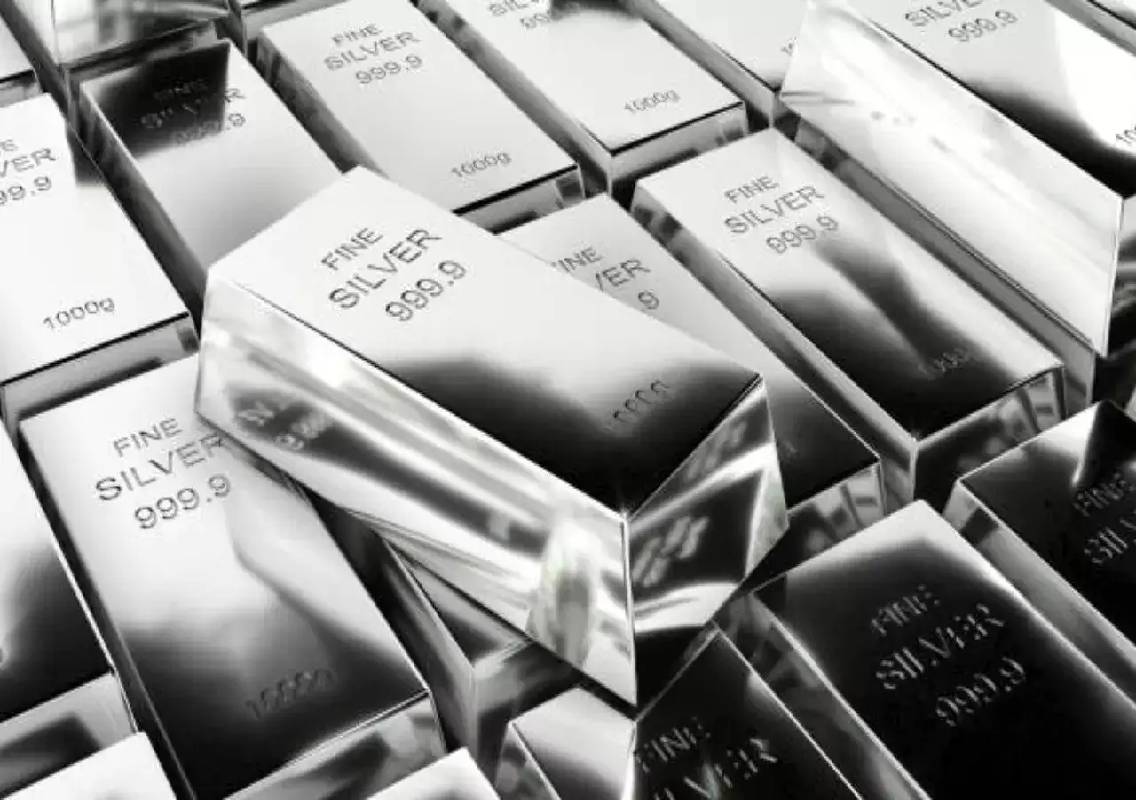


New Delhi: The Bureau of Indian Standards (BIS) is preparing to strengthen testing and hallmarking infrastructure for silver jewellery and articles as demand for silver grows and some consumers increasingly look beyond gold. The move comes at a time when high gold prices have encouraged greater interest in silver, increasing the importance of reliable purity verification for buyers.
Silver hallmarking in India is not new. BIS introduced hallmarking for silver jewellery and artefacts in October 2005. However, the system has undergone significant changes in recent years, including the introduction of a Hallmarking Unique Identification (HUID) system for silver under the revised IS 2112:2025 standard.
The expanded focus on testing is aimed at strengthening consumer confidence as the silver market becomes more organised. BIS-recognised Assaying and Hallmarking Centres (AHCs) test jewellery before applying the hallmark, providing consumers with third-party assurance about the purity of the metal.
Why silver hallmarking is gaining importance
Gold has traditionally dominated India’s precious-metals jewellery market, but the sharp rise in gold prices has made silver an increasingly attractive alternative for some buyers.
Silver jewellery generally has a lower entry price than gold, allowing consumers to purchase larger or more elaborate pieces without committing the same amount of money. The metal is also increasingly being used in contemporary jewellery, gifting, decorative articles and investment-oriented products.
As the market expands, concerns around purity and transparency become more important.
A consumer purchasing a silver article needs to know whether the stated fineness accurately reflects the metal’s composition. Hallmarking provides an independent mechanism for verifying this information.
BIS says the core purpose of hallmarking is to provide consumers with third-party assurance about the purity or fineness of precious-metal jewellery and artefacts.
BIS already has a silver hallmarking network
The country’s existing infrastructure provides a base for expanding testing capacity.
According to BIS, there are approximately 230 Assaying and Hallmarking Centres recognised for testing silver jewellery across 87 districts in India. In the financial year 2024-25, more than 32 lakh silver jewellery articles were successfully hallmarked.
The numbers demonstrate that silver hallmarking is already operating at considerable scale.
However, rising demand can put additional pressure on testing infrastructure, particularly if more jewellers and consumers begin using hallmarking as a standard quality benchmark.
Scaling up testing capacity would help the system handle larger volumes while maintaining testing standards.
New HUID system brings greater traceability
One of the biggest developments in silver hallmarking has been the introduction of HUID-based identification.
Under the revised IS 2112:2025, HUID-based hallmarking for silver jewellery and articles became voluntary from September 1, 2025. The system is designed to provide greater traceability and bring silver hallmarking closer to the framework already familiar to gold jewellery buyers.
The silver hallmark now consists of three key components:
- The BIS Standard Mark with the word “SILVER”
- The purity grade
- A unique HUID code
The system allows consumers to access information about a hallmarked article through the BIS CARE app.
This includes details such as the article type, purity grade, date of hallmarking at the first point of sale, the Assaying and Hallmarking Centre and the jeweller’s registration number.
Such traceability can make it easier for consumers to verify the authenticity of hallmarking and identify the source of the certification.
Seven silver purity grades are recognised
The revised silver standard specifies seven purity grades: 800, 835, 925, 958, 970, 990 and 999.
The 958 and 999 grades were added under the revised standard, while the earlier 900 grade was removed.
The fineness number indicates the parts of pure silver per 1,000 parts of the alloy.
For example, silver marked 925 contains 92.5% silver, while 999 represents 99.9% fineness.
This information is particularly useful for consumers because silver products can differ considerably in composition.
A higher fineness does not necessarily mean that a particular jewellery item is the best choice for every buyer, as durability, design and intended use also matter. However, knowing the fineness allows consumers to make an informed comparison between products.
How silver hallmarking works
The hallmarking process involves several stages.
A registered jeweller submits silver jewellery or articles to a BIS-recognised Assaying and Hallmarking Centre. The centre tests the article to determine whether it meets the requirements of the applicable Indian Standard. If the article meets the required specifications, the appropriate hallmark is applied.
BIS-recognised centres use prescribed testing methods and equipment for assaying.
The organisation’s guidelines also require testing centres to maintain appropriate reference materials and follow specified testing procedures. X-ray fluorescence equipment is among the tools covered under BIS’s operational requirements for assaying and hallmarking centres.
The process is intended to ensure that the purity stated on a hallmarked article is supported by independent testing.
Consumers can verify hallmarked silver
The HUID system adds another layer of consumer protection.
For silver articles hallmarked under the revised standard, buyers can use the BIS CARE app to check information associated with the HUID. This can include the purity grade and details of the jeweller and testing centre.
This is significant because hallmarking is useful only when consumers can distinguish genuine certification from misleading claims.
Buyers should therefore look for the appropriate BIS hallmark and purity information when purchasing silver jewellery.
Consumers should also retain the purchase invoice because it provides important information about the product, weight, price and seller.
Silver hallmarking is not the same as an investment guarantee
While hallmarking provides information about purity, it should not be confused with a guarantee that the product will increase in value.
A hallmarked silver jewellery item confirms compliance with the relevant purity standard, but its resale value can depend on several other factors.
These include the weight of silver, prevailing market prices, workmanship charges, design, retailer policies and deductions at the time of resale.
Consumers considering silver as an investment should therefore distinguish between buying silver jewellery and buying silver primarily for its metal value.
Hallmarking addresses purity, not future returns.
Why testing capacity matters for jewellers
An increase in silver hallmarking can also affect jewellers.
As more retailers offer hallmarked silver, they need access to reliable testing centres that can process articles efficiently.
If testing infrastructure does not expand in line with demand, delays could affect jewellers’ inventory cycles and the time required to bring products to market.
A larger network of capable AHCs could reduce pressure on existing facilities and make hallmarking more accessible to jewellers in different parts of the country.
BIS already operates a framework for recognising AHCs, with requirements covering infrastructure, personnel, testing capability and quality controls.
The move could improve transparency in the silver market
Greater adoption of hallmarking could bring more transparency to the silver jewellery market.
For consumers, the key advantage is the ability to compare products based on a clearly identified purity grade rather than relying solely on a seller’s claim.
For organised jewellers, a stronger hallmarking system can also help build customer trust.
This becomes increasingly relevant as the market attracts buyers who may be relatively new to silver purchases because of the rising cost of gold.
A consumer who previously bought gold jewellery may increasingly consider silver because of the difference in prices. Such buyers may also expect the same level of purity information and transparency that has become familiar in the gold market.
Gold hallmarking provides the established model
India’s experience with gold provides a useful comparison.
Gold hallmarking began in April 2000, several years before silver hallmarking was introduced in 2005. Over time, hallmarking has become a significant part of the organised gold jewellery market.
BIS has continued to strengthen the digital and traceability aspects of hallmarking.
The HUID system for gold, introduced as part of the post-2021 hallmarking framework, has provided a model for improving identification and verification. The revised silver standard now incorporates a similar HUID-based approach.
The move could help create a more consistent consumer experience across the two precious metals.
Buyers should check the purity grade
Consumers buying silver jewellery should not simply look for the word “hallmarked”.
The purity grade is equally important.
A buyer should check whether the article carries the appropriate BIS Standard Mark, the word “SILVER”, the declared purity grade and, where applicable, the HUID. The details should correspond with the information provided at the point of sale.
The BIS framework also requires registered jewellers to display relevant hallmarking information at their outlets.
Consumers can use this information to make a more informed purchase.
What silver buyers should keep in mind
With greater interest in silver, consumers should take a few basic precautions before buying:
Check the hallmark: Look for the applicable BIS marking and purity information.
Verify the HUID: For articles covered by the HUID-based system, consumers can use the BIS CARE app to check the associated information.
Ask for an invoice: Ensure the bill clearly states the weight, purity and other relevant purchase details.
Compare prices: Silver jewellery prices include more than the value of the metal. Making charges and other costs can vary significantly.
Understand resale terms: Ask the jeweller about exchange and buyback policies before making a large purchase.
Do not confuse purity with returns: A hallmark confirms purity; it does not guarantee investment gains.
These steps can help consumers avoid confusion as silver becomes a more prominent part of India’s precious-metals market.
Consumer protection is an important part of hallmarking
BIS has also established mechanisms for addressing complaints involving hallmarked jewellery.
According to BIS, if hallmarked jewellery is found to have a lower purity than the marked value, consumers can be entitled to compensation based on the shortage in purity, in addition to testing charges, subject to the applicable rules.
This provides an important layer of protection.
The existence of a complaint mechanism also reinforces the purpose of hallmarking: it is not simply a marking system but part of a broader quality-assurance framework.
BIS describes itself as India’s national standards body and has responsibilities covering standardisation, conformity assessment, hallmarking and consumer empowerment.
Silver could gain further traction
The shift towards silver is taking place against a broader change in consumer behaviour.
Gold remains deeply embedded in Indian jewellery traditions, particularly for weddings, festivals and major family occasions. However, high prices can make large gold purchases difficult for many households.
Silver offers a more accessible alternative for consumers who want precious-metal jewellery without the financial commitment associated with gold.
Contemporary designs have also broadened silver’s appeal among younger buyers.
If this trend continues, the need for a robust hallmarking system will increase.
BIS’s efforts to strengthen silver testing and traceability could therefore become increasingly important for both consumers and the jewellery industry.
What the BIS expansion means for buyers
For consumers, the biggest benefit of stronger silver hallmarking infrastructure is greater confidence.
A larger testing network can potentially make hallmarking more accessible, while HUID-based identification can make it easier to verify the details of a hallmarked article.
The combination of physical testing and digital traceability is designed to reduce uncertainty around silver purity.
This is particularly valuable at a time when more consumers are considering silver as an alternative to gold.
The development also signals that silver is being treated as an increasingly important part of India’s organised precious-metals market rather than simply a lower-priced alternative.
Conclusion
BIS’s move to scale up silver hallmarking and testing comes at a significant time for India’s precious-metals market. With gold prices making silver more attractive to some consumers, demand for silver jewellery and articles is gaining greater attention.
India already has around 230 BIS-recognised Assaying and Hallmarking Centres across 87 districts, while more than 32 lakh silver jewellery articles were hallmarked in 2024-25, according to BIS.
The introduction of the revised IS 2112:2025 standard and voluntary HUID-based hallmarking has further strengthened the framework by providing consumers with greater traceability and access to purity information.
For buyers, the message is straightforward: as silver becomes more popular, checking purity and certification is just as important as comparing price and design. A stronger BIS testing network could make that process easier and provide greater confidence to consumers entering the silver market.