







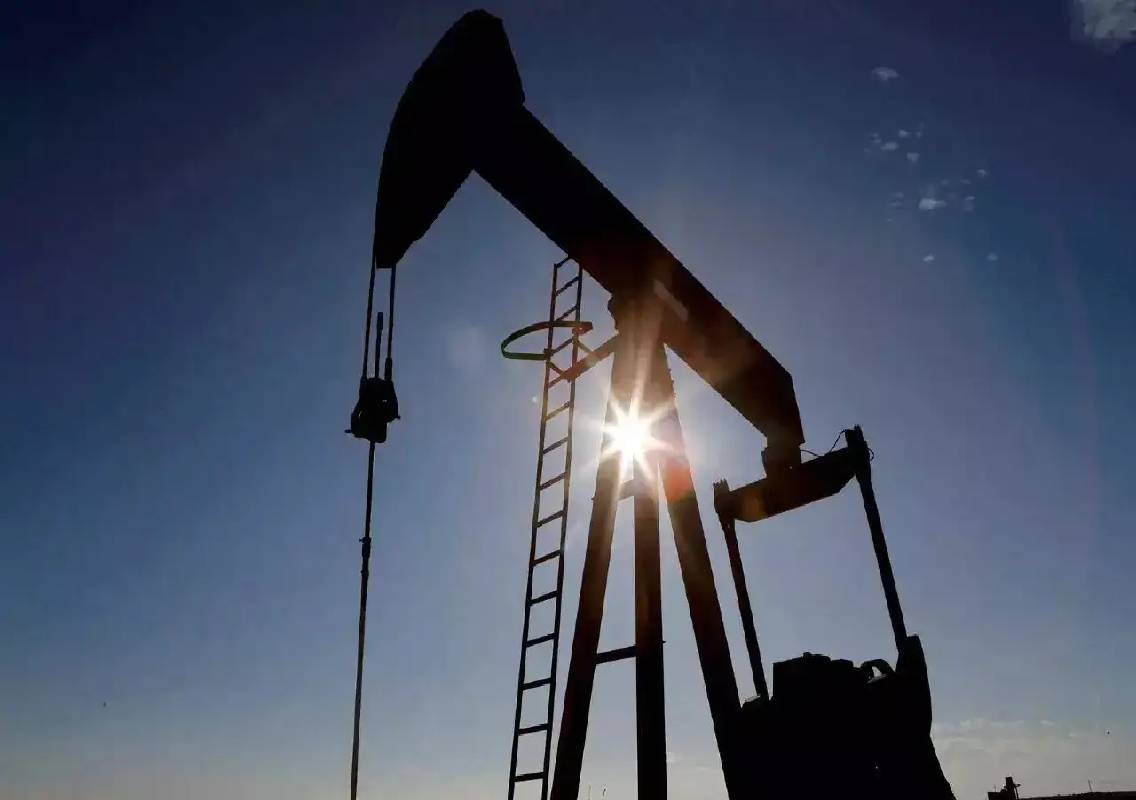


New Delhi: The Centre extended support worth ₹1.23 lakh crore to Oil Marketing Companies (OMCs) to protect consumers from a sharp rise in petrol and diesel prices during the West Asia conflict involving Iran, sources told Times Now News. The move was aimed at shielding households and businesses from the impact of surging global crude oil prices and maintaining stability in domestic fuel markets.
Government intervenes to prevent fuel price shock
According to sources, the financial support package, which included excise-duty related measures during the initial 78 days of the crisis, enabled OMCs to absorb a significant portion of the increase in crude oil costs instead of passing the burden directly on to consumers.
The intervention came as international crude oil prices witnessed volatility amid escalating tensions in West Asia, raising concerns over energy security and inflationary pressures across several countries, including India.
Officials indicated that the government’s priority was to ensure that ordinary citizens did not bear the immediate impact of the conflict through higher fuel prices.
Rising fertiliser costs emerge as another concern
Apart from fuel prices, the government is also facing pressure from rising fertiliser costs linked to the geopolitical situation in West Asia.
Sources said the Finance Ministry has made a provision of ₹1.77 lakh crore for fertiliser subsidies in the Union Budget for 2026-27. However, with global fertiliser prices increasing significantly, the Department of Fertilisers is reportedly seeking a substantial enhancement in allocations.
The cost of fertiliser procurement has risen sharply due to disruptions in global supply chains and higher input costs triggered by the conflict.
Subsidy helps keep fertiliser prices stable for farmers
Despite the increase in procurement costs, farmers continue to receive fertilisers at subsidised rates.
Sources noted that a fertiliser bag that costs the government around ₹4,500 is still being made available to farmers for approximately ₹300 per bag. Before the recent escalation in West Asia, the government’s procurement cost was reportedly around ₹3,000 per bag.
The widening gap between procurement costs and retail prices has increased the subsidy burden on the government, prompting discussions on additional budgetary support.
Supply pressures add to challenges
Officials also pointed to a shrinking supplier pool as rising international prices make procurement more challenging. The narrowing availability of suppliers could create further pressure on fertiliser imports and subsidy requirements if geopolitical tensions persist.
India, one of the world’s largest importers of crude oil and fertiliser inputs, remains particularly vulnerable to disruptions in West Asia, a region critical to global energy and commodity supplies.
Balancing inflation and fiscal pressures
The government’s support for OMCs and fertiliser subsidies reflects its broader strategy of balancing consumer protection with inflation management. Economists note that keeping fuel and fertiliser prices stable helps contain inflation, supports agricultural production and protects household budgets.
However, such measures also increase fiscal expenditure and could place additional pressure on government finances if global commodity prices remain elevated for an extended period.
With uncertainty continuing in West Asia, policymakers are expected to closely monitor developments and assess whether further interventions are required to safeguard consumers and key sectors of the economy.
Conclusion
The Centre’s reported ₹1.23 lakh crore support to OMCs highlights its effort to shield consumers from the fallout of global energy market disruptions caused by the Iran conflict. At the same time, rising fertiliser subsidy requirements underscore the broader economic challenges posed by prolonged geopolitical instability.