







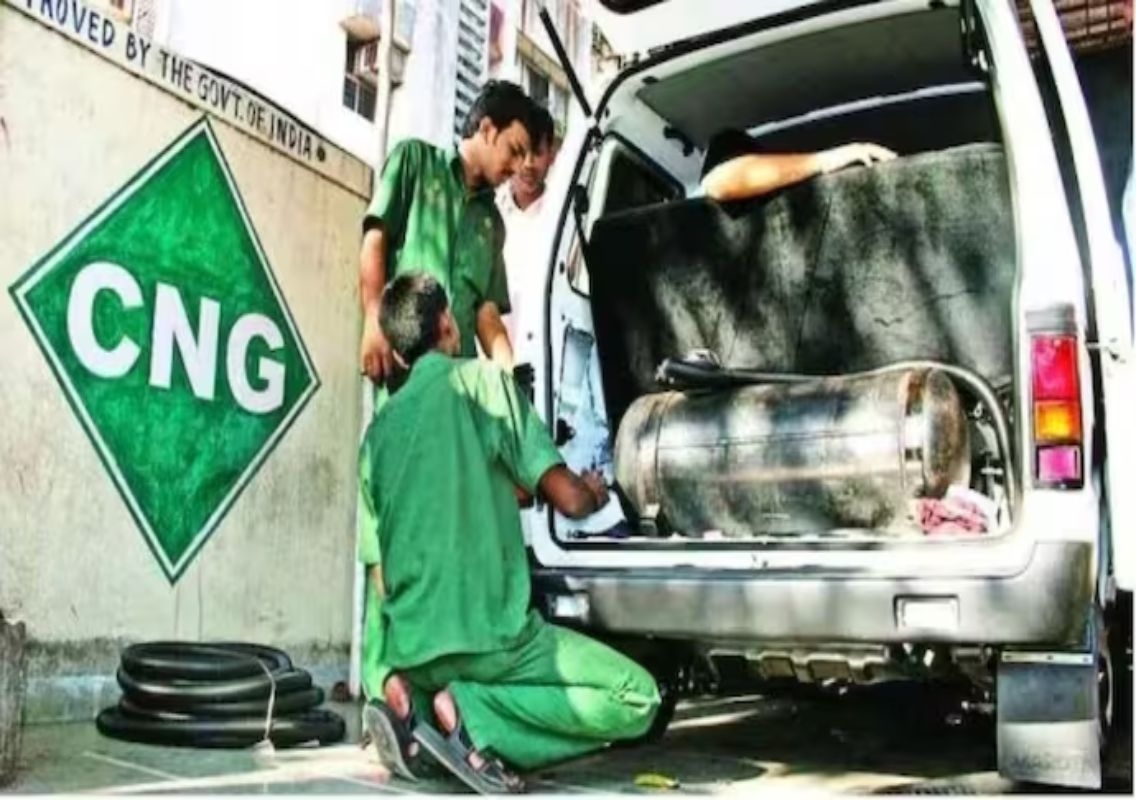


New Delhi: Compressed Natural Gas (CNG) prices have been increased again by Rs 2 per kg, marking the fourth hike in less than two weeks and adding further pressure on household budgets. With the latest revision effective from 6 am on May 26, CNG in Delhi now costs Rs 83.09 per kg.
This is the third price hike in the past nine days and the fourth within 11 days. Earlier revisions included a Re 1 per kg increase on Sunday and another Re 1 per kg hike on Friday, following a Rs 2 per kg rise on May 15. In total, CNG prices in the Delhi-NCR region have surged by Rs 7 per kg since mid-May.
Rapid increase in fuel prices
The latest hike comes amid a broader trend of rising fuel prices across India. Petrol and diesel rates were also revised upwards recently, reflecting the sustained increase in global crude oil prices.
According to reports, petrol prices rose by 87 paise per litre, while diesel increased by 91 paise per litre. In Delhi, petrol is now priced at Rs 99.51 per litre and diesel at Rs 92.49 per litre. These hikes mark the third increase in fuel rates this month.
India’s fuel retail sector is largely controlled by state-run companies such as Indian Oil Corporation, Bharat Petroleum Corporation Limited and Hindustan Petroleum Corporation Limited, which together account for nearly 90% of fuel sales in the country.
Global factors driving price surge
The primary driver behind the repeated fuel price hikes is the sharp rise in international crude oil prices. Brent crude is currently trading around USD 86 per barrel, significantly higher than about USD 72 per barrel before geopolitical tensions escalated in late February.
A key factor influencing global oil prices is the ongoing conflict involving Iran and the United States, which has raised concerns about supply disruptions in the Strait of Hormuz. This narrow waterway is one of the world’s busiest energy corridors, handling nearly one-fifth of global oil and gas shipments.
Any disruption in this region has immediate implications for global energy markets, pushing prices higher and increasing import costs for countries like India, which relies heavily on foreign crude.
No change in domestic LPG and PNG
Despite the surge in CNG prices, there has been no change so far in the prices of piped natural gas (PNG) supplied to households or domestic LPG cylinders. This has provided some relief to consumers, although transport fuel costs continue to rise.
The Petroleum Ministry has also reassured the public that India has adequate fuel supplies and that there is no shortage despite rumours circulating in the market.
Impact on consumers and economy
The repeated increase in CNG prices is expected to have a cascading effect across sectors. For daily commuters and public transport operators, higher CNG costs directly translate into increased travel expenses.
Transporters and logistics companies are also likely to face rising operational costs, which may eventually be passed on to consumers in the form of higher prices for goods and services. Essential commodities, including food items, could see price increases as transportation costs rise.
Experts warn that sustained fuel price hikes can contribute to inflationary pressures, affecting overall economic stability. However, officials argue that these adjustments are necessary to balance the rising cost of crude oil imports and ensure uninterrupted fuel supply.
India imports nearly 85% of its crude oil requirements, making domestic fuel pricing highly sensitive to global market fluctuations. As international prices continue to remain volatile, further revisions in fuel rates cannot be ruled out.
Conclusion
The latest CNG price hike underscores the growing impact of global energy dynamics on domestic fuel costs. While the government maintains that supply remains stable, consumers are likely to feel the pinch as transportation and daily expenses rise.
With geopolitical tensions and crude oil prices showing no immediate signs of easing, fuel costs may remain elevated in the near term. For now, both policymakers and consumers will need to navigate this period of volatility carefully.