







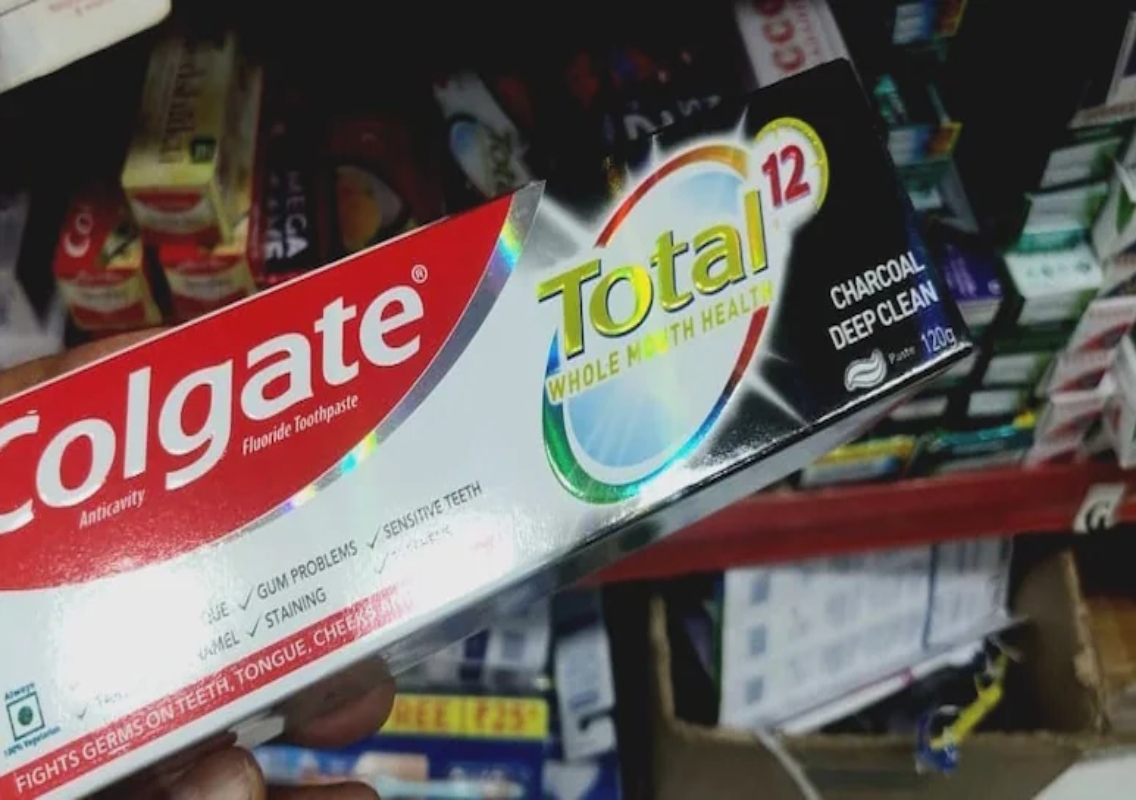


New York: Colgate-Palmolive is considering selling several mass-market personal care brands, including Softsoap, Irish Spring and Speed Stick, in a potential deal that could fetch more than $1 billion, according to people familiar with the matter. The company is working with investment bank Goldman Sachs on the possible divestment, Reuters reported.
The proposed sale is part of a broader review of Colgate-Palmolive’s portfolio as consumer goods companies look to focus their resources on stronger brands amid rising costs, tariff pressures and cautious consumer spending.
The discussions are private and no final decision has been announced. Colgate-Palmolive and Goldman Sachs declined to comment on the reported sale process.
Softsoap, Irish Spring and Speed Stick under review
The brands being considered for a possible sale are part of Colgate-Palmolive’s personal care business.
The division includes products across several categories, such as deodorants, bar and liquid soaps, shower gels and skincare. Reuters reported that Colgate is currently looking at divesting only a few brands within the broader unit rather than selling its entire personal care business.
Softsoap is known for its liquid hand soaps and body washes, while Irish Spring is a long-standing bar and body soap brand. Speed Stick operates in the deodorant and antiperspirant category.
Together, the brands under consideration could potentially generate proceeds of more than $1 billion, although the final value would depend on the assets included and the outcome of any sale process.
Colgate looks to sharpen its portfolio
The potential divestment comes as large consumer companies increasingly reassess their brand portfolios.
Higher energy and input costs, tariffs and pressure on consumers have encouraged multinational consumer-goods companies to concentrate capital and management attention on businesses where they see stronger long-term growth potential.
Selling brands that are considered non-core or less strategically important can provide companies with additional capital while allowing management to focus on their most important businesses.
The trend has been visible across the global consumer sector. Reuters noted that Unilever has agreed to sell its food business to McCormick for $45 billion, while Nestle recently agreed to sell its vitamins business to Yellow Wood Partners for around $1 billion.
Colgate’s reported review therefore comes against a wider backdrop of portfolio reshaping across the consumer-goods industry.
Personal care remains a significant business
Despite the possible sale, Colgate’s personal care operations remain a sizeable part of the company.
The broader personal care unit includes both mass-market and prestige brands and accounted for about 17% of Colgate-Palmolive’s net sales in 2025, implying revenue of approximately $3.5 billion.
The company is not considering an exit from personal care altogether. Instead, the reported strategy involves evaluating selected brands while retaining the wider business.
Colgate’s largest segment continues to be oral care, which includes its flagship Colgate toothpaste brand. Oral care accounted for almost half of the company’s net sales in 2025. The company also operates home care and pet nutrition businesses.
North America remains a challenge
The portfolio review comes at a time when Colgate is facing increased competition in its North American market.
The company reported a 4.9% increase in net sales in its latest quarterly results, but organic sales in North America declined 3%. Colgate CEO Noel Wallace recently said the company was dealing with intensifying competition in the region and described improving the business as a long-term turnaround.
The situation makes portfolio decisions increasingly important. By focusing resources on brands and categories with better growth prospects, Colgate could potentially improve efficiency and strengthen investment in its core businesses.
At the same time, any sale would mean giving up future revenue and cash flows from the brands being divested, making the valuation and strategic rationale important considerations for investors.
Colgate shares have gained this year
Investors have so far remained positive on Colgate-Palmolive’s shares. The company’s market capitalisation is around $70 billion, while its stock has gained about 11% so far this year, according to LSEG data.
The reported divestment could therefore become another important development in Colgate’s broader strategy to streamline its portfolio and concentrate on its strongest businesses.
However, investors should distinguish between a reported strategic review and a completed transaction. Colgate has not confirmed that it will sell the brands, and there is no announced buyer or final deal value at this stage.
If the process moves ahead, the potential $1 billion-plus transaction would nevertheless mark a significant reshaping of Colgate-Palmolive’s personal care portfolio.