







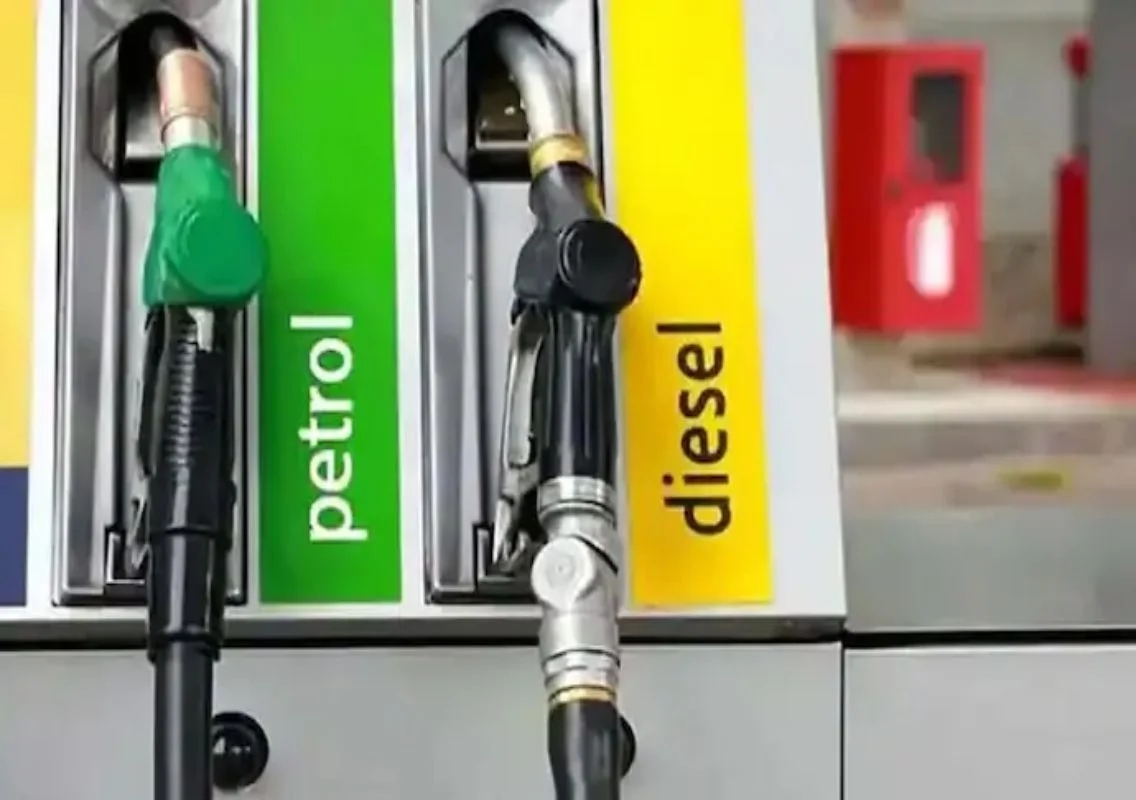


New Delhi: Global crude oil prices have surged past the $100-per-barrel mark once again, sparking fresh concerns among Indian consumers about a possible increase in petrol and diesel prices. While fuel rates across the country remain unchanged for now, experts caution that sustained high crude prices could soon put pressure on the current pricing system.
India, which imports nearly 85 per cent of its crude oil requirements, is particularly vulnerable to global price fluctuations. Any prolonged rise in international oil prices typically impacts domestic fuel costs, either directly or indirectly.
No immediate relief or hike yet
Despite crude oil breaching the $100 mark, there has been no immediate revision in petrol and diesel prices. This is largely because oil marketing companies (OMCs) rely on short-term buffers such as existing inventory, refining margins, and internal adjustments to manage temporary price shocks.
A one-day spike in crude oil prices does not automatically translate into higher fuel costs at the pump. However, if prices remain elevated for an extended period, the ability of OMCs to absorb losses diminishes significantly.
Pressure building on oil companies
Industry experts highlight that Indian OMCs are already under financial strain. At crude oil levels of around $95 per barrel, companies have reportedly been absorbing losses of approximately ₹1,600 crore per day, amounting to nearly ₹48,000 crore monthly.
Such losses are not sustainable in the long run. Analysts point out that the profit buffers built by these companies in previous years are now largely exhausted. If crude prices remain above $100, the financial burden on these firms is expected to increase further.
How long can prices stay stable?
The duration for which petrol and diesel prices can remain unchanged depends largely on how long crude oil prices stay elevated. Experts suggest that while companies may manage short-term fluctuations, sustained high prices—especially above $100 per barrel—could force a policy response.
If crude oil remains in the range of $85 to $95 per barrel, OMCs may be able to maintain price stability for a limited period, possibly a quarter or two. However, once prices cross the $100 threshold and stay there, margins come under severe pressure, making it difficult to avoid fuel price hikes.
Government’s role and possible scenarios
In such a situation, the government has limited options. It can choose to:
- Allow fuel prices to rise gradually
- Reduce excise duties to cushion the impact on consumers
- Ask OMCs to temporarily absorb losses
Each option carries its own economic implications. A price hike affects inflation and household budgets, while tax cuts reduce government revenue. Continued absorption of losses by OMCs can weaken their financial health.
What lies ahead?
At present, there is no official announcement indicating an immediate increase in petrol or diesel prices. However, experts warn that if crude oil prices remain above $90–$100 per barrel for several weeks or months, some form of price adjustment may become inevitable.
Consumers are unlikely to feel the impact immediately, but the risk of higher fuel prices is steadily increasing. If the current trend continues, India could soon face a familiar dilemma—balancing economic stability with the need to protect consumers from rising fuel costs.
Conclusion
While petrol and diesel prices remain stable for now, the situation is far from secure. The trajectory of global crude oil prices in the coming weeks will play a crucial role in determining whether Indian consumers will have to pay more at the pump. A prolonged surge above $100 per barrel could make fuel price hikes not just possible, but unavoidable.