







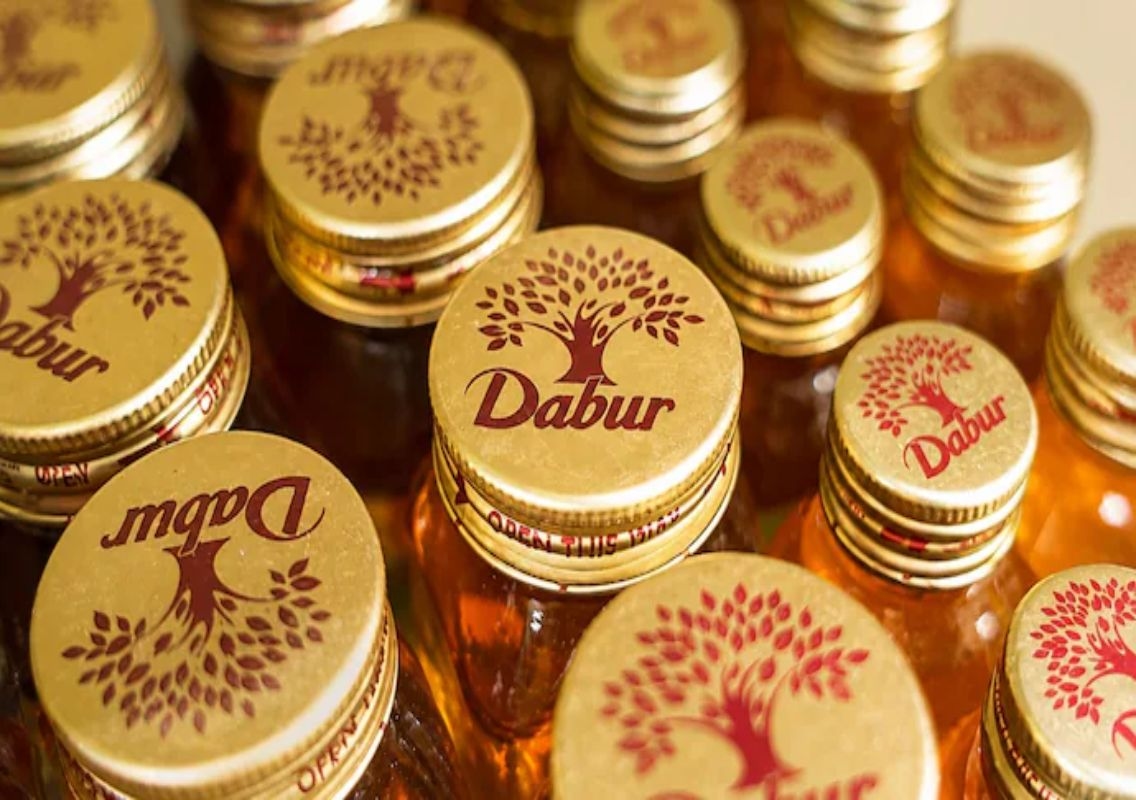


New Delhi: Dabur India has approached the Delhi High Court challenging an order issued by the Food Safety and Standards Authority of India (FSSAI) that bars the sale of several of its food products carrying “100 per cent” claims.
The move comes days after the food regulator directed the company to immediately stop selling items labelled with phrases such as “100 per cent natural”, “100 per cent pure” and “100 per cent organic”, calling them ambiguous, unverifiable and potentially misleading for consumers.
What triggered the dispute
The FSSAI’s prohibition order applies to a wide range of Dabur products, including:
- Honey
- Cow ghee
- Apple cider vinegar
- Virgin coconut oil
- Sesame oil
- Coconut water and coconut milk
The regulator said these products were being marketed with “100 per cent” claims that violate the Food Safety and Standards (Advertising and Claims) Regulations.
It also flagged instances where certain products allegedly displayed the Jaivik Bharat logo without valid organic certification, raising concerns over compliance.
Dabur’s key arguments in court
In its petition, Dabur has raised multiple legal objections against the regulator’s action:
- Violation of natural justice: The company claims no prior show-cause notice or hearing opportunity was provided before the ban.
- Questioning FSSAI’s powers: Dabur argues that the regulator lacks authority to impose such a blanket prohibition in the manner adopted.
- “Non-speaking” order: It has termed the directive vague, lacking reasoning and proper application of mind.
- Reputational damage: Dabur has objected to the public disclosure of the order, saying it has harmed its brand image.
The company has also pointed out that similar “100 per cent” claims are widely used by other players in the industry, questioning why it alone was targeted.
The matter is scheduled for hearing before Justice Swarana Kanta Sharma.
FSSAI’s stance on ‘100%’ claims
The FSSAI has maintained that “100 per cent” claims are not permissible under existing regulations because:
- They are difficult to scientifically verify
- They may create a misleading impression of absolute purity
- They can influence consumer decisions unfairly
The regulator has also stated that it had previously issued a notice to Dabur directing it to discontinue such claims, but found the response inadequate.
Following this, it ordered the company to:
- Stop selling identified products immediately
- Withdraw similar claims from other products
- Submit an Action Taken Report (ATR) within 15 days
Increasing scrutiny on food labelling
The action against Dabur reflects a broader trend of tighter regulatory oversight by the FSSAI.
In recent months, the regulator has intensified action against:
- Misleading advertisements
- Health and nutrition claims
- Improper labelling practices
It has also increasingly used public disclosures and digital platforms to announce enforcement actions, signalling stricter compliance expectations for food companies.
What lies ahead
The case will test both the scope of FSSAI’s regulatory powers and the procedural safeguards required before enforcing such actions.
If the court finds merit in Dabur’s claims, it could:
- Reinforce the importance of due process in regulatory actions
- Clarify limits on enforcement powers of food regulators
At the same time, the outcome may also shape how food companies use terms like “natural”, “pure” and “organic” in product marketing going forward.
Conclusion
The dispute between Dabur and FSSAI highlights the growing tension between consumer protection regulations and marketing practices in the FMCG sector. While regulators aim to prevent misleading claims, companies are increasingly pushing back on procedural and legal grounds.
The Delhi High Court’s ruling will likely have wider implications for the food industry, especially in how claims are framed and enforced in India.