







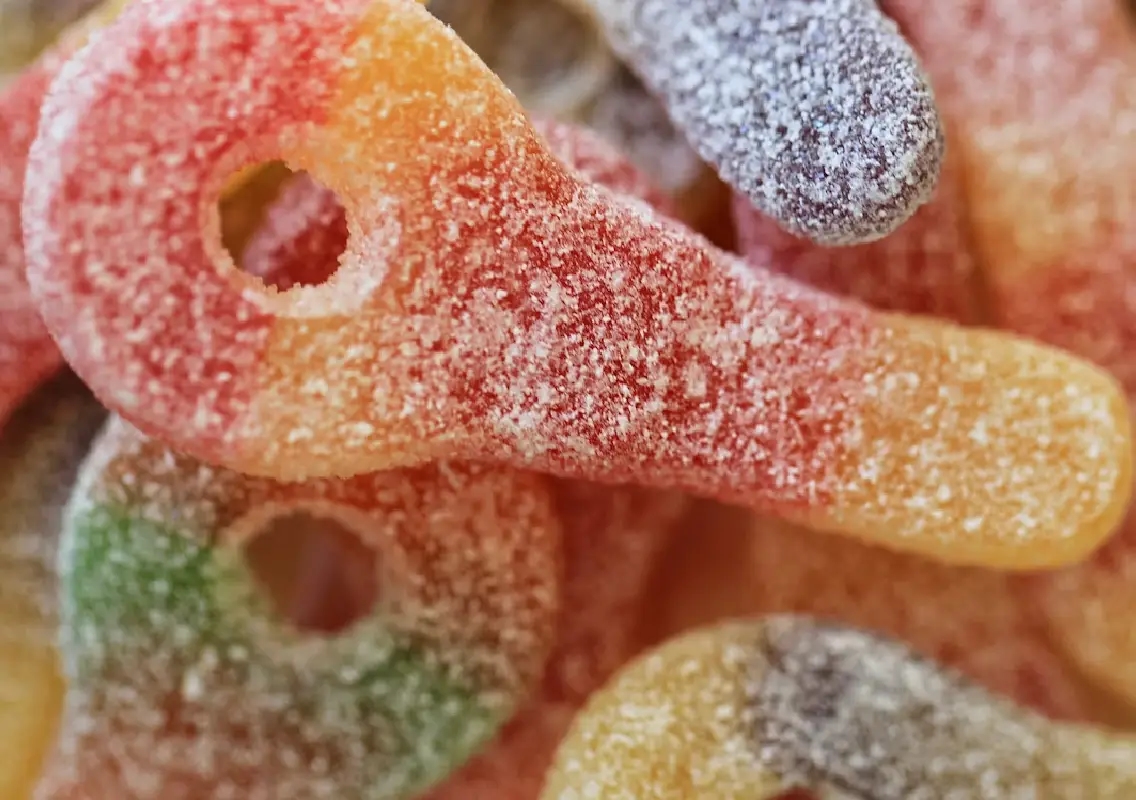


Once a quirky TikTok-driven experiment, freeze-dried candy has now entered the global mainstream as confectionery makers race to meet rising demand. The crunchy, weightless versions of familiar sweets are attracting consumers of all ages, blending novelty with nostalgia and transforming a niche process into a multi-billion-dollar business.
Excerpt
Freeze-dried candy is rapidly expanding from a viral social-media trend to a global market as major brands join small makers in producing these crunchy, flavour-intense sweets.
From social-media novelty to global sensation
For many fans, the appeal lies in the unexpected texture. Toronto resident Savannah Louise West describes freeze-dried gummies as “satisfyingly crunchy” and unlike anything she had tasted before. This surprise factor helped early adopters gain large online audiences, with TikTok creators showcasing puffed-up versions of Skittles, peach rings and gummy worms to millions.
Small independent confectioners were among the first to ride the trend, but as demand soared, multinational companies entered the field. Brands such as Hershey, Mars and Ferrara now produce freeze-dried variants of their signature products, rapidly expanding distribution to supermarkets, online stores and speciality chains.
Industry analysts estimate the market will grow from $1.3 billion in 2024 to $3.1 billion by 2034, signalling long-term commercial potential.
How freeze-drying transforms sweets
Despite the name, experts note that freeze-dried candy is somewhat inaccurately labelled. According to researchers in food engineering, the technique is closer to vacuum-puffing than traditional freezing. Most candies contain little freezable water, making the process far more reliant on pressure changes than temperature alone.
The process
Under ultra-low temperatures, moisture in the sweets becomes solid. A vacuum chamber then extracts the ice as vapour, reducing internal pressure and causing the candy to expand dramatically. The result is a brittle structure resembling a crisp rather than a chew.
Manufacturers say the absence of moisture enhances flavour intensity. Yet not all sweets are suitable:
- Tic Tacs and jellybeans lack sufficient water to expand.
- Chocolate melts too quickly to survive the heating stage.
The method works best with gummies and aerated sweets that contain both water and air pockets.
A booming niche with a few challenges
Although demand continues to climb, freeze-dried candy presents practical challenges. The treats are extremely fragile, often crumbling during transport. Consumers also note that the products can be expensive due to the specialised equipment required and the energy-intensive process.
However, retailers and manufacturers believe the novelty factor outweighs the drawbacks. The industry is banking on the continued appetite for unique textures, bold flavours and visually striking products that resonate with social-media audiences.
In a confectionery landscape that constantly seeks reinvention, freeze-dried candy represents a rare alignment of science, creativity and viral culture.