







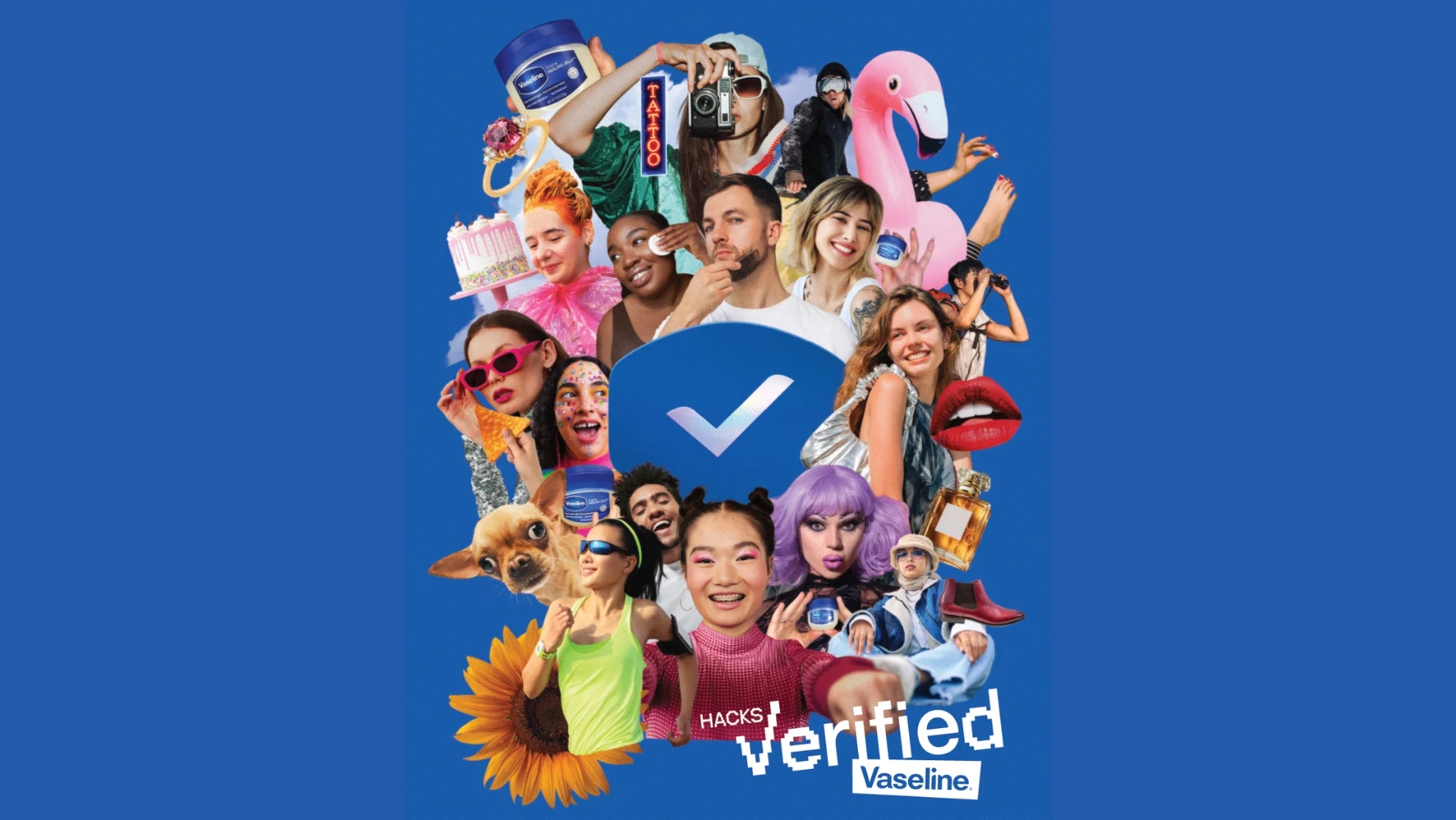


Discovered more than 150 years ago on a Pennsylvania oilfield, Vaseline may seem an unlikely contender for social media fame. Yet the humble petroleum jelly has emerged as a major talking point on TikTok, symbolising a wider shift in how global brands market their products in the digital age.
Originally developed in the 1870s by chemist Robert Chesebrough after he noticed oil rig workers using drilling residue to heal cuts and burns, Vaseline is now enjoying renewed relevance online. A wave of user-generated “life hack” videos has showcased its use for everything from cleaning shoes and restoring leather handbags to prolonging perfume scent and even preventing flavoured crisps from sticking to fingers.
How TikTok changed the marketing playbook
Recognising the product’s viral resurgence, consumer goods giant Unilever, which owns Vaseline, chose not to resist or ignore the trend. Instead, it leaned in.
Marketers asked Unilever scientists to test popular online claims and openly shared the results with creators. Hacks such as reducing the sting of spicy food on lips, prolonging perfume and restoring leather goods were validated. Others — including claims that Vaseline could whiten teeth or lengthen eyelashes — were publicly debunked.
This approach, known as “social listening”, reflects how brands are increasingly monitoring and responding to online conversations rather than driving them solely through traditional advertising.
Big brands, smaller screens
Unilever’s recently appointed chief executive, Fernando Fernández, has indicated that the company aims to allocate up to half of its vast advertising budget to social media content. According to Selina Sykes, a senior Unilever executive leading the effort, brands now need to “be part of the conversation without killing the party”.
“The shift is from one-to-many broadcasting to many conversations across many communities,” Sykes said, noting that creators play a critical role in building trust and relevance.
Decline of traditional advertising
The Vaseline case reflects a broader transformation in media consumption. Younger audiences now spend significantly more time on platforms such as TikTok, Instagram and YouTube than on television or print. In the UK alone, TV advertising revenues have fallen by over £600 million in real terms since 2019.
Industry data from the Interactive Advertising Bureau shows spending on the creator economy growing four times faster than the wider media industry, with US expenditure expected to reach $37 billion in 2025.
Not the end of TV — yet
Despite the shift, Unilever and industry experts insist traditional media still matters. High-impact events such as the Super Bowl continue to deliver strong returns, proving that while attention is fragmented, mass moments still hold power.
For Vaseline, however, the lesson is clear: even a 19th-century product can thrive in a 21st-century algorithm — if it listens first.