







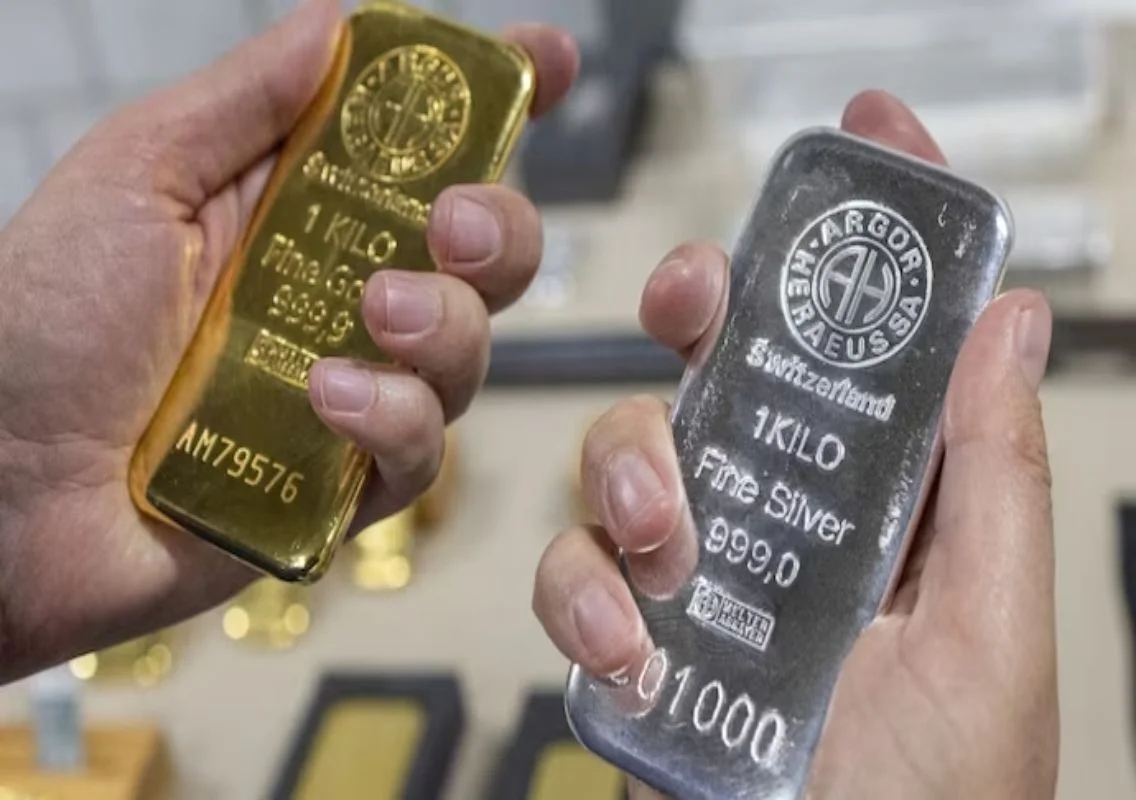


At the time of writing, gold on the Multi Commodity Exchange of India was trading at around Rs 1,52,881, down by Rs 713, while silver stood at Rs 2,42,602, lower by Rs 1,166.
Gold cools after recent highs
After months of steady gains, gold prices witnessed profit booking in March 2026. According to a report by Tata Mutual Fund, gold prices fell by around 7% in India, while global prices declined by nearly 11% in dollar terms.
The decline was largely driven by a stronger US dollar and rising margin calls, which forced investors to liquidate positions amid geopolitical tensions, particularly in West Asia.
However, the fall in domestic prices remained relatively limited due to the weakening rupee, which cushioned the impact for Indian investors.
Short-term pause, long-term strength
Experts believe that gold may remain range-bound in the short term due to mixed global cues such as interest rate outlook, bond yields and currency movements.
The report suggests that gold prices could see fluctuations of around 5% in the near term. However, the broader outlook remains positive, supported by long-term demand, central bank buying and global uncertainties.
Gold continues to be seen as a safe-haven asset, especially during periods of market volatility. Analysts recommend gradual accumulation during price dips rather than aggressive lump-sum investments.
Silver under pressure from demand concerns
Unlike gold, silver is facing additional pressure due to its dependence on industrial demand.
The report highlighted that silver prices have declined alongside industrial metals, reflecting concerns over slowing global economic growth. Lower demand from sectors such as solar energy and manufacturing has weighed on prices.
This makes silver more vulnerable to economic slowdowns compared to gold.
Why silver behaves differently
Silver’s dual role as both a precious metal and an industrial commodity leads to a different price trajectory.
While geopolitical tensions typically boost gold prices, silver does not always benefit in the same way. Rising energy costs during global conflicts can increase production expenses, reducing industrial demand for silver.
As a result, silver prices are influenced not just by investor sentiment but also by broader economic activity.
What should investors do now?
Given the current volatility, experts recommend a balanced and disciplined investment strategy.
For gold, dips may offer opportunities for long-term investors looking to build positions gradually. Its role as a hedge against inflation and uncertainty continues to make it a reliable portfolio component.
For silver, a more cautious approach is advisable. Investors may consider staggered investments over time, keeping in mind its sensitivity to global economic trends.
Conclusion
The recent dip in gold and silver prices reflects a mix of global economic factors rather than a clear directional shift. While gold retains its appeal as a safe-haven asset, silver’s outlook remains tied to industrial demand recovery.
For investors, the key lies in patience and strategy — using price corrections wisely while avoiding impulsive decisions in a volatile market