


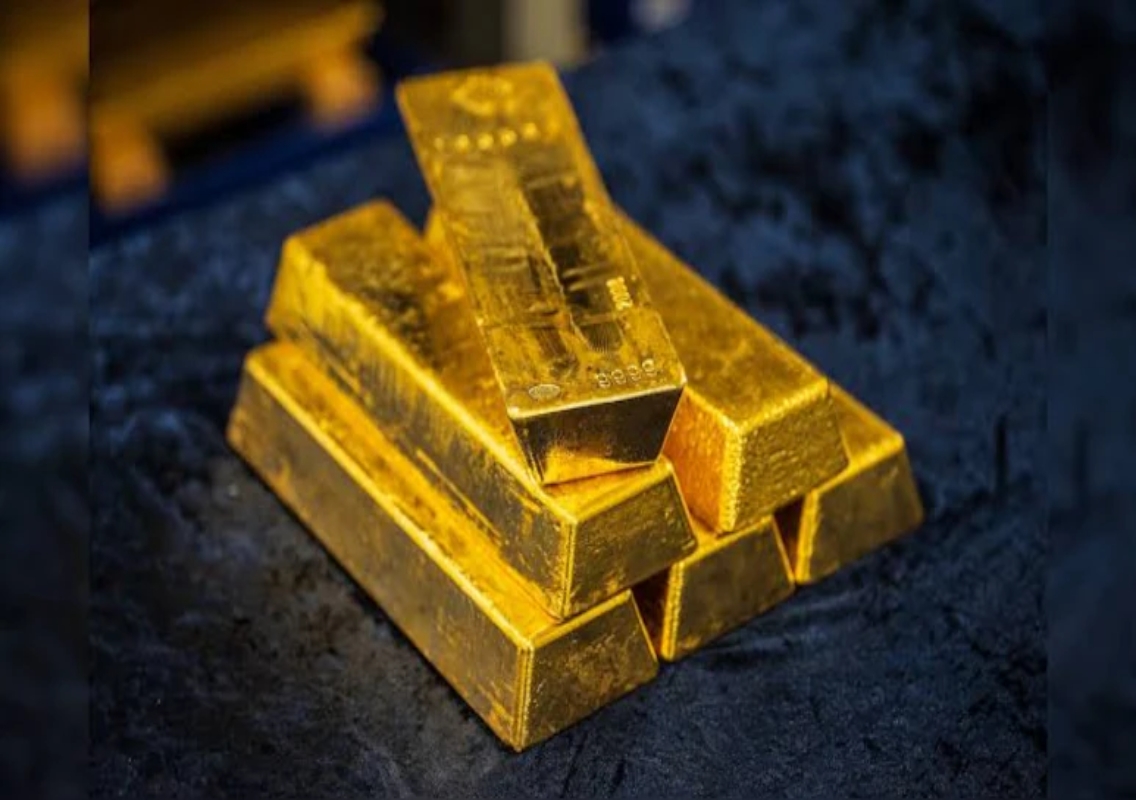


New Delhi: Gold prices continued to face pressure on Thursday, October 29, 2026, as the precious metal extended its decline in domestic and international markets. The price of 24-carat gold in India stood at ₹1,44,000 per 10 grams in early trading, while 22-carat gold was priced at ₹1,32,000 per 10 grams. Silver was quoted at ₹1,94,990 per kilogram.
In the international market, Comex gold slipped to around $4,051 per ounce during early trade, continuing its recent losing streak. Gold futures for December delivery on the Multi Commodity Exchange (MCX) settled at ₹1,43,705 per 10 grams on October 28, down around 0.3%. Silver futures for December delivery also declined by approximately 1.2%, closing at ₹1,94,325 per kilogram.
The latest movement comes as traders assess rising crude oil prices, expectations surrounding US monetary policy and the outlook for interest rates. For Indian consumers planning jewellery purchases, the decline is worth monitoring, although the final amount paid will depend on local jeweller rates, purity, making charges and applicable taxes.
Gold rates in major Indian cities on October 29
The latest city-wise figures show variations in gold prices across India’s major jewellery markets. Chennai recorded the highest 24-carat rate among the six cities listed, at ₹1,44,160 per 10 grams. Delhi had the lowest quoted 24-carat rate, at ₹1,43,490 per 10 grams.
The reported rates are:
| City | 24K gold per 10g | 22K gold per 10g |
|---|---|---|
| Mumbai | ₹1,43,740 | ₹1,31,762 |
| Delhi | ₹1,43,490 | ₹1,31,533 |
| Chennai | ₹1,44,160 | ₹1,32,147 |
| Kolkata | ₹1,43,550 | ₹1,31,588 |
| Bengaluru | ₹1,43,850 | ₹1,31,863 |
| Hyderabad | ₹1,43,970 | ₹1,31,973 |
These figures are indicative market rates reported in the morning update. Prices can change during the day, and different data providers or jewellers may publish slightly different quotations.
Why are gold prices declining?
Gold prices have come under pressure amid a combination of higher crude oil prices and changing expectations about US interest rates. The previous session’s decline to rising oil prices, which have contributed to expectations that the US Federal Reserve could raise interest rates in the near term.
Gold does not pay interest, unlike certain bonds and deposits. When investors expect interest rates to rise, interest-bearing assets can become more attractive relative to gold. Higher interest-rate expectations can therefore weigh on demand for the precious metal.
However, gold prices are influenced by several factors, including movements in the US dollar, inflation expectations, bond yields, central-bank purchases, geopolitical uncertainty and investment demand. A change in any of these factors can alter the direction of prices.
International bullion prices also affect India’s domestic market. The rupee-dollar exchange rate, import costs and local demand influence the price Indian buyers pay. As a result, a decline in international gold prices does not always translate into an identical fall in domestic retail quotations.
Silver prices also remain under pressure
Silver prices declined alongside gold in the latest trading session. The domestic silver rate stood at ₹1,94,990 per kilogram in the early morning update, while December silver futures on the MCX settled at ₹1,94,325 per kilogram on October 28.
The city-wise rates for fine silver of 999 purity were reported as follows:
- Mumbai: ₹1,94,640 per kg
- Delhi: ₹1,94,300 per kg
- Chennai: ₹1,95,200 per kg
- Kolkata: ₹1,94,380 per kg
- Bengaluru: ₹1,94,790 per kg
- Hyderabad: ₹1,94,950 per kg.
Silver prices are influenced by investment demand as well as industrial consumption, including demand from electronics and solar-energy manufacturing. These additional uses mean that silver can respond differently from gold to changes in economic growth and industrial activity.
What gold buyers should know before purchasing jewellery
Consumers should distinguish between the quoted market price of gold and the final retail price of a piece of jewellery. The amount payable depends on the weight and purity of the gold, the jeweller’s rate, making charges and applicable taxes.
24-carat gold is highly pure and is commonly used for bullion and investment products. 22-carat gold contains a higher proportion of other metals, making it more suitable for many types of jewellery. Buyers should check the purity marking and hallmarking details before completing a purchase.
Making charges can vary considerably depending on the design, manufacturing method and jeweller. Customers should ask for an itemised bill showing the gold rate, net weight, purity, making charges and GST. Comparing quotations from more than one established jeweller can help buyers understand the total cost.
Those purchasing gold as an investment should also consider that prices may move both upwards and downwards. A short-term fall does not guarantee an immediate recovery, and jewellery purchases involve costs that may not be recovered when the item is resold.
Outlook for gold prices
Gold traders will continue to monitor US monetary-policy signals, crude oil movements, the dollar and broader investor sentiment. Expectations of higher interest rates may weigh on bullion, while renewed uncertainty or stronger investment demand could support prices.
For Indian buyers, domestic prices will also depend on currency movements and local market conditions. The rates published on October 29 provide a snapshot of the market rather than a guaranteed price for the entire day.
Consumers planning a purchase should confirm the latest rate with their jeweller before visiting a store. Investors, meanwhile, should consider their time horizon and risk tolerance rather than making decisions solely on the basis of a single day’s price movement.