







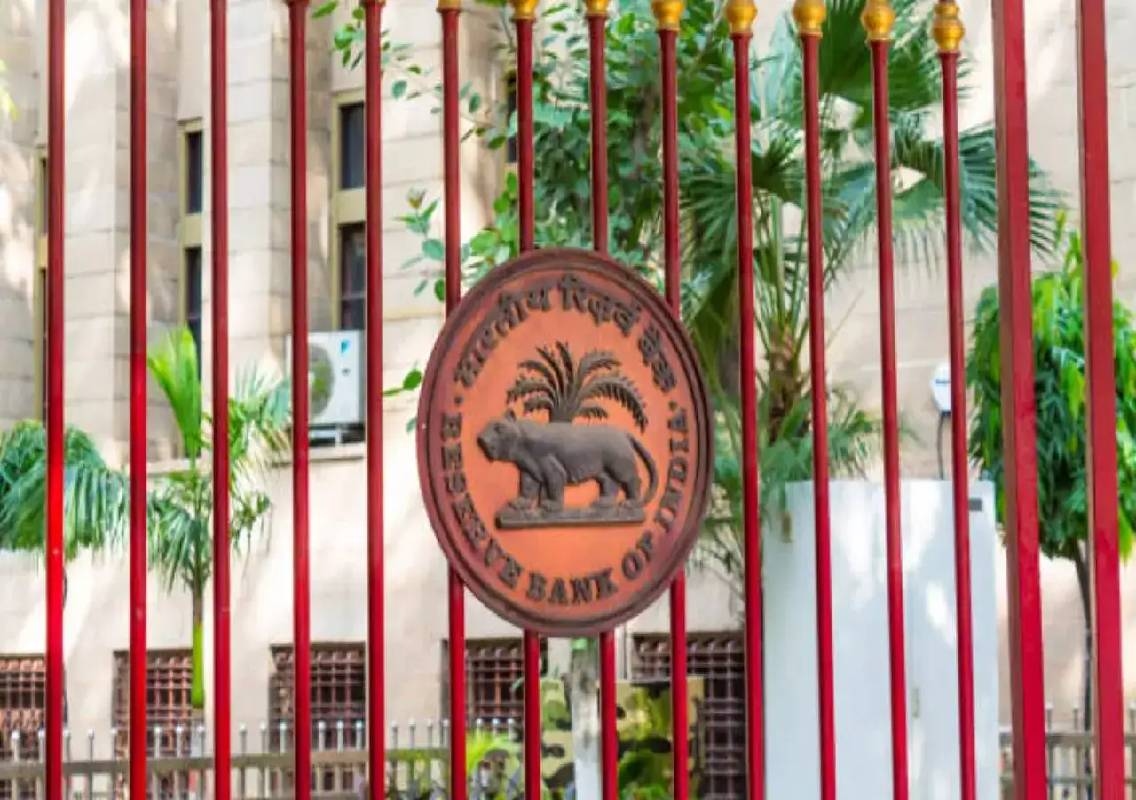


New Delhi: The Central Government has approved the Reserve Bank of India’s (RBI) proposal to conduct field trials of ₹10 and ₹20 polymer banknotes, marking a significant step towards testing more durable plastic currency in India. The pilot programme will involve the issuance of 1 billion ₹10 notes and 1 billion ₹20 notes to assess their performance under Indian conditions before any decision on wider adoption is taken.
The Finance Ministry clarified that the move is only a trial and that there are no plans to replace existing paper currency at this stage. Both polymer and paper notes will continue to circulate simultaneously during the testing phase.
What are polymer banknotes?
Polymer banknotes are made from a special plastic substrate instead of traditional cotton-based paper. They are already used in several countries, including Australia, Canada and the United Kingdom, because they last longer and incorporate advanced security features that make counterfeiting more difficult.
Compared with conventional paper notes, polymer currency is more resistant to moisture, dirt and tearing, resulting in a longer lifespan and potentially lower replacement costs.
Details of the RBI trial
According to the government, the RBI will issue 1 billion pieces each of ₹10 and ₹20 polymer notes as part of the field trial.
The pilot is intended to evaluate how the notes perform under India’s varied climatic conditions and heavy circulation. The central bank will examine factors such as durability, print quality, security features and overall cost-effectiveness before deciding on any future expansion of polymer currency.
Paper notes will continue
The government has emphasised that the pilot does not signal the withdrawal of existing paper notes.
Instead, polymer and paper currency will remain in circulation together during the trial period, allowing the RBI to compare their performance under real-world conditions before taking any long-term policy decision.
Why India is testing polymer notes
The RBI has explored polymer banknotes in the past to improve the durability and security of low-denomination currency.
Polymer notes generally remain in circulation much longer than paper notes, reducing printing and replacement costs over time. They also allow for sophisticated security elements that can help combat counterfeiting.
What happens next?
The field trial will help the RBI determine whether polymer notes are suitable for wider use across India.
If the pilot proves successful, the central bank could consider expanding polymer currency to other denominations in the future. However, officials have stressed that no decision has been taken on a nationwide rollout at this stage.
Conclusion
The government’s approval for RBI’s field trial of ₹10 and ₹20 polymer banknotes marks another step in modernising India’s currency system. While the pilot aims to test the durability and security advantages of plastic notes, paper currency will continue to remain legal tender, with any broader rollout depending on the trial’s outcome.