







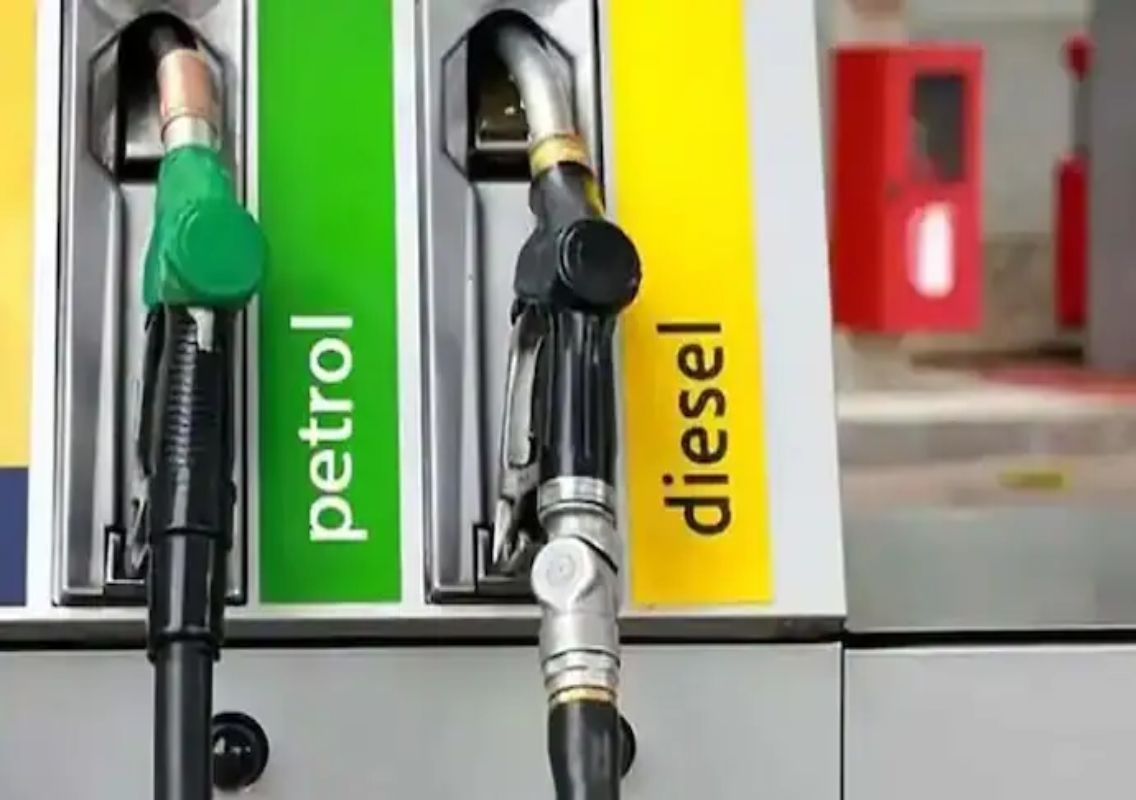


New Delhi: The Centre has decided not to compensate state-run oil marketing companies (OMCs) for losses incurred from holding retail fuel prices steady, even as global crude oil prices remain elevated, according to reports.
The move reflects a clear policy priority — shielding consumers from inflation, while shifting part of the burden to businesses and oil firms.
No compensation for oil PSUs
State-run fuel retailers such as Indian Oil Corporation, Hindustan Petroleum Corporation and Bharat Petroleum Corporation will not receive financial support for selling petrol, diesel and LPG below market-linked prices.
This comes despite crude oil benchmarks like Brent and WTI remaining above $100 per barrel amid ongoing global supply concerns.
Retail consumers remain protected
The government has chosen to keep prices of petrol, diesel, domestic LPG and jet fuel for Indian carriers unchanged, aiming to limit the impact on household budgets.
Fuel prices have a direct bearing on:
- Transportation costs
- Food prices
- Overall inflation
By holding rates steady, the government is attempting to contain inflationary pressures and support consumer spending.
Cost passed to bulk users
While retail buyers are protected, OMCs have begun passing on higher costs to select segments, including:
- Bulk diesel buyers (around 10% of total sales)
- Industrial LPG consumers
- Foreign airlines through higher jet fuel prices
This targeted approach allows companies to recover some losses without triggering widespread price increases.
A balancing act
The current strategy reflects a three-pronged approach:
- Consumers: Protected from price hikes
- Businesses: Bear partial cost increases
- Oil companies: Absorb remaining financial pressure
However, continued high crude prices could strain OMC finances further, especially if under-recoveries widen.
Inflation in focus
The decision is largely driven by inflation concerns. Rising fuel prices tend to ripple across the economy, increasing costs for goods and services.
By maintaining stable retail prices, the government is prioritising macroeconomic stability, even if it means short-term financial stress for oil companies.
What lies ahead
If global crude prices remain elevated for an extended period, policymakers may face tough choices:
- Allow gradual retail price hikes
- Offer fiscal support to OMCs
- Adjust fuel taxes
For now, the government appears committed to protecting consumers while managing the burden within the system, as energy market uncertainties persist.