







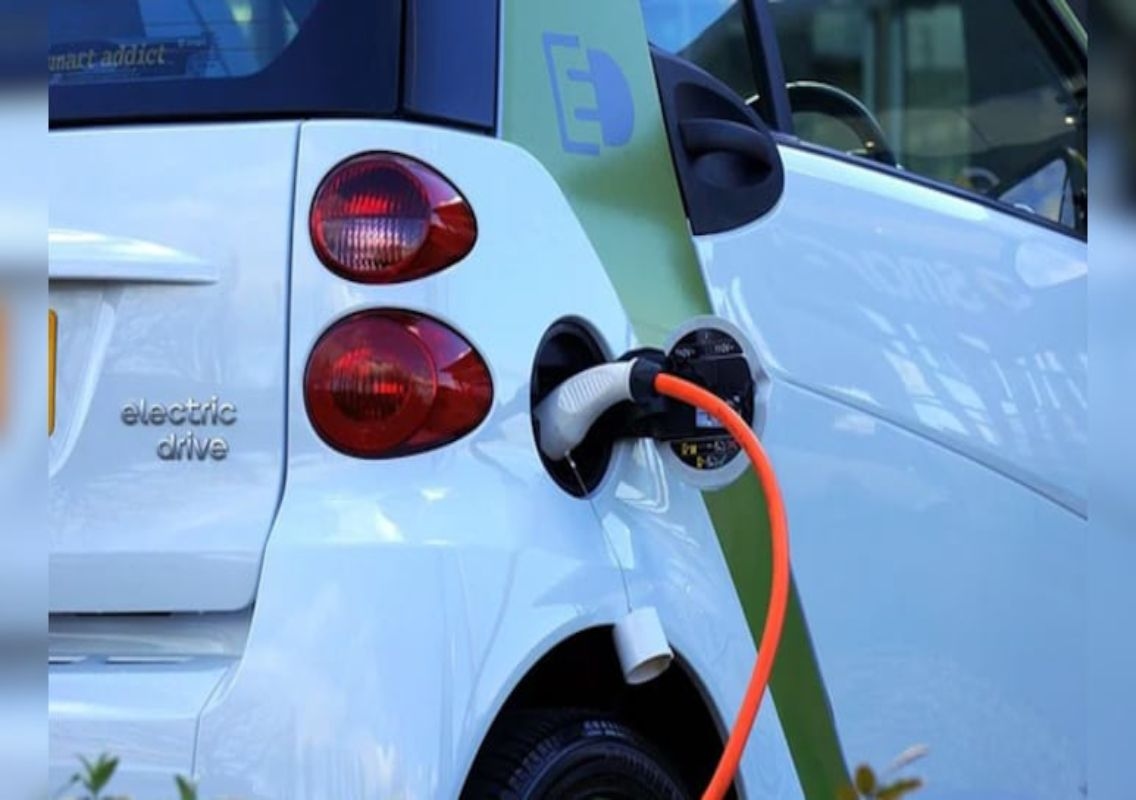


New Delhi: The Centre has proposed extending the permissible age of electric, CNG and other alternative-fuel vehicles by up to five years, in a move that could significantly change the operating life of commercial vehicles in India. The proposal is part of a wider set of reforms aimed at encouraging cleaner mobility while simplifying the national permit system for transport operators.
The government is also considering digitising national permits, which could make it easier for commercial vehicle operators to obtain and manage permits across states.
The proposals were discussed at a meeting of the National Road Safety Council and are intended to support cleaner transport while improving the ease of doing business for vehicle operators.
Five-year extension proposed for cleaner vehicles
Under the proposal, the age limit for vehicles running on electricity, compressed natural gas (CNG), liquefied natural gas (LNG) and other alternative fuels could be extended by up to five years.
The move would potentially allow eligible commercial vehicles to remain on the road for longer than their existing permitted age.
The proposal is particularly significant for operators who have invested in alternative-fuel vehicles with higher upfront costs.
A longer operating life could allow owners to spread their investment over a greater number of years, potentially improving the economics of switching from conventional fuels to cleaner alternatives.
The exact implementation framework, however, would depend on the government’s final decision and the rules notified following the consultation process.
Proposal linked to cleaner mobility
The proposed extension comes as India continues to encourage the adoption of cleaner transportation technologies.
Electric vehicles have expanded rapidly across several segments, while CNG remains an important alternative fuel for buses, taxis, three-wheelers and commercial vehicles.
Extending the age limit for such vehicles could provide an additional incentive for fleet operators to move away from conventional petrol and diesel vehicles.
For commercial operators, vehicle replacement is a major cost. If cleaner vehicles can legally operate for longer, the overall cost of ownership could become more attractive.
The government could therefore use vehicle-age rules as another tool to encourage the transition towards lower-emission transportation.
National permits could become digital
Another important proposal involves the national permit system for commercial vehicles.
The government is considering digitising national permits, potentially reducing paperwork and making the process more transparent.
At present, transport operators dealing with interstate movement have to navigate regulatory requirements that can involve documentation and interactions with different authorities.
A digital system could bring permit-related processes onto a common platform.
This could make it easier for operators to apply for permits, access documentation and manage renewals without relying heavily on physical paperwork.
What digital permits could mean for truck operators
For the road transport industry, administrative delays can increase operating costs.
Commercial vehicles frequently cross state borders, and operators need to ensure that the required permits and documents are valid.
Digitisation could reduce the time spent dealing with paperwork and government offices.
It could also allow authorities to verify permits electronically, potentially reducing disputes during inspections.
For fleet owners operating vehicles across multiple states, the benefits could be particularly significant.
A streamlined digital system could make interstate operations more predictable while reducing administrative burdens.
Road safety remains a key consideration
The proposed changes are being discussed in the context of road safety.
Extending the age of a vehicle does not necessarily mean that every older vehicle should automatically remain on the road.
Vehicle condition, fitness certification, maintenance standards and emissions compliance remain important considerations.
The government will therefore need to balance the benefits of longer vehicle lifespans against road safety and environmental concerns.
A well-maintained electric or CNG vehicle may have a different environmental and operational profile from an ageing diesel vehicle, but safety standards still need to be enforced.
The final rules will determine how the proposed extension is applied.
Potential benefit for EV fleet owners
Electric commercial vehicles can have relatively high upfront costs compared with conventional alternatives.
An extension of the permitted operating age could improve the economics of such investments.
For example, a fleet operator purchasing an electric commercial vehicle may be able to recover the initial investment over a longer period if the vehicle can legally operate for additional years.
This could be especially relevant for electric buses, taxis and other high-utilisation commercial vehicles.
Longer permitted operation could also support the development of a second-hand market for commercial EVs, although battery health and replacement costs would remain important factors in determining their resale value.
CNG operators could also gain
The proposal is not limited to electric vehicles.
CNG-powered vehicles are also expected to benefit from the proposed extension.
CNG has already established a significant presence in India’s commercial mobility sector, particularly in urban areas where refuelling infrastructure is relatively accessible.
Fleet operators who have invested in CNG vehicles could potentially continue using them for longer, improving the return on their investment.
The inclusion of LNG and other alternative fuels also indicates that the government’s approach is not restricted to battery-electric vehicles.
Instead, it appears to be considering a broader transition towards cleaner fuels.
Could change vehicle replacement cycles
Vehicle-age rules influence when commercial operators have to replace their fleets.
If the government allows eligible alternative-fuel vehicles to remain in service for up to five additional years, fleet replacement cycles could change significantly.
Operators may delay the purchase of new vehicles because their existing cleaner vehicles can remain operational for longer.
This could reduce short-term demand for new commercial vehicles in some categories.
However, it could also encourage operators to purchase cleaner vehicles because the longer permissible lifespan makes the investment more attractive.
The overall effect on the automobile industry will depend on how the policy is eventually implemented.
Digital permits could improve enforcement
Digitisation could also help government agencies monitor commercial vehicles more effectively.
A centralised digital permit system could provide authorities with real-time access to permit information and vehicle details.
That could make it easier to identify expired permits and enforce compliance.
Digital records could also reduce the scope for paperwork-related errors and potentially make inspections faster.
For transport companies, a transparent system could provide greater certainty about the status of their permits.
However, successful implementation would depend on reliable digital infrastructure and coordination between central and state authorities.
States will play an important role
Transport is an area where coordination between the Centre and states is essential.
Although national permits operate across state boundaries, enforcement and transport administration involve state-level authorities.
A nationwide digital permit system would therefore require effective integration of databases and processes used by different governments.
Any differences in state-level requirements would also need to be addressed.
The success of digitisation will ultimately depend on whether operators can use one system without having to repeatedly deal with separate administrative processes.
Industry impact could be significant
The proposals could have implications for several sectors.
Commercial vehicle manufacturers may see changes in replacement demand as operators adjust fleet cycles.
Financiers and leasing companies could also be affected because the permitted operating period influences the residual value of commercial vehicles.
Fleet operators, logistics companies, taxi businesses and bus operators could all benefit from greater clarity around vehicle-age rules.
The clean-mobility sector could receive another boost if the longer age limit encourages investment in alternative-fuel fleets.
The proposal is not yet a final rule
It is important to distinguish between the government’s proposal and an implemented regulation.
The five-year extension has been proposed and discussed, but the final provisions, eligibility criteria and enforcement mechanisms would need to be formally notified before vehicle owners can rely on the change.
The government may also introduce different conditions depending on the type of vehicle, fuel technology or category of commercial operation.
Until the final rules are issued, operators should therefore continue following the existing vehicle-age and fitness requirements applicable to their vehicles.
Conclusion
The Centre’s proposal to extend the permissible age of electric, CNG, LNG and other alternative-fuel vehicles by up to five years could provide a significant boost to India’s cleaner commercial transport sector.
For fleet operators, a longer operating life could improve the economics of investing in EVs and other alternative-fuel vehicles by allowing them to recover their costs over a longer period.
At the same time, the proposed digitisation of national permits could reduce paperwork and simplify interstate commercial transport.
The key question now is how the proposals will be translated into final regulations. Any age-limit extension will need to balance cleaner mobility and investment incentives with vehicle fitness and road safety.
If implemented effectively, the two measures could make India’s commercial transport system both more digital and more supportive of cleaner vehicle technologies.