







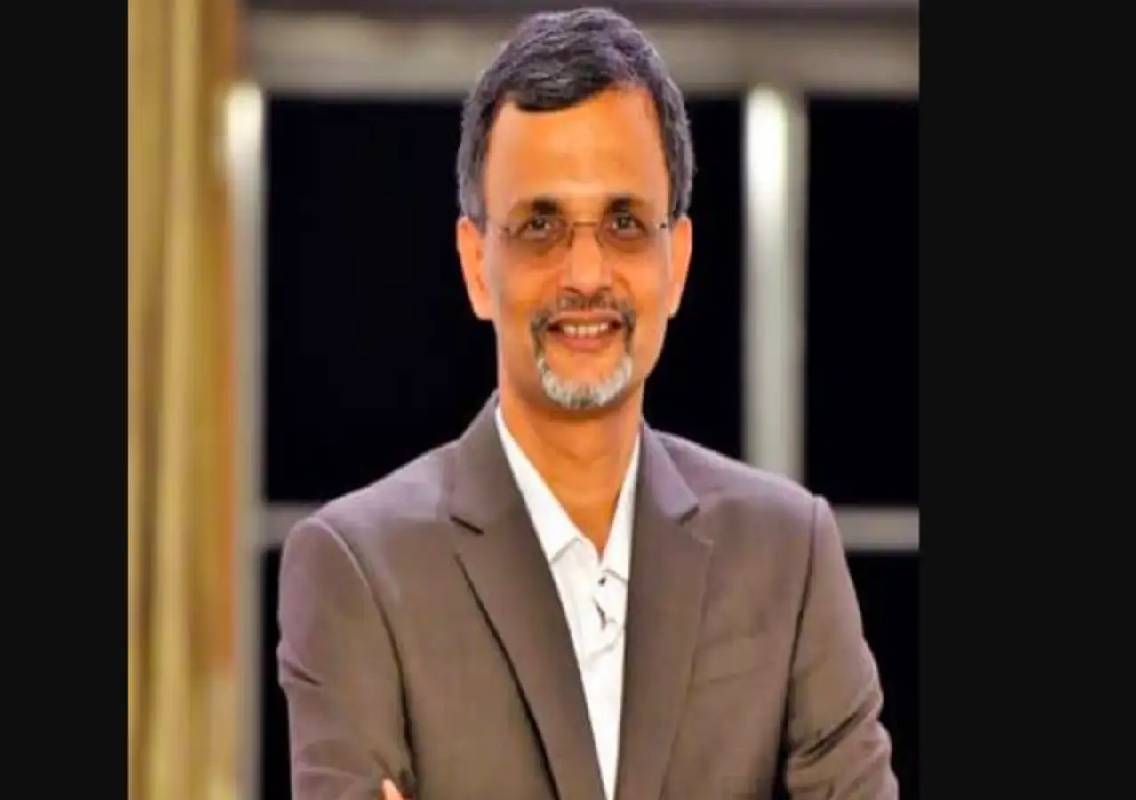


New Delhi: India does not use changes in GDP methodology or revisions to base years to artificially inflate economic growth figures, Chief Economic Advisor (CEA) V Anantha Nageswaran has said, defending the credibility and transparency of the country’s statistical system.
Speaking in an interview with ANI, Nageswaran stressed that GDP estimation is inherently an approximation in every economy and that India follows internationally accepted statistical standards while compiling its national income data.
GDP is an estimate in every country
Addressing concerns over India’s GDP calculations, Nageswaran said no nation can claim to measure economic output with complete precision.
“GDP is an estimate. No country can pretend that they have an accurate way of measuring GDP,” he said, emphasising that economic data collection and estimation involve accepted statistical methodologies across the world.
According to the CEA, India’s statistical framework is designed to produce reliable and credible figures rather than numbers that support a particular narrative or policy objective.
GDP rebasing shows transparency, says CEA
Nageswaran cited India’s recent GDP rebasing exercise as an example of transparency rather than an attempt to inflate growth figures.
He pointed out that if the government had intended to boost output numbers through methodological changes, it could have reported a higher GDP figure following the revision. Instead, the revised estimates resulted in a lower economic output figure than some observers had anticipated.
Referring to the revision, he said India was among the few countries where methodological changes did not lead to a higher headline GDP number.
“So we are not trying to use any of these methodological changes to bump up our numbers,” he said.
The CEA added that India’s statistical agencies adhere to globally recognised standards and continue to refine methodologies to improve the accuracy and reliability of economic data.
Internationally accepted methods followed
Defending India’s data collection process, Nageswaran said the country follows internationally accepted statistical practices when calculating GDP and other economic indicators.
He noted that criticism from international observers has generally focused on methodological debates rather than allegations of deliberate manipulation or unreliability in the data.
“We produce reliable statistics. We follow internationally accepted methods and we don’t use the GDP methodological revisions to bump up numbers artificially,” he said.
The remarks come amid periodic discussions among economists and analysts regarding GDP measurement techniques and revisions to national income estimates.
Health is key to sustaining economic growth
Beyond GDP measurement, Nageswaran also highlighted what he described as a more significant long-term challenge for India: declining public health outcomes driven by sedentary lifestyles and rising obesity levels.
He warned that India’s concern should not only be about “ageing before getting rich” but also about “becoming unhealthier before getting rich”.
The CEA said physical and mental well-being are increasingly being recognised as essential drivers of economic productivity and growth.
Productivity linked to physical and mental well-being
Nageswaran noted that recent editions of the Economic Survey have consistently emphasised the importance of health in supporting India’s growth aspirations.
He explained that economic growth is ultimately linked to labour productivity, which depends on both physical fitness and mental health.
“If you look at the last three Economic Surveys, we have written about the importance of physical health and mental health also in determining our growth rate. Because what is growth? It is coming from productivity. How can labour be productive if it is not mentally and physically healthy?” he said.
According to the CEA, improving health outcomes will be critical for India to fully benefit from its demographic dividend and sustain long-term economic expansion.
Focus on reliable data and sustainable growth
Nageswaran’s remarks underline the government’s position that India’s economic statistics are compiled using transparent and globally accepted methodologies. At the same time, he highlighted the growing importance of health and wellness as factors that could significantly influence the country’s future growth trajectory.
As India continues to pursue higher levels of economic development, policymakers are increasingly focusing on both statistical credibility and human capital development to support sustainable growth.