









New Delhi: India has signalled that it may reconsider tariff concessions granted to the United Kingdom on products such as Scotch whisky if London does not address New Delhi’s concerns over proposed restrictions on steel imports. The development comes ahead of fresh bilateral trade discussions between the two countries, adding a layer of uncertainty to the implementation of their recently concluded free trade agreement (FTA).
According to an Indian government official, the ball is now in the UK’s court regarding the issue. The official indicated that if Britain proceeds with measures that adversely impact Indian steel exports, India may reassess the concessions it has already offered under the trade pact.
Trade deal faces fresh hurdles
The India-UK free trade agreement, signed in May last year and expected to be implemented this year, was initially seen as a significant milestone in strengthening economic ties between the world’s fifth- and sixth-largest economies. However, the proposed steel curbs by the UK have emerged as a major sticking point.
Britain is reportedly considering reducing import quotas and increasing tariffs on steel products to safeguard its domestic industry. India has expressed concerns that such measures would limit market access for its steel exporters and undermine the spirit of the trade agreement.
An Indian trade official stated that if the UK does not honour the broader framework of the agreement, including fair treatment of Indian exports, New Delhi retains the option to revisit tariff concessions offered in good faith.
High-level talks scheduled
The issue is expected to feature prominently in upcoming bilateral discussions. Britain’s Trade Secretary Peter Kyle is scheduled to visit India for talks with Commerce Minister Piyush Goyal. The meeting is aimed at ironing out differences and ensuring smooth implementation of the FTA.
In a statement ahead of the visit, Kyle described the agreement as a “win-win” deal that would unlock massive opportunities for both countries. He emphasised the importance of collaboration to ensure that businesses and consumers begin to benefit from the agreement at the earliest.
However, the UK has maintained that steel-related measures are not directly linked to the FTA implementation discussions. A British official clarified that steel is not part of the ongoing negotiations concerning the trade pact.
Tariff cuts on Scotch whisky under scrutiny
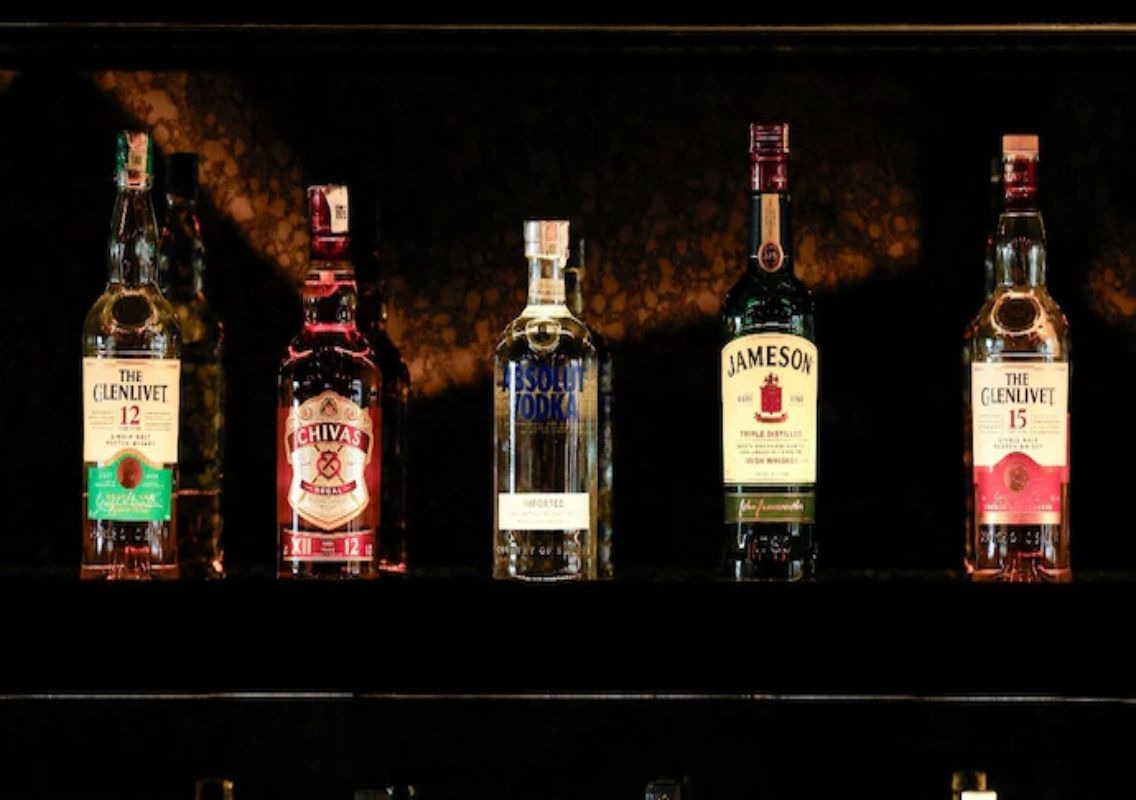
One of the key provisions of the agreement involves significant tariff reductions on Scotch whisky imports into India. Under the deal, India agreed to cut import duties from 150 per cent to 75 per cent initially, with a further reduction to 40 per cent over a period of 10 years.
These concessions were expected to boost exports of Scotch whisky to India, one of the fastest-growing markets for premium alcoholic beverages. However, India’s latest stance indicates that these benefits could be reconsidered if broader trade concerns remain unresolved.
The potential rollback of such concessions would not only impact the UK’s whisky industry but could also send a signal regarding India’s willingness to recalibrate trade commitments in response to perceived imbalances.
Wider trade implications
The India-UK trade agreement covers a wide range of sectors, including textiles, automobiles, alcoholic beverages and services. It aims to reduce tariffs, improve market access and create new opportunities for businesses in both countries.
Both sides have projected that the deal could boost bilateral trade by an additional £25.5 billion (approximately USD 34 billion) by 2040. However, emerging disagreements such as the steel issue could delay or dilute the expected gains.
India is not alone in raising concerns over Britain’s proposed steel measures. Several other countries, including Brazil, Turkey, Japan, South Korea, Switzerland and Australia, have reportedly voiced similar objections at the World Trade Organization (WTO).
Concerns over market access
Indian officials argue that the UK’s plan to impose tariff-free quotas combined with higher duties on certain steel imports would create uncertainty for exporters. This could disrupt supply chains and reduce the competitiveness of Indian steel products in the UK market.
The timing of these concerns is particularly significant, as both countries are in the process of finalising the operational aspects of the trade agreement. Any perception of restrictive measures could affect investor confidence and slow down trade momentum.
Way forward
Experts believe that the outcome of the upcoming talks between India and the UK will be crucial in determining the future trajectory of their trade relationship. Resolving the steel dispute amicably could pave the way for smoother implementation of the FTA and stronger economic cooperation.
On the other hand, failure to address these concerns could lead to retaliatory measures and a reassessment of negotiated concessions, potentially impacting multiple sectors.
In conclusion, while the India-UK free trade agreement holds significant promise for boosting bilateral trade and investment, emerging challenges such as the steel import issue highlight the complexities of international trade negotiations. Both sides will need to adopt a balanced and pragmatic approach to ensure that mutual benefits are preserved and long-term economic ties remain strong.