







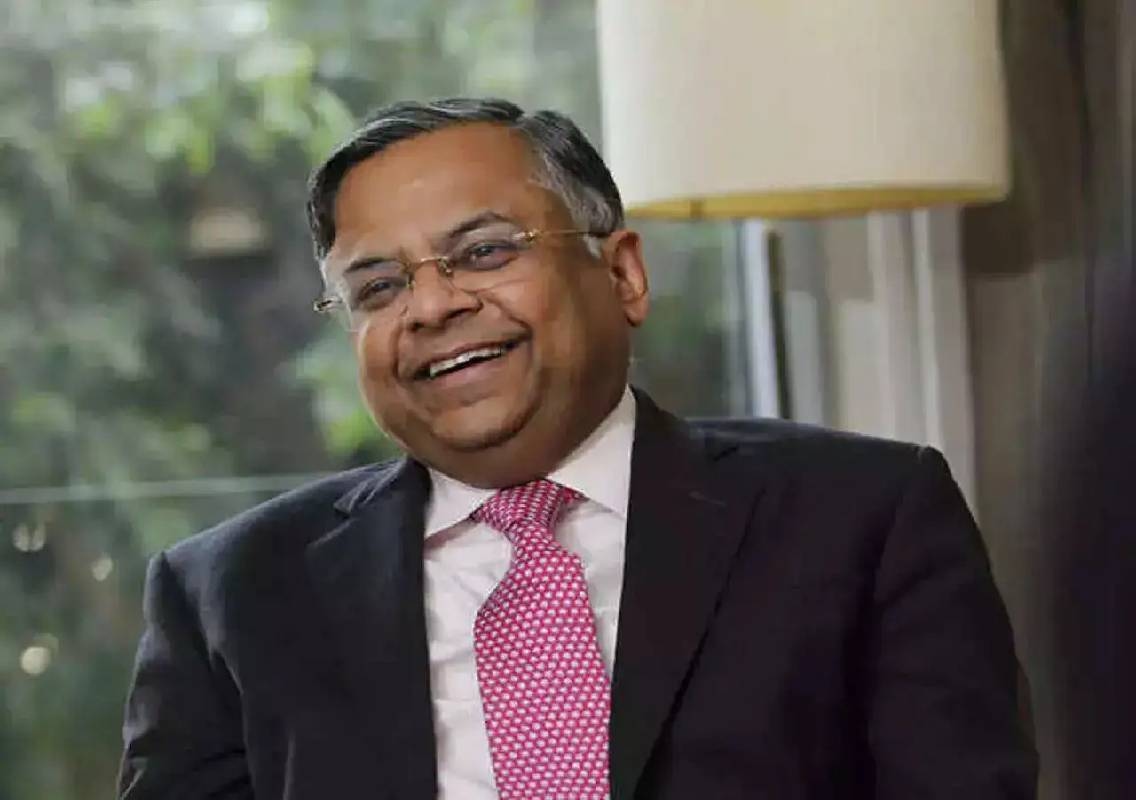


Mumbai: India continues to stand out as a bright spot in the global economy despite rising geopolitical tensions and economic uncertainties across the world, according to Tata Consumer Products Chairman N Chandrasekaran. Addressing shareholders at the 63rd Annual General Meeting of Tata Consumer Products, Chandrasekaran highlighted India’s strong economic fundamentals and growing consumer-driven economy as key factors supporting sustained growth.
His remarks come at a time when businesses worldwide are navigating geopolitical realignments, supply chain disruptions, inflationary pressures and rapid technological changes driven by artificial intelligence.
Global economy faces multiple challenges
Speaking at the AGM, Chandrasekaran said the global economic landscape is undergoing significant transformation. Factors such as geopolitical conflicts, changing trade dynamics, energy transition initiatives and technological advancements are reshaping business operations worldwide.
According to him, the year began with optimism following major developments, including progress in trade negotiations between India and the European Union and efforts towards an interim trade agreement between India and the United States.
However, concerns over slowing economic growth and inflation resurfaced after tensions escalated in West Asia, creating fresh uncertainty in global markets.
He noted that businesses are increasingly focusing on resilience, business continuity and trust-based decision-making rather than solely pursuing operational efficiency.
India continues to outperform major economies
Despite global headwinds, Chandrasekaran said India remains the fastest-growing major economy in the world. He attributed the country’s growth trajectory to several structural advantages, including its favourable demographics, expanding infrastructure and rising consumer aspirations.
According to him, India’s young population, growing urbanisation and increasing digital adoption continue to create strong opportunities across sectors. Investments in both physical and digital infrastructure have improved connectivity and enhanced economic activity across the country.
He added that domestic consumption remains one of the strongest pillars of India’s economic growth story, helping the country maintain momentum even during periods of global uncertainty.
Consumer behaviour undergoing rapid transformation
Chandrasekaran also highlighted significant shifts in consumer behaviour and retail patterns. He observed that changing lifestyles and evolving preferences are transforming the way Indians shop, consume products and interact with brands.
The rapid growth of digital commerce and quick commerce platforms is reshaping the retail landscape. Consumers are increasingly demanding convenience, faster delivery and personalised experiences.
He said companies that successfully combine innovation, consumer-centric strategies and efficient execution are likely to benefit the most from these changing market dynamics.
The emergence of new retail formats and increasing penetration of online platforms have created fresh opportunities for businesses to expand their reach and engage with consumers more effectively.
Tata Consumer Products reports strong performance
Discussing the company’s performance, Chandrasekaran said Tata Consumer Products is well-positioned to capitalise on these evolving trends.
He noted that the company delivered strong growth during the financial year 2025-26. Consolidated revenue increased by 15 per cent to Rs 20,290 crore, while constant currency growth stood at approximately 12 per cent.
The performance reflects the company’s efforts to strengthen its portfolio, expand distribution networks and adapt to changing consumer preferences across markets.
AI and technology reshaping business
Artificial intelligence remains one of the most transformative developments affecting businesses globally. Chandrasekaran said companies are increasingly leveraging technology to improve productivity, enhance customer experiences and create new business opportunities.
He emphasised that organisations need to remain agile and adaptable as technological innovation continues to accelerate. Businesses that successfully integrate AI and digital capabilities into their operations are likely to gain a competitive advantage in the years ahead.
Conclusion
As geopolitical tensions and economic uncertainties continue to influence global markets, India remains one of the strongest growth engines among major economies. According to N Chandrasekaran, the country’s demographic advantages, infrastructure expansion, rising consumption and digital transformation provide a solid foundation for long-term growth. While global challenges persist, India’s economic resilience continues to offer opportunities for businesses and investors alike.