







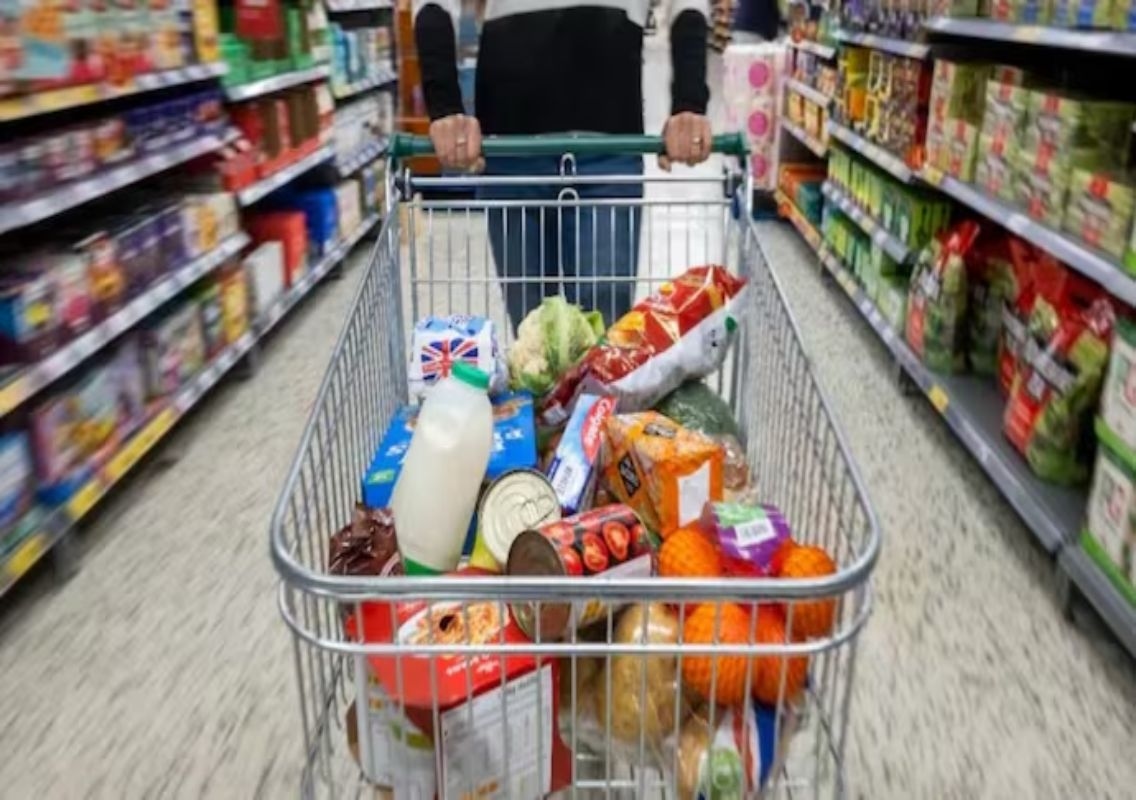


New Delhi: India’s retail inflation rose to 4.45 per cent in July 2026, up from 4.38 per cent in June, as food prices remained firm and continued to put pressure on household budgets. The latest data was released by the Ministry of Statistics and Programme Implementation (MoSPI) on Wednesday.
The July inflation figure is provisional and is based on the new Consumer Price Index (CPI) series, which uses 2024 as the base year.
While the overall increase was modest, the data points to continued pressure in food prices, particularly for rural households. Food inflation, measured through the Consumer Food Price Index (CFPI), increased to 5.52 per cent in July, compared with 5.32 per cent in June.
Rural inflation was also significantly higher than urban inflation during the month, highlighting the uneven impact of rising prices across different parts of the country.
Food inflation rises to 5.52 per cent
Food prices remained one of the biggest contributors to inflation in July.
The food inflation rate increased from 5.32 per cent in June to 5.52 per cent in July. The increase was more pronounced in rural India, where food inflation stood at 5.79 per cent, compared with 5.05 per cent in urban areas.
The difference is significant because food accounts for a relatively large share of household expenditure, particularly among rural consumers.
The July data also showed considerable variation among individual food items.
Some vegetables became cheaper compared with the same period last year. Potato prices, for instance, declined by 16.56 per cent year-on-year. Lady’s finger, peas and tomatoes also recorded annual price declines.
However, these declines were offset by sharp increases in the prices of several other food items.
Ginger prices jumped 83.62 per cent year-on-year, while garlic prices increased by 35.36 per cent. Onion prices were also considerably higher, rising 22.54 per cent compared with July last year.
The contrasting movements indicate that food inflation is not uniform across categories. Consumers may therefore experience very different price pressures depending on the food products they purchase regularly.
Rural inflation remains higher than urban inflation
One of the key features of the July inflation data was the continued gap between rural and urban price pressures.
Rural retail inflation stood at 4.84 per cent, while urban inflation was significantly lower at 3.96 per cent.
This means rural consumers experienced inflation nearly 0.9 percentage point higher than their urban counterparts.
Food prices are particularly important in determining this difference because food typically represents a larger proportion of household consumption in rural areas.
Higher food inflation can therefore have a more immediate effect on rural household budgets, particularly when essential vegetables and other frequently purchased items become more expensive.
The data suggests that although India’s headline inflation remains relatively moderate, the experience of inflation differs considerably depending on where households live and what they spend their money on.
Silver jewellery prices more than double
Food was not the only category that recorded sharp price movements in July.
The CPI data showed a particularly large increase in the price of silver jewellery, which rose 109.84 per cent year-on-year.
Gold, diamond and platinum jewellery prices also recorded substantial increases, with jewellery prices for these categories rising by 32.98 per cent.
The sharp rise in precious metal prices has become increasingly visible in India’s inflation data.
Precious metals have seen strong price movements, which have subsequently affected the miscellaneous goods and services component of the CPI.
While jewellery purchases are not comparable with everyday food expenses in terms of frequency, sharp increases in their prices can still have a noticeable impact on the overall inflation calculation.
Services inflation remains elevated in some areas
Inflation was also relatively high in selected services and miscellaneous categories.
Inflation in restaurants and accommodation services stood at 7.72 per cent in July.
Personal care, social protection and miscellaneous goods and services recorded inflation of 14.77 per cent, reflecting strong price increases across some components of the category.
Housing inflation, by comparison, remained considerably lower at 2.22 per cent.
The variation between these categories highlights why headline CPI inflation does not necessarily reflect the price experience of every household.
A family spending a significant share of its income on food may feel stronger inflation than the headline number suggests, while another household with different spending patterns may experience a smaller increase in its monthly expenses.
What does the 4.45 per cent inflation rate mean?
The rise from 4.38 per cent in June to 4.45 per cent in July represents an increase of only 0.07 percentage point.
On its own, that is a relatively small monthly movement in the annual inflation rate.
However, the composition of inflation is important.
The rise in food inflation suggests that households continue to face pressure from essential items even though headline inflation remains comparatively contained.
For consumers, the cost of vegetables, spices and other frequently purchased products can matter more than changes in categories that are purchased less often.
The July data therefore presents a mixed picture: overall retail inflation has remained moderate, but certain household expenses are rising much faster than the headline figure.
New CPI series uses 2024 as base year
The July inflation data has been calculated using the latest CPI series, with 2024 as the base year.
A base year provides the reference point against which changes in prices are measured.
The updated CPI series is intended to reflect changing consumption patterns in the Indian economy.
As consumption habits evolve, the composition and relative importance of goods and services purchased by households can change. Updating the CPI basket and base year helps the inflation measure remain relevant to current consumption patterns.
The latest July number is provisional and can be subject to revisions as additional data becomes available.
Data collected from markets and villages across India
The government said the July price data was collected from 1,407 urban markets, including online markets, and 1,465 villages across the country.
The reported response rate was 100 per cent for both rural and urban markets.
The broad geographical coverage is intended to ensure that the CPI reflects price movements across different parts of India rather than relying on data from a limited number of locations.
The inclusion of online markets is also relevant as digital commerce becomes a larger part of consumer spending.
What could happen to inflation next?
The trajectory of food prices will remain important for India’s inflation outlook.
Vegetable prices can change rapidly because of weather conditions, crop availability, transportation costs and seasonal factors.
The sharp year-on-year increases recorded for ginger, garlic and onions show how individual food categories can experience significant price movements even when prices of other vegetables are falling.
For households, this means that the headline inflation number needs to be viewed alongside food inflation and individual commodity prices.
The next CPI release will provide further evidence on whether July’s increase was temporary or part of a broader trend.
Conclusion
India’s retail inflation rose marginally to 4.45 per cent in July 2026, from 4.38 per cent in June, while food inflation increased to 5.52 per cent.
The data shows a clear difference between rural and urban consumers, with rural inflation at 4.84 per cent compared with 3.96 per cent in urban India. Food prices remained a key concern, with sharp increases in ginger, garlic and onions offsetting declines in products such as potatoes.
At the same time, precious metal prices and selected services recorded significant increases.
The July figure indicates that overall inflation remains relatively moderate, but the continued pressure on food prices means household budgets, particularly in rural India, could remain under strain. The next CPI inflation data for August 2026 is scheduled to be released on September 14.