







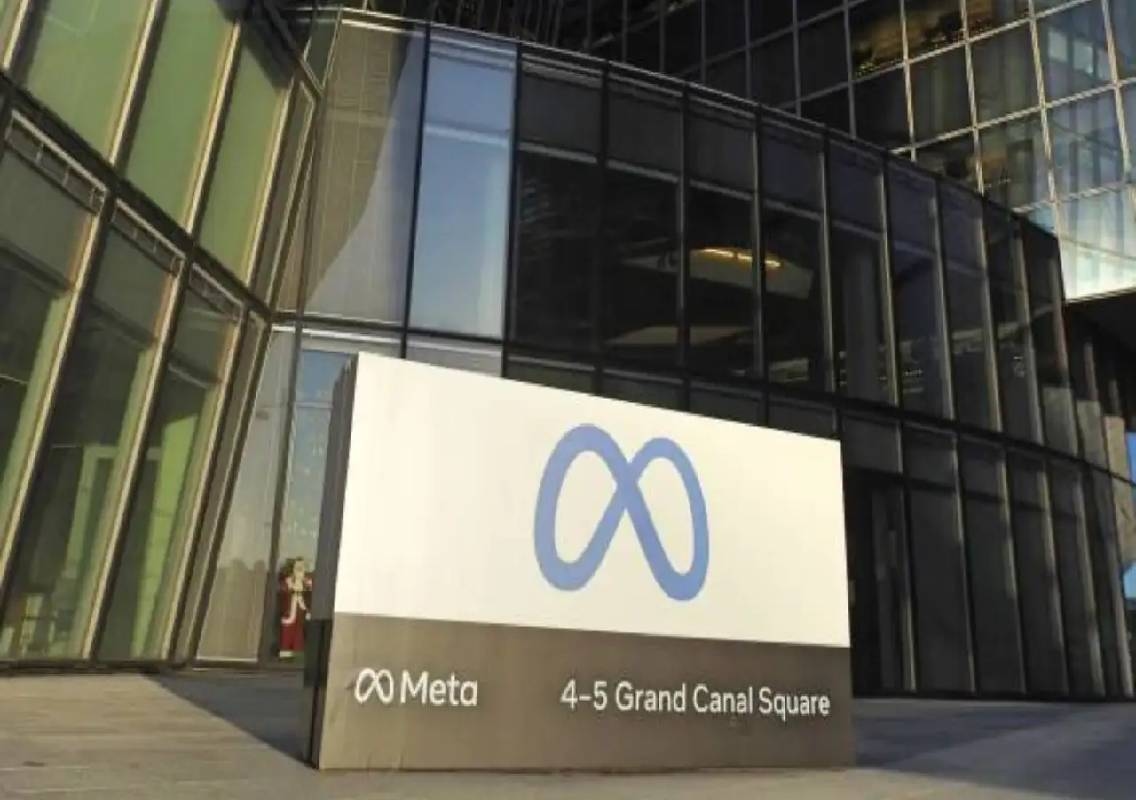


Menlo Park: Global technology giant Meta Platforms is set to undertake a major round of layoffs in 2026, with uncertainty continuing over whether more job cuts will follow after the initial phase begins on May 20. The development has sparked anxiety among employees, even as the company insists that its restructuring is part of a broader strategy to strengthen efficiency and invest heavily in artificial intelligence (AI).
According to company plans, nearly 16,000 employees are expected to be laid off in phases over the coming months. The first round is likely to impact approximately 8,000 workers starting May 20, marking one of the most significant workforce reductions in the company’s recent history.
AI not the primary reason, says CEO
Addressing concerns around the layoffs, Meta CEO Mark Zuckerberg clarified that artificial intelligence is not the primary driver behind the job cuts. However, he acknowledged that AI tools have improved operational efficiency, allowing smaller teams to deliver higher output.
Zuckerberg stated that while AI is reshaping workflows, the layoffs are more closely tied to the company’s broader restructuring goals and its effort to optimise resources. He emphasised that Meta is aligning its workforce with long-term priorities, particularly as it accelerates investments in advanced technologies.
The CEO also addressed concerns about the company’s controversial plan to track employee activity, including keystrokes and mouse movements. He clarified that such monitoring does not involve direct human surveillance. Instead, the data is anonymised and used in an abstract form to improve AI systems and productivity insights.
Massive AI investments drive restructuring
Meta’s restructuring comes at a time when the company is significantly ramping up its investments in AI infrastructure. Earlier this year, Zuckerberg informed investors that Meta plans to spend between $115 billion and $135 billion in 2026, nearly double its expenditure from the previous year.
Additionally, the company has recently indicated that its infrastructure spending could further increase to between $125 billion and $145 billion, primarily to support AI-driven initiatives. This aggressive investment strategy reflects the growing competition in the global tech sector, where companies are racing to dominate the AI landscape.
Despite the layoffs, Meta’s financial performance has remained strong. The company reported a 24 per cent increase in revenue in the fourth quarter of 2025 compared to the same period in the previous year. As of the end of 2025, Meta had a workforce of over 78,000 employees.
HR signals possibility of further layoffs
In a message to employees, Meta’s Chief People Officer Janelle Gale acknowledged the uncertainty surrounding future job cuts. While she refrained from confirming additional layoffs, she made it clear that the company cannot rule them out.
“I’d love to say that there are no more layoffs, but I can’t say something we can’t deliver. While the business is strong, priorities change, competition is fierce, and we will continue to manage our costs responsibly,” Gale said.
Her statement has added to employee concerns, as it indicates that further restructuring may occur depending on business conditions and evolving priorities.
Employee morale and support measures
Gale admitted that the ongoing layoffs have affected employee morale, a challenge the company is actively trying to address. She stated that Meta is working to make the transition process as smooth as possible for those impacted.
As part of its support measures, the company has enhanced benefits for laid-off employees, including extending COBRA healthcare coverage to 18 months—three times the standard duration. This move is aimed at providing additional security to affected workers during the transition period.
However, concerns remain among employees about job stability, especially given the scale of the planned layoffs and the uncertainty surrounding future workforce reductions.
Conclusion: cautious outlook amid transformation
Meta’s latest restructuring highlights the shifting dynamics of the technology industry, where companies are balancing strong financial performance with aggressive investments in emerging technologies like AI. While the company maintains that layoffs are not directly driven by automation, the emphasis on efficiency and cost management suggests a leaner organisational model moving forward.
With HR indicating that further layoffs cannot be ruled out, employees are likely to remain cautious in the coming months. As Meta continues its transformation, the situation underscores the broader trend of workforce realignment across the global tech sector.